An Architectural Guide to a Maximalist Exterior Bold Ideas, Unique Inspiration, and Budget-Friendly Ways to Stand Out

If you’ve ever looked at a perfectly neutral house and thought, beautiful… but a little quiet, you’re already leaning toward maximalism. A maximalist exterior is not about chaos or excess for the sake of it. It’s about personality, storytelling, and creating a home that feels alive from the very first glance. This architectural guide to a maximalist exterior is designed for homeowners, renters, designers, and Pinterest lovers who crave decor inspiration that feels expressive, layered, and unapologetically bold.
In this guide, you’ll learn how maximalist architecture works on the outside of a home, how to balance color, texture, and form, and how to achieve a rich, curated look without blowing your budget. We’ll explore design ideas that blend modern creativity with timeless architectural principles, helping you build an exterior that feels intentional, artistic, and deeply personal. Whether you’re upgrading a small suburban home or dreaming of a dramatic façade makeover, this article will show you how to make maximalism work beautifully and practically.
Understanding Maximalist Exterior Architecture
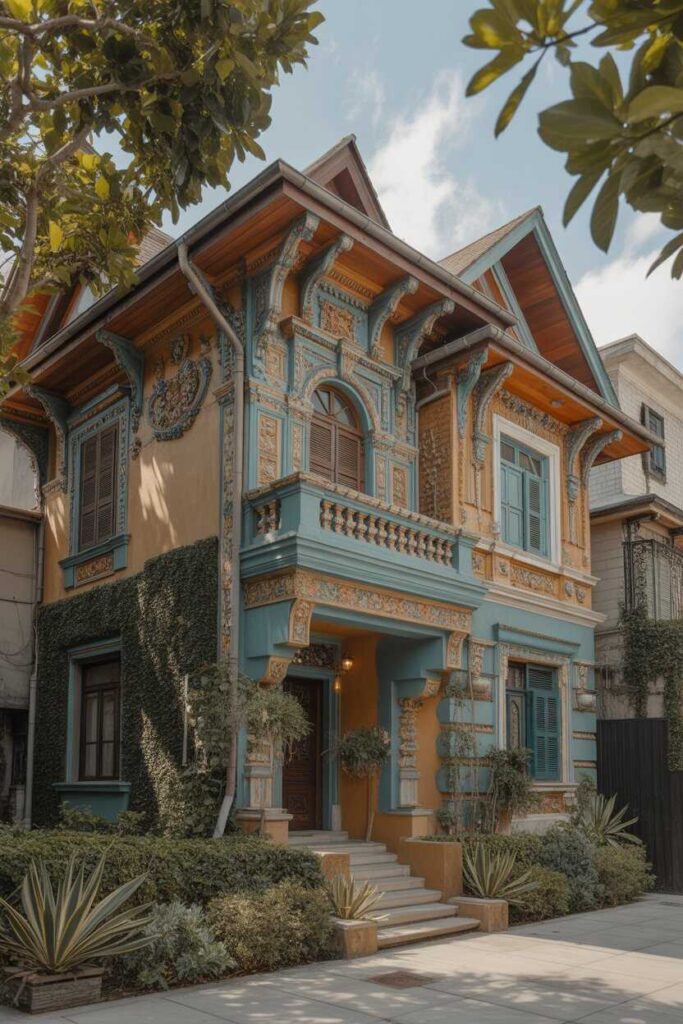
A maximalist exterior starts with a mindset shift. Instead of asking how little you can do, you ask how meaningfully you can layer. Architecturally, maximalism celebrates contrast, ornamentation, mixed materials, and expressive details. It’s not random; it’s composed, much like a gallery wall that feels curated rather than cluttered.
From an architectural perspective, maximalist exteriors often combine traditional and modern elements in surprising ways. A bold paint color might sit next to intricate trim details. Textured stone can be paired with sleek metal accents. These combinations create visual depth, which is one of the defining features of an architectural guide to a maximalist exterior.
The goal is to create a façade that tells a story. Every material, color, and structural detail contributes to a cohesive visual narrative. When done correctly, maximalism feels confident and inviting rather than overwhelming.
Read More About: How to Use Terracotta Texture in Your Home Warm, Budget-Friendly Ideas & Modern Decor Inspiration
Why Maximalist Exteriors Are Trending Right Now
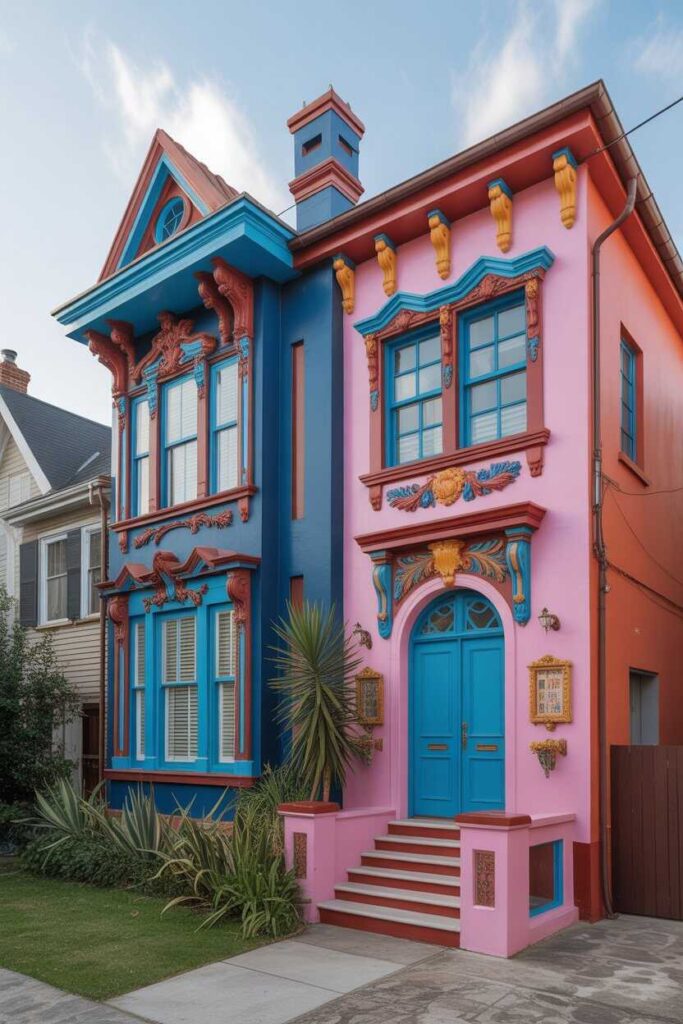
Homeowners are increasingly using exteriors as a form of self-expression. In a world of cookie-cutter builds and neutral palettes, maximalist exteriors stand out instantly on Pinterest feeds and neighborhood streets alike. This trend reflects a larger movement toward authenticity and individuality in design.
A maximalist exterior also photographs beautifully, which is why it performs so well on visual platforms. Rich colors, layered textures, and architectural drama translate effortlessly into scroll-stopping imagery. For people searching for decor inspiration that feels fresh and emotional, maximalism delivers impact at first sight.
From a practical standpoint, maximalist design also allows flexibility. You can add layers over time, update small elements seasonally, and experiment with finishes without needing a full renovation. That makes it both budget-friendly and creatively freeing.
Read More About: Elegant Luxury Master Bedroom Designs That Feel Timeless, Cozy, and Truly Indulgent
Architectural Foundations of a Maximalist Exterior
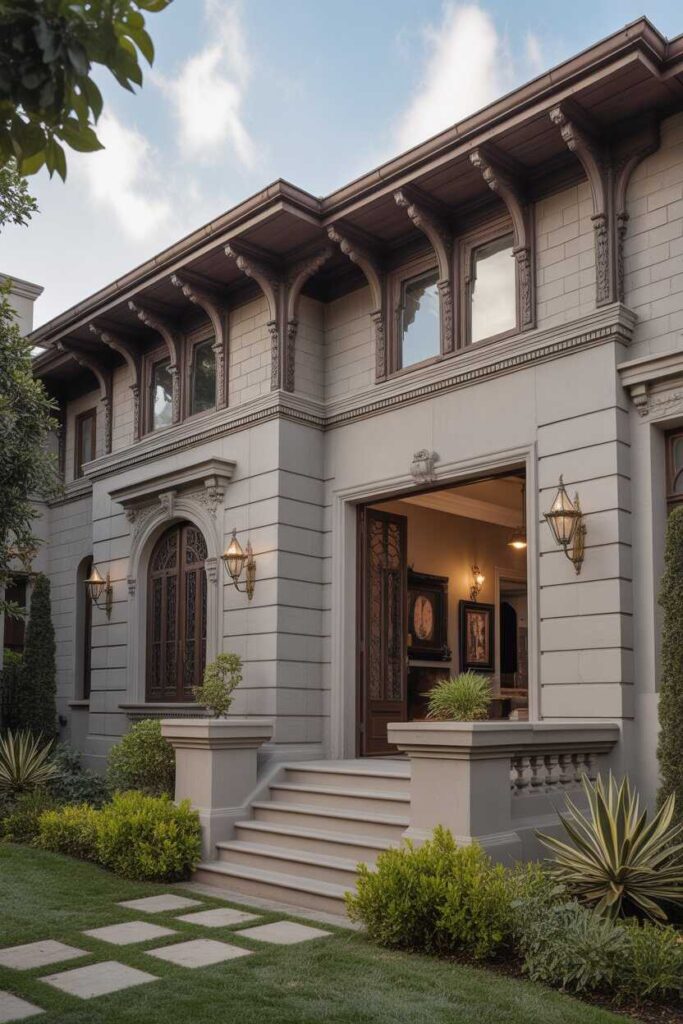
Before adding bold colors or decorative accents, the architectural bones of your home matter. Rooflines, window shapes, entryways, and structural symmetry all play a role in how maximalism is perceived. A strong foundation allows expressive details to shine without visual confusion.
Maximalist exteriors often emphasize architectural rhythm. Repeated shapes, arches, columns, or trim details help anchor the design. These repeating elements act as visual glue, holding together diverse materials and colors.
Balance is essential. Even in maximalism, there is order. Architectural consistency ensures that bold choices feel intentional rather than accidental. This is where thoughtful planning transforms enthusiasm into elegance.
Read More About: Stunning Modern Home Exterior Design Ideas That Instantly Elevate Curb Appeal (Inspiration, Style & Budget-Friendly Touches)
Color Theory for Maximalist Exteriors

Color is the heartbeat of a maximalist exterior. Unlike minimalist homes that rely on subtle shifts, maximalism embraces saturated hues, dramatic contrasts, and layered tones. Deep greens, warm terracottas, inky blues, and unexpected accent colors all have a place here.
The key is intentional pairing. A bold main color sets the mood, while accent shades highlight architectural features like trim, shutters, or doors. This layered approach keeps the exterior visually rich without feeling chaotic. It also enhances curb appeal by drawing the eye across the façade rather than overwhelming it in one glance.
For those hesitant about going bold, starting with smaller elements like doors or window frames is a smart entry point. Over time, additional colors can be introduced to create a fully realized maximalist palette that still feels cohesive and welcoming.
Mixing Materials for Depth and Drama
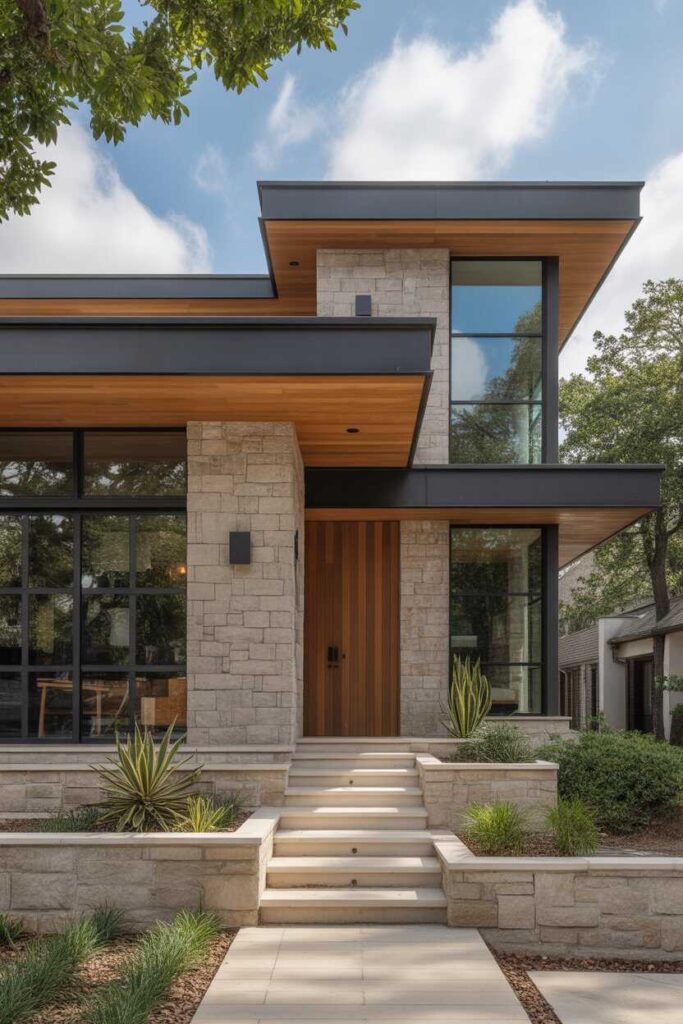
One of the defining features of an architectural guide to a maximalist exterior is material layering. Stone, brick, wood, metal, tile, and stucco can coexist beautifully when combined thoughtfully. Each material adds texture, history, and dimension.
Imagine a façade where warm brick grounds the structure, smooth plaster softens the lines, and metal accents add modern contrast. This interplay creates visual interest that evolves as light changes throughout the day. Texture becomes just as important as color in defining the overall look.
Material mixing is also a practical way to achieve a high-end appearance on a budget. Strategic use of statement materials in focal areas, such as entryways or accent walls, can elevate the entire exterior without requiring a full material overhaul.
Windows, Doors, and Architectural Details That Shine
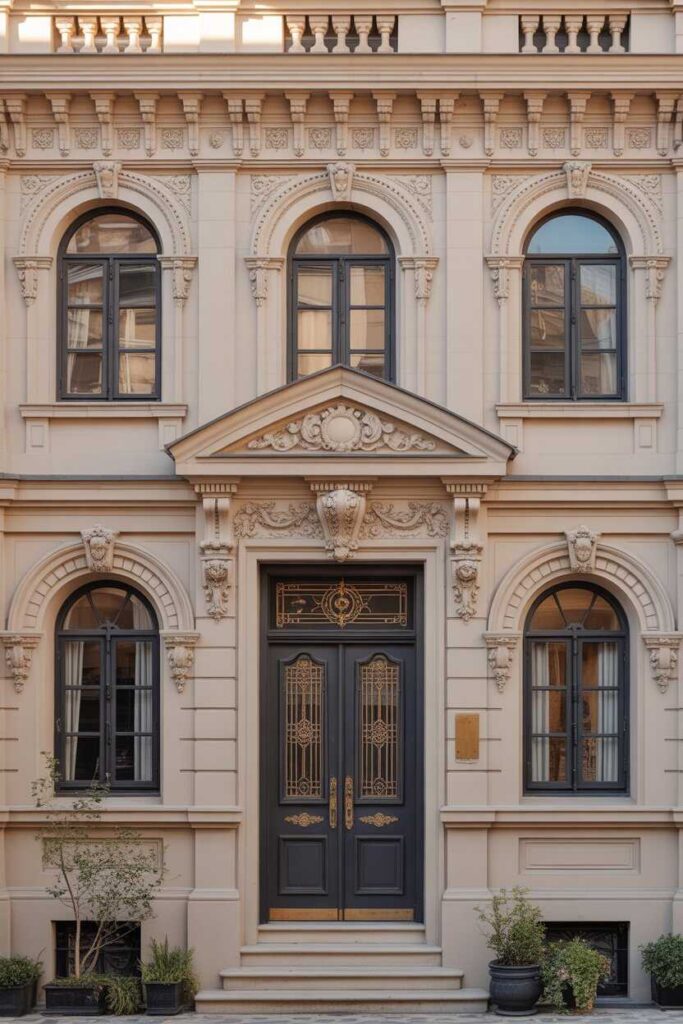
Windows and doors are the jewelry of a maximalist exterior. Their shape, framing, and finish can dramatically influence the home’s personality. Arched windows, oversized frames, decorative grilles, or bold trim colors instantly elevate visual impact.
Entry doors deserve special attention. A richly colored or uniquely textured door acts as a focal point, welcoming guests with confidence. When paired with expressive hardware or architectural surrounds, the entrance becomes a statement rather than a transition.
Architectural details like corbels, moldings, and layered trim add depth and craftsmanship. These elements echo traditional design principles while supporting the expressive nature of maximalism.
Landscaping as an Extension of Maximalist Architecture
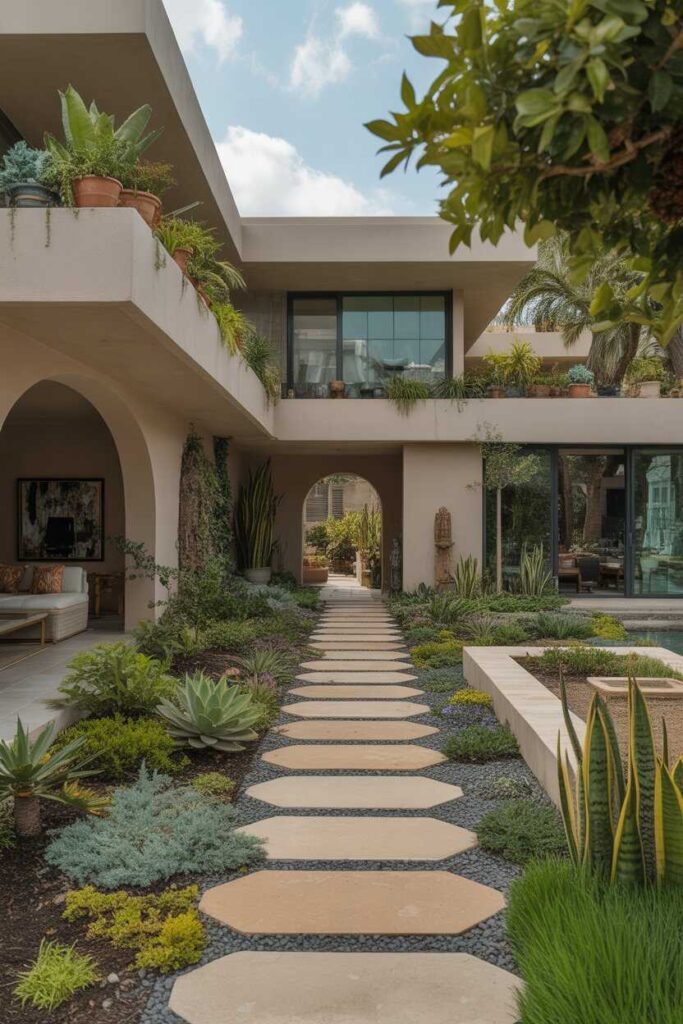
A maximalist exterior doesn’t stop at the walls. Landscaping plays a crucial role in reinforcing the overall aesthetic. Lush greenery, layered plantings, and colorful blooms soften architectural edges while enhancing visual richness.
Instead of uniform hedges, maximalist landscapes favor variety. Different plant heights, textures, and colors create movement and depth. Decorative planters, pathways, and outdoor art further enhance the expressive quality of the space.
Landscaping also offers seasonal flexibility. Changing plants, flowers, or outdoor decor allows your exterior to evolve throughout the year while maintaining its core architectural identity.
Budget-Friendly Ways to Achieve a Maximalist Exterior
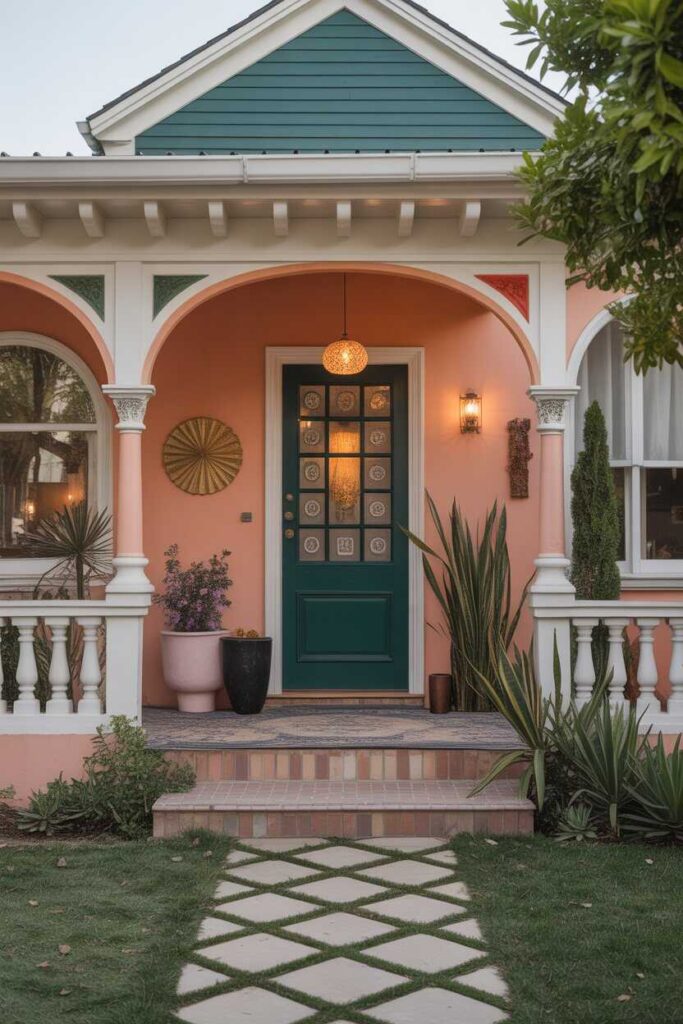
Maximalism doesn’t require unlimited funds. In fact, it thrives on creativity and thoughtful layering. Painting is one of the most cost-effective transformations, instantly refreshing the exterior while setting the tone for the entire design.
Architectural details can often be added incrementally. Trim, shutters, lighting, and hardware upgrades make a noticeable difference without requiring structural changes. DIY projects, such as custom planters or decorative panels, add personality while keeping costs manageable.
Thrifted or reclaimed materials can also play a role. Reclaimed wood, vintage tiles, or repurposed metal elements bring character and sustainability into the design, aligning beauty with mindful choices.
Lighting That Enhances Maximalist Exteriors
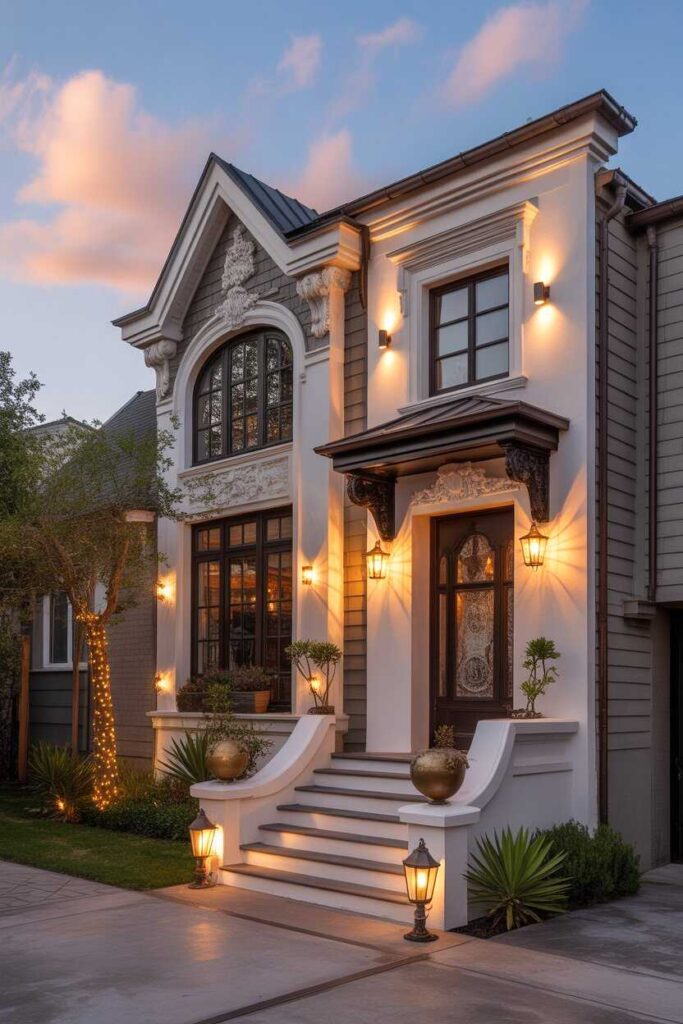
Lighting is an often-overlooked aspect of exterior design, yet it plays a powerful role in maximalism. Layered lighting highlights architectural details, textures, and landscaping features after dark, extending visual interest into the evening.
Warm lighting softens bold colors, while focused fixtures emphasize key features like doors, columns, or textured walls. Decorative lighting elements themselves can act as design features, contributing to the overall aesthetic rather than simply serving a functional purpose.
Thoughtful lighting transforms the exterior into a dynamic, living canvas that changes with time and mood.
Blending Styles Without Losing Cohesion
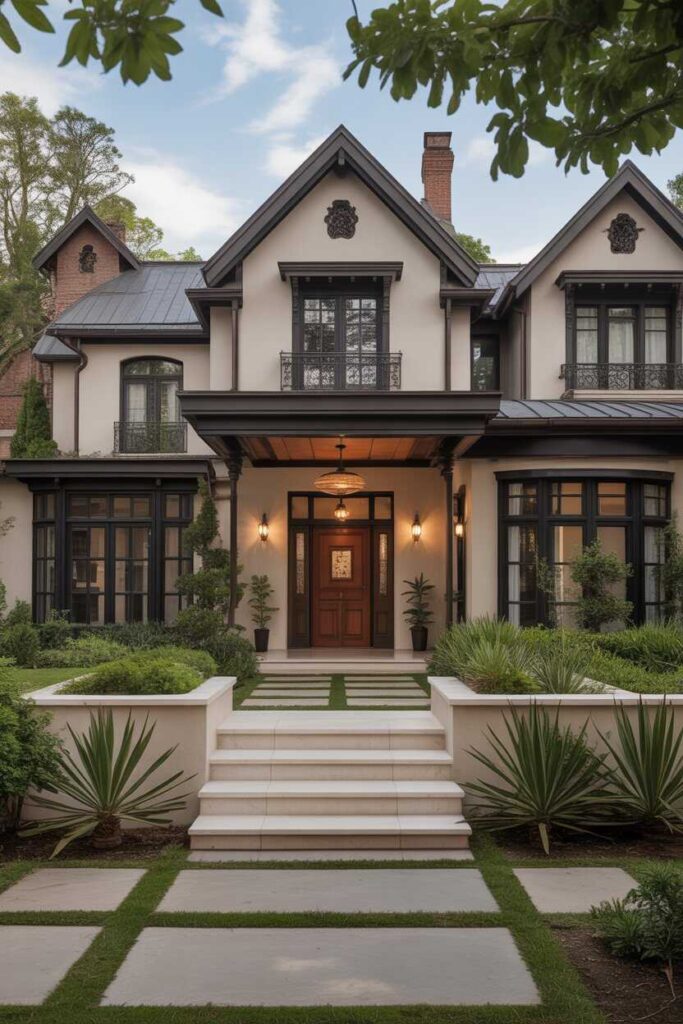
Maximalist exteriors often borrow from multiple design traditions. Elements of farmhouse style, modern geometry, and even hints of classic elegance can coexist harmoniously. The secret lies in repetition and balance.
When blending styles, consistent color palettes or recurring materials help unify the design. This approach ensures that diversity feels curated rather than scattered. The result is an exterior that feels layered, lived-in, and visually engaging.
This flexibility is what makes maximalism so appealing. It allows personal history, cultural influences, and evolving tastes to coexist within one architectural expression.
Making Maximalism Work for Small Homes
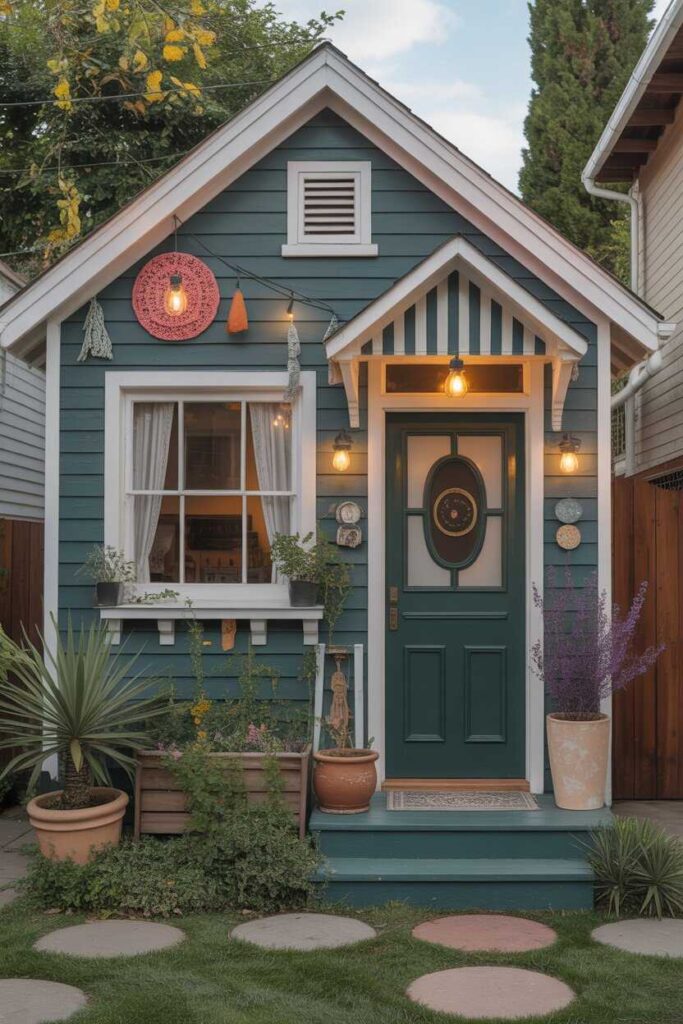
Small homes can benefit immensely from maximalist principles. Strategic color placement, textured accents, and expressive details add presence without increasing square footage. The key is focusing on focal areas rather than overwhelming the entire structure.
A bold door, detailed trim, or layered landscaping draws attention to craftsmanship rather than size. This creates the illusion of depth and richness, proving that maximalism is not about scale but about intention.
For Pinterest readers seeking design ideas that feel impactful yet achievable, small-scale maximalism offers endless creative opportunities.
Sustainability and Longevity in Maximalist Design
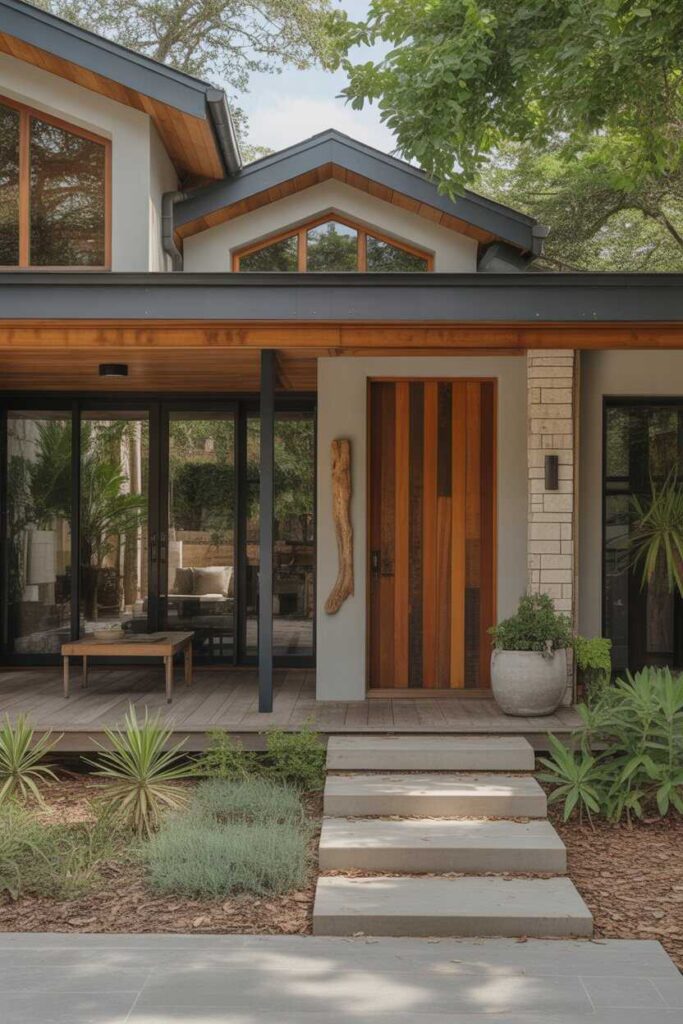
Maximalism doesn’t mean disposable design. In fact, thoughtful maximalist exteriors often prioritize durability and timelessness. High-quality materials, classic architectural forms, and adaptable color schemes ensure the exterior ages gracefully.
Choosing finishes that can be refreshed or reinterpreted over time allows the design to evolve without losing its essence. This long-term perspective makes maximalism both emotionally satisfying and practically sustainable.
Conclusion
A maximalist exterior is more than a design choice; it’s a declaration of individuality. This architectural guide to a maximalist exterior has shown how bold colors, layered materials, expressive details, and thoughtful planning come together to create homes that feel alive and welcoming.
Whether you’re inspired to repaint a door, add architectural trim, or fully embrace layered design, every step brings you closer to an exterior that reflects who you are. Maximalism invites you to experiment, evolve, and enjoy the process of creating a home that stands out with confidence.