
Boho Color Guide Ideas Unique, Budget-Friendly Inspiration for a Warm & Modern Home
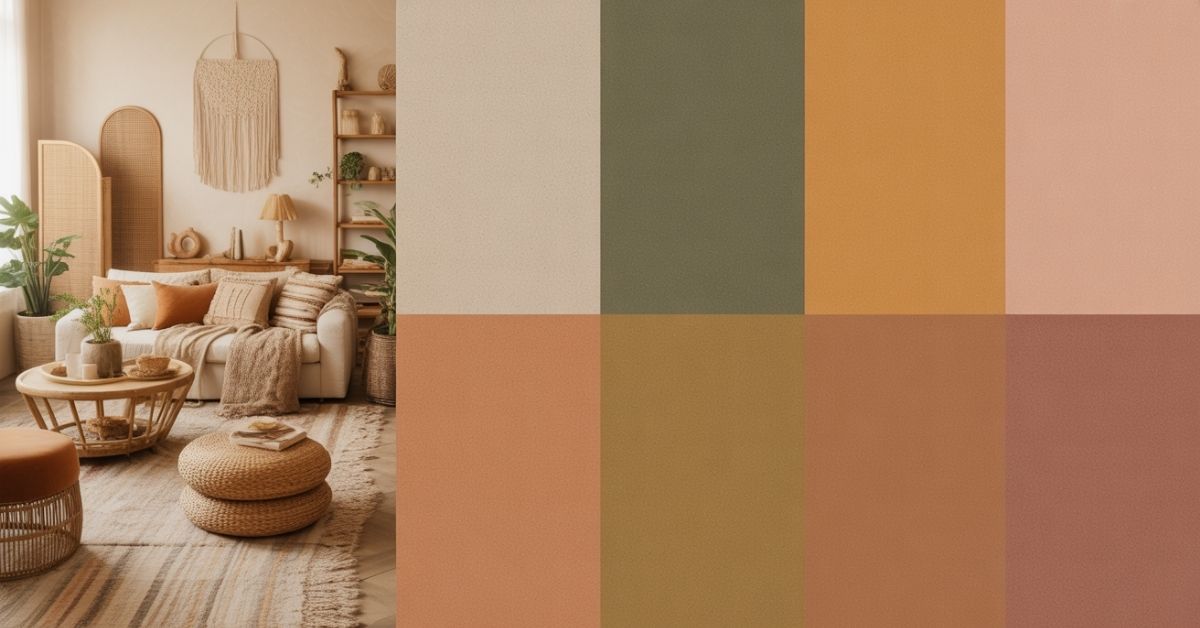
There’s something deeply emotional about boho interiors. They don’t follow rigid rules, they don’t try to look perfect, and they never feel cold or staged. A boho home feels collected, soulful, and full of stories. That magic starts with color. When chosen intentionally, the right boho color guide can turn even the simplest space into a warm, expressive retreat that feels uniquely yours.
If you’ve ever walked into a room and instantly felt comforted, inspired, or creatively energized, chances are the colors were doing most of the work. Boho colors invite you to relax, mix styles, and trust your instincts. In this guide, you’ll learn how to build a boho color palette that feels modern, cozy, and budget-friendly. We’ll explore how to layer warm neutrals, earthy tones, soft pastels, and rich accents without overwhelming your space.
Whether you’re decorating a small apartment, refreshing a bedroom, or updating your entire home, this guide will help you confidently choose colors that reflect your personality while still looking Pinterest-worthy and timeless.
What Makes a Boho Color Palette Special
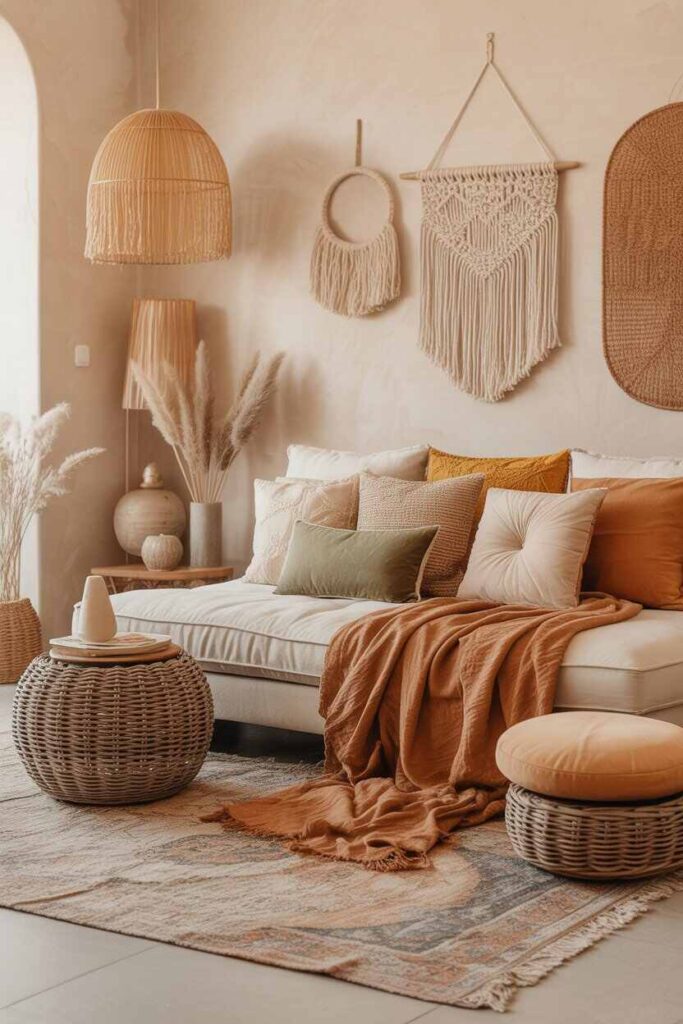
Boho color palettes are rooted in warmth, creativity, and natural inspiration. Unlike minimalist or ultra-modern styles that rely on strict color limits, boho interiors thrive on thoughtful layering. The goal isn’t chaos. It’s balance through variety.
At the heart of boho design is a neutral base that allows richer tones to shine. Warm whites, creamy ivories, soft taupes, and gentle beige shades form the canvas. These colors keep spaces grounded and prevent bold accents from feeling overpowering.
Earthy tones define the boho aesthetic. Terracotta, rust, clay, caramel, and muted browns bring warmth and depth. These shades feel organic and comforting, making rooms feel lived-in rather than styled for a showroom.
Boho palettes also welcome color inspired by global influences. Soft mustard, dusty rose, sage green, muted teal, and faded indigo add character and visual interest. When layered correctly, these hues create a home that feels collected over time, not decorated all at once.
Boho vs. Modern Boho Understanding the Difference
Traditional boho leans eclectic, layered, and richly textured. Modern boho, on the other hand, introduces restraint. It blends boho warmth with clean lines and simplicity, making it perfect for today’s homes.
Modern boho palettes still use earthy tones, but in softer, more muted variations. The color story feels intentional rather than overwhelming. This approach works beautifully in modern interior spaces, small homes, and apartments where balance is essential.
By following a thoughtful boho color guide, you can create a space that feels artistic yet calm, expressive yet cohesive.
Read More About: Coastal Color Guide Ideas Budget-Friendly Inspiration for a Modern, Relaxed Home
Creating the Perfect Neutral Foundation
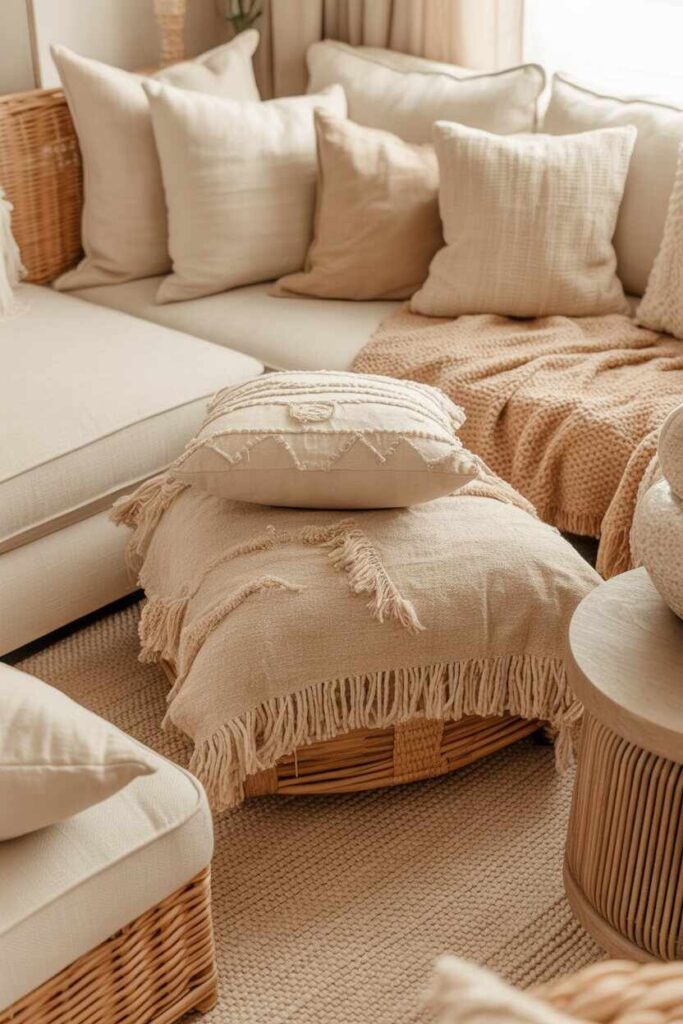
Every boho space begins with a neutral foundation. This base allows layered colors and textures to shine while keeping the room visually calm.
Warm whites are ideal for walls because they reflect light while maintaining softness. Unlike stark white, they add warmth and work beautifully with natural materials. Beige and light taupe tones are perfect for creating a cozy, grounded atmosphere, especially in living rooms and bedrooms.
Neutrals in boho interiors should feel earthy, not cool. Avoid icy grays, which can clash with warm accent colors. Instead, choose shades with subtle yellow, peach, or brown undertones. These tones blend seamlessly with wood furniture, woven textures, and handmade decor.
This neutral base also makes boho design incredibly budget-friendly. It allows you to change accent colors, textiles, and decor over time without repainting your entire home.
Earthy Colors That Define Boho Style
Earthy colors are the soul of boho design. They add warmth, depth, and emotional richness to a space.
Terracotta and rust tones bring instant character. These shades work beautifully in throw pillows, rugs, wall art, and pottery. They pair effortlessly with neutral walls and add a sun-warmed glow to interiors.
Brown tones, especially caramel and cognac, add sophistication and grounding energy. Leather accents, wooden furniture, and woven baskets in these shades enhance the boho aesthetic without feeling heavy.
Muted mustard and golden hues introduce warmth and optimism. Used sparingly, they add brightness without overpowering the space. These tones work particularly well in cozy bedroom designs where comfort is key.
Read More About: Modern Farmhouse Color Guide Ideas & Inspiration Budget-Friendly Ways to Create a Warm, Timeless Home
Soft Colors That Balance Bold Boho Tones
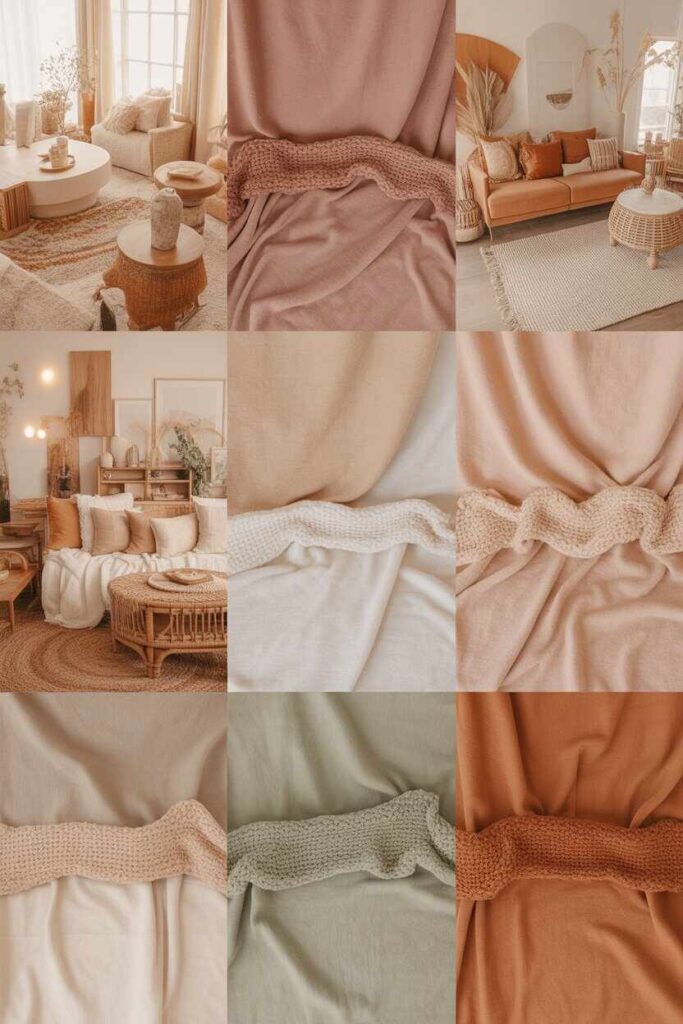
To keep boho interiors from feeling too dark or heavy, softer colors play an important balancing role.
Dusty pinks, blush, and muted peach tones add a gentle, romantic touch. These shades soften earthy palettes and bring warmth without feeling overly feminine. They work beautifully in bedrooms, nurseries, and relaxed living spaces.
Sage green and eucalyptus tones connect the indoors with nature. These colors feel fresh, calming, and timeless. They also blend seamlessly with both earthy and neutral palettes, making them incredibly versatile.
Muted blues, such as faded denim or dusty teal, add depth without overpowering. These shades are ideal for accent pillows, artwork, or statement furniture pieces.
Boho Color Ideas for Every Room
In living rooms, boho colors should encourage comfort and creativity. Neutral walls paired with earthy textiles and warm accent colors create a layered, welcoming space. Mixing patterns and textures adds depth while maintaining harmony through a consistent color palette.
Bedrooms benefit from softer, more calming tones. Warm neutrals combined with blush, sage, or muted rust create a serene environment perfect for rest. Layered bedding, textured throws, and soft lighting enhance the cozy atmosphere and elevate the cozy bedroom feel.
Bathrooms can embrace boho style through subtle color choices. Creamy walls, natural stone textures, and soft green or clay-toned accents create a relaxed, spa-like mood. This approach works especially well in a minimalist bathroom where warmth and simplicity coexist.
Kitchens look beautiful with boho colors when warmth is balanced with function. Neutral cabinets paired with wood accents and earthy decor feel inviting and timeless. Small touches like pottery, open shelving, and plants complete the look.
Read More About: Rustic Color Guide Ideas & Inspiration Budget-Friendly Ways to Create Warm, Modern Rustic Interiors
Mixing Patterns and Colors the Boho Way
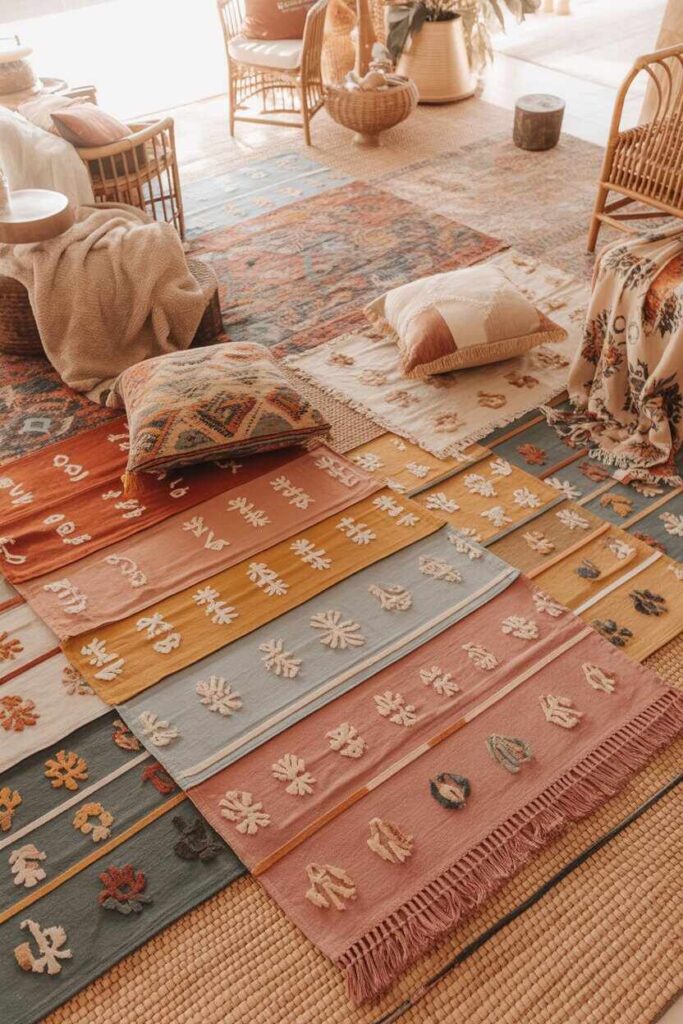
Boho style is known for pattern mixing, but color harmony keeps it from feeling chaotic. The key is repetition. When a color appears in multiple places, it feels intentional rather than random.
Choose two or three main accent colors and repeat them across textiles, artwork, and decor. This creates visual flow and balance. Patterns should share similar undertones so they complement rather than compete with each other.
Natural textures play a big role in calming busy spaces. Linen, cotton, jute, rattan, and wood soften bold patterns and add warmth. These materials are also ideal for DIY home decor projects, making boho style accessible and affordable.
Budget-Friendly Ways to Achieve a Boho Look
One of the best things about boho design is how approachable it is. You don’t need expensive furniture or designer decor to create a beautiful space.
Color updates through textiles are incredibly effective. Swapping pillow covers, adding a new rug, or layering throws can completely transform a room. Thrifted decor, handmade items, and vintage finds add authenticity and character.
Paint is another powerful tool. Even a small accent area or piece of furniture painted in a boho-inspired shade can make a big impact. This flexibility makes boho style perfect for renters and budget-conscious decorators.
By focusing on color harmony and texture rather than perfection, you can create a space that feels rich, layered, and personal.
Why Boho Colors Never Go Out of Style
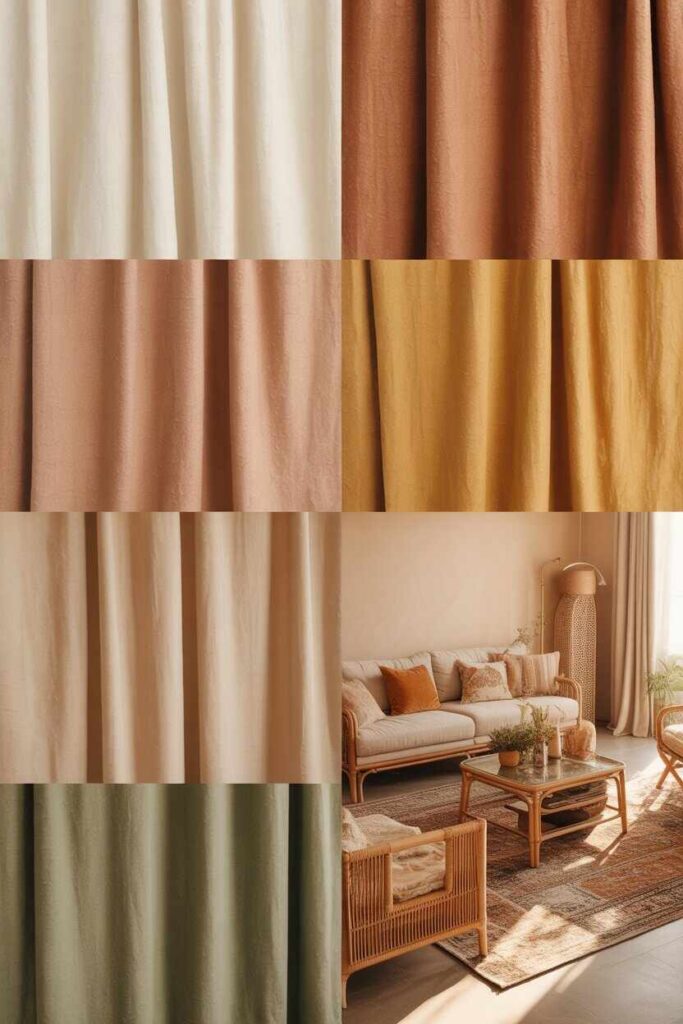
Boho colors endure because they’re rooted in nature and emotion. They feel warm, human, and adaptable. These palettes evolve with your taste and work across different styles, from farmhouse style to modern interiors.
As trends shift, boho colors adjust rather than disappear. Neutrals remain timeless, earthy tones feel grounding, and soft accents keep spaces fresh. This adaptability makes boho palettes a smart long-term choice for any home.
Conclusion
Boho design isn’t about following rules or copying trends. It’s about creating a home that feels like you. With this boho color guide, you now have the foundation to build a space that’s warm, expressive, and effortlessly stylish.
Start with neutrals, layer in earthy tones, balance with soft colors, and let texture do the rest. Whether you’re refreshing one room or redesigning your entire home, boho colors invite creativity and comfort.
Explore more design ideas, gather decor inspiration, and trust your instincts. Your home should feel collected, cozy, and full of life and with the right colors, it absolutely will.


