Brushes for Gouache The Ultimate Guide to Smooth, Stunning Painting Results

Gouache painting has become a favorite among artists, illustrators, and designers for its vibrant matte finish and versatile texture. But the secret to achieving those flawless blends and precise strokes isn’t just in the paint it’s in the brush you use.
Choosing the right brushes for gouache can completely transform your artwork. Whether you’re layering fine details in botanical illustrations or covering large areas in landscape scenes, your brush determines the flow, texture, and overall finish.
This complete guide will help you understand everything about gouache brushes from types, materials, and sizes to cleaning tips and expert recommendations for beginners and professionals alike.
Why Choosing the Right Brush Matters for Gouache
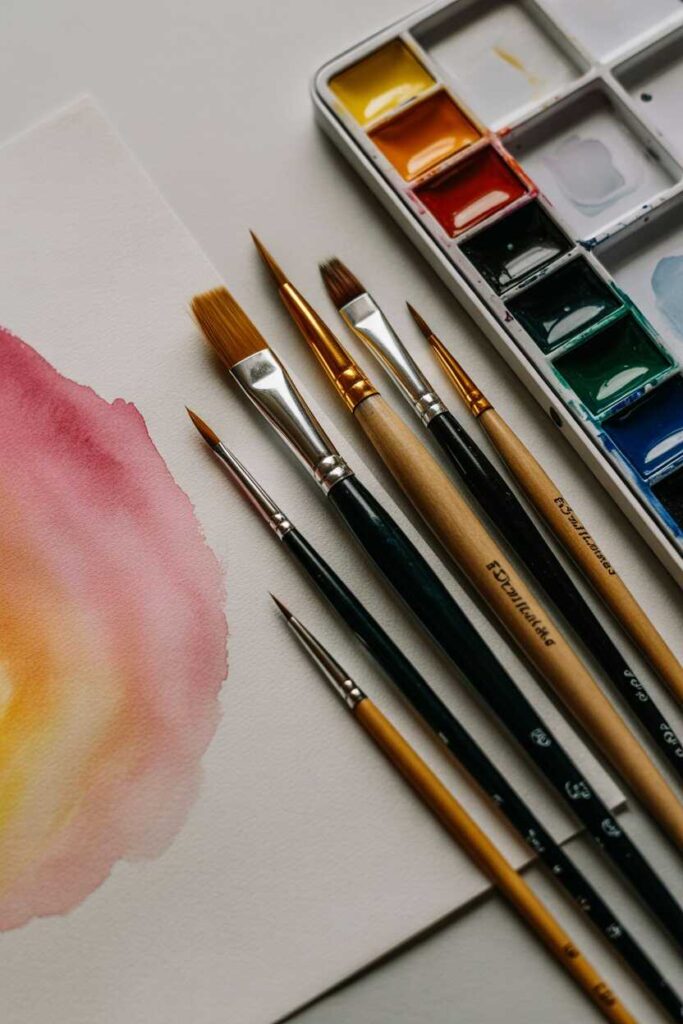
Unlike watercolor or acrylic, gouache has a creamy, opaque texture that behaves differently depending on how much water you add. That means not every brush works equally well.
A good gouache brush should:
- Hold enough water and paint without dripping
- Maintain its shape for clean edges and lines
- Be soft enough for smooth blending
- Be resilient enough to handle the thicker consistency of gouache
Simply put the right brush is your best partner in creating that buttery, velvety finish gouache is known for.
Read More About : Smoker for Beginners Your Ultimate Guide to Mastering BBQ Like a Pro
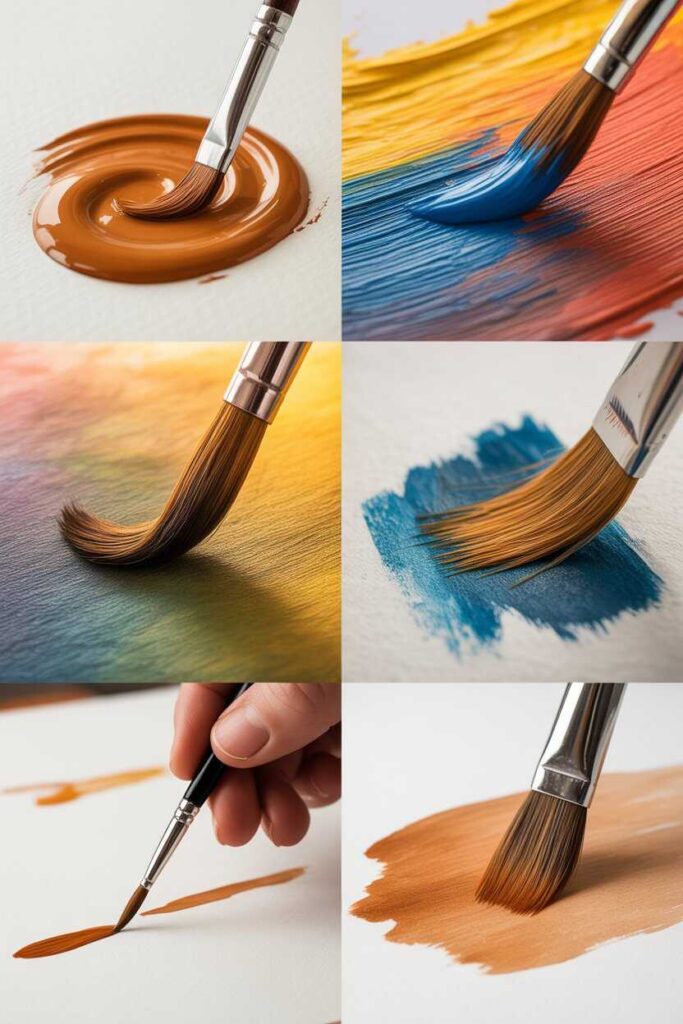
Let’s explore the most popular brush shapes and how each one works with gouache paint.
Round Brushes
Best for: Details, lines, small strokes, and general painting
Round brushes are the go-to for most gouache artists. Their pointed tips let you switch from thin lines to thicker strokes by changing pressure.
Tip: A high-quality round brush with a fine tip gives you precision for everything from sketching outlines to painting tiny highlights.
Recommended Sizes: #2, #4, #6, and #8 for most projects
Flat Brushes
Best for: Large areas, bold strokes, and even color coverage
Flat brushes have a squared edge perfect for layering backgrounds or blocking shapes. They’re also ideal for creating straight lines and crisp edges especially in poster-style or graphic gouache art.
Pro Tip: Use a flat brush for underpainting or when applying the first layer of color for even tone distribution.
Filbert Brushes
Best for: Soft blending and curved strokes
A filbert brush combines the coverage of a flat brush with the flexibility of a round one. The rounded tip allows smoother transitions between colors perfect for blending skies, skin tones, or soft textures.
Pro Tip: Filberts are excellent when working with layered gouache paintings or portraits.
Liner (Rigger) Brushes
Best for: Fine details, outlines, and lettering
These brushes have long, thin bristles that hold a steady flow of paint, perfect for intricate lines, tiny highlights, or signatures.
Tip: Use these brushes with slightly diluted gouache for smooth, clean lines that don’t clump or break.
Fan Brushes
Best for: Texture effects and blending edges
Fan brushes create texture in leaves, fur, or grass, and can be used to soften transitions between colors. While they’re not essential, they’re a fun tool for adding dimension and interest to your artwork.
Natural vs. Synthetic Brushes for Gouache
The debate between natural hair vs. synthetic bristles is common among artists especially when it comes to gouache.
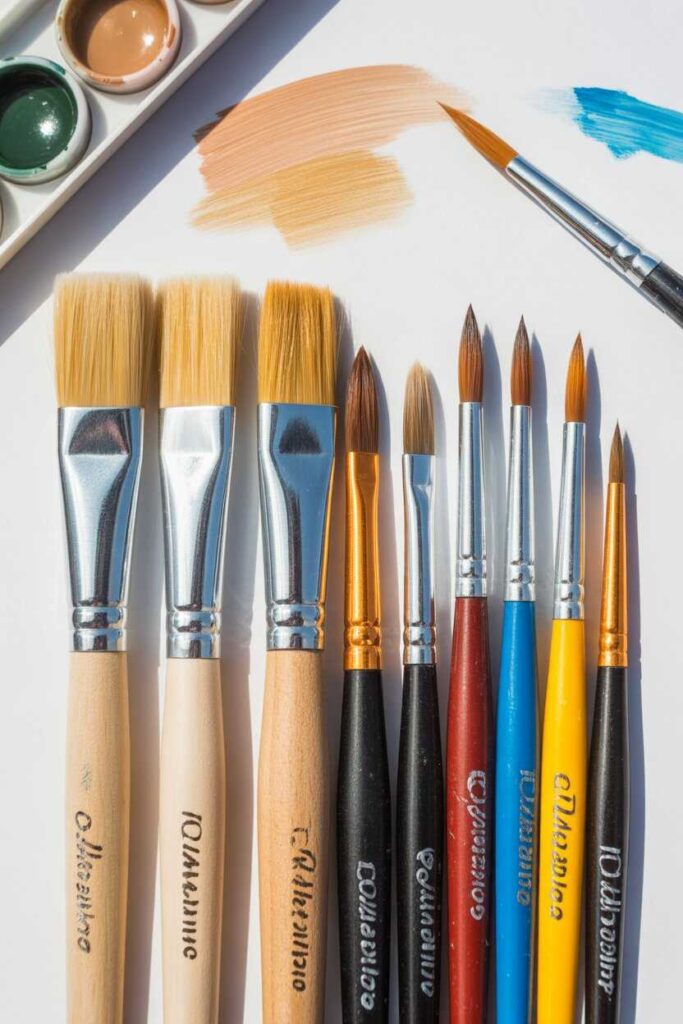
Natural Hair Brushes
Made from animal hair like sable, squirrel, or hog, these brushes hold a large amount of water and paint.
Pros:
- Excellent water retention
- Smooth paint application
- Great for blending
Cons:
- Expensive
- Require delicate care
- Not vegan-friendly
Best For: Experienced artists or professionals seeking premium quality.
Synthetic Brushes
Modern synthetic brushes have improved drastically, offering superb control and affordability. They’re made from nylon or taklon fibers, perfect for gouache’s thick, opaque texture.
Pros:
- Affordable and durable
- Easy to clean
- Retain shape longer
- Vegan and cruelty-free
Cons:
- Slightly less absorbent
Best For: Beginners and everyday gouache artists.
Top Recommended Brushes for Gouache (2025 Update)
Here are some of the most trusted gouache brush brands and sets used by artists around the world.
| Brush/Set Name | Type | Best For | Price Range |
| Princeton Velvetouch Series | Synthetic | Smooth blending | $20–$40 |
| Winsor & Newton Cotman Round Set | Synthetic | Beginner-friendly | $25–$35 |
| Escoda Versatil Brushes | Synthetic | Professional detailing | $30–$50 |
| Da Vinci Maestro Series 10 | Natural Sable | Premium quality | $60–$100 |
| Artify Professional Gouache Set | Mixed | All-purpose painting | $35–$45 |
Each of these brands is well-known for offering a perfect balance of spring, flow, and control the three essential traits for gouache painting.
How to Care for Brushes Used with Gouache
Gouache can be tough on brushes if not cleaned properly. Here’s how to maintain them and extend their lifespan.
Clean Immediately After Use
Gouache dries quickly so never let it sit on the brush. Rinse with lukewarm water right after painting.
Use Gentle Soap
Mild dish soap or brush cleaner works best. Gently swirl your brush in the soap and rinse until the water runs clear.
Reshape the Bristles
After washing, use your fingers to reshape the tip before drying.
Dry Flat
Never store brushes upright when wet it can damage the glue in the ferrule. Lay them flat on a towel.
Store Properly
Once dry, store brushes upright in a container or wrap them in a fabric roll to protect the tips.
Pro Tips for Painting with Gouache Brushes
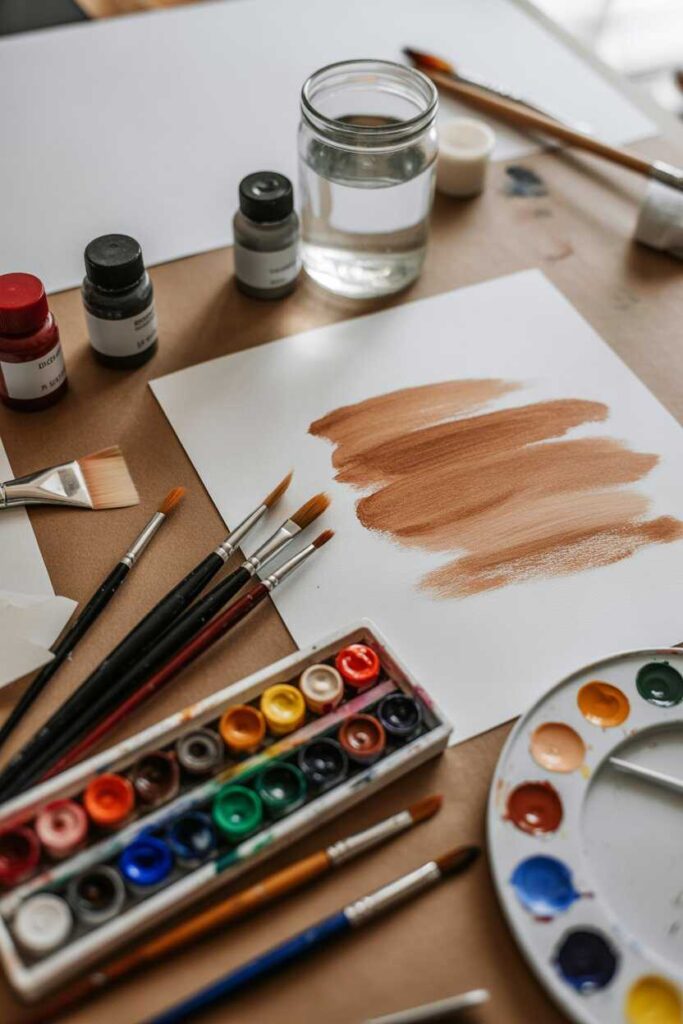
- Control Water Levels: Too much water makes gouache behave like watercolor; too little can make it chalky.
- Use Multiple Brushes: Keep one for mixing, one for details, and one for background work.
- Test First: Always test your stroke on scrap paper to gauge consistency.
- Don’t Overload: Gouache is thick a small amount of paint goes a long way.
- Experiment with Dry Brush: For a textured, vintage feel, try painting with a semi-dry brush.
Brush Sizes for Different Gouache Styles
| Painting Style | Recommended Brush Types | Ideal Sizes |
| Illustration / Mini Art | Round, Liner | #0–#4 |
| Portrait Painting | Filbert, Round | #4–#8 |
| Landscape Art | Flat, Filbert | #6–#12 |
| Abstract / Graphic Design | Flat, Fan, Angular | #8–#14 |
Common Mistakes to Avoid
❌ Using watercolor-only brushes (too soft for gouache)
❌ Letting paint dry on bristles
❌ Mixing synthetic and natural in one session (can affect consistency)
❌ Not cleaning between color changes
❌ Storing brushes tip-down
Remember even the best brush won’t last if you don’t take care of it.
Read More About : Hard Anodized Cookware Sets The Ultimate Blend of Durability, Style & Performance
Affordable Brush Sets for Beginners
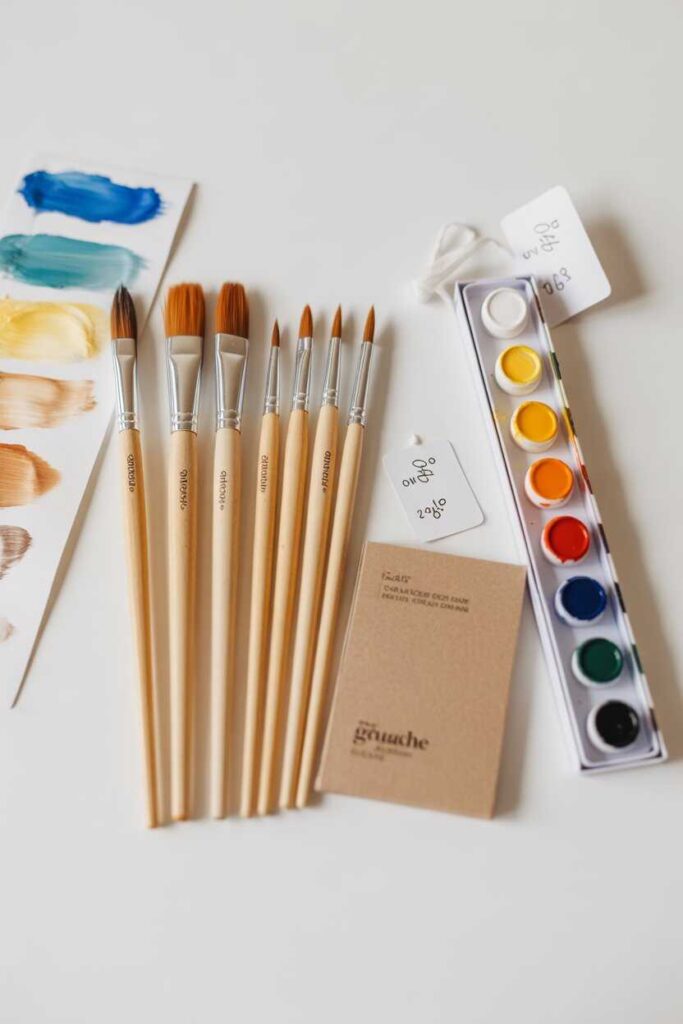
If you’re just starting out and don’t want to spend too much, here are budget-friendly brush sets perfect for gouache beginners:
- MozArt Supplies Essential Brush Set – versatile and affordable
- Royal & Langnickel Zen Series – strong synthetic fibers
- Craftamo Artist Brush Set – soft yet firm for smooth application
Each of these provides a good balance of quality, comfort, and control, ideal for testing different brush types.
Gouache Brush Techniques to Try
Dry Brush
Use minimal water for textured strokes and vintage-style shading.
Layering
Let each layer dry before applying the next for clean, opaque coverage.
Feathering
Blend two colors softly by lightly overlapping wet edges.
Line Work
Use a liner brush for crisp outlines and details.
Practicing these will help you understand how gouache behaves with different brushes improving control and creativity.
FAQs
Can I use watercolor brushes for gouache?
Yes, but only if they’re sturdy. Gouache is thicker, so very soft brushes may lose shape or fray over time.
What’s the best brush type for gouache beginners?
Synthetic round brushes are ideal they’re affordable, easy to control, and versatile for all techniques.
Do I need separate brushes for gouache and watercolor?
Ideally, yes because gouache can clog brush fibers faster than watercolor.
How do I prevent brush marks in gouache?
Work quickly with slightly diluted paint, and use a soft round or filbert brush for smooth blending.
Final Thoughts
Choosing the right brushes for gouache is the first step toward creating stunning, professional-quality artwork. Whether you’re blending dreamy backgrounds, painting tiny details, or experimenting with texture your brush is your magic wand.
Start with a few quality brushes, take good care of them, and let your creativity flow freely. Over time, you’ll find your personal favorites the ones that make your gouache painting truly shine.