
55 Calm Bedroom Ideas Elegant Design Secrets for a Peaceful Stress Free Sanctuary
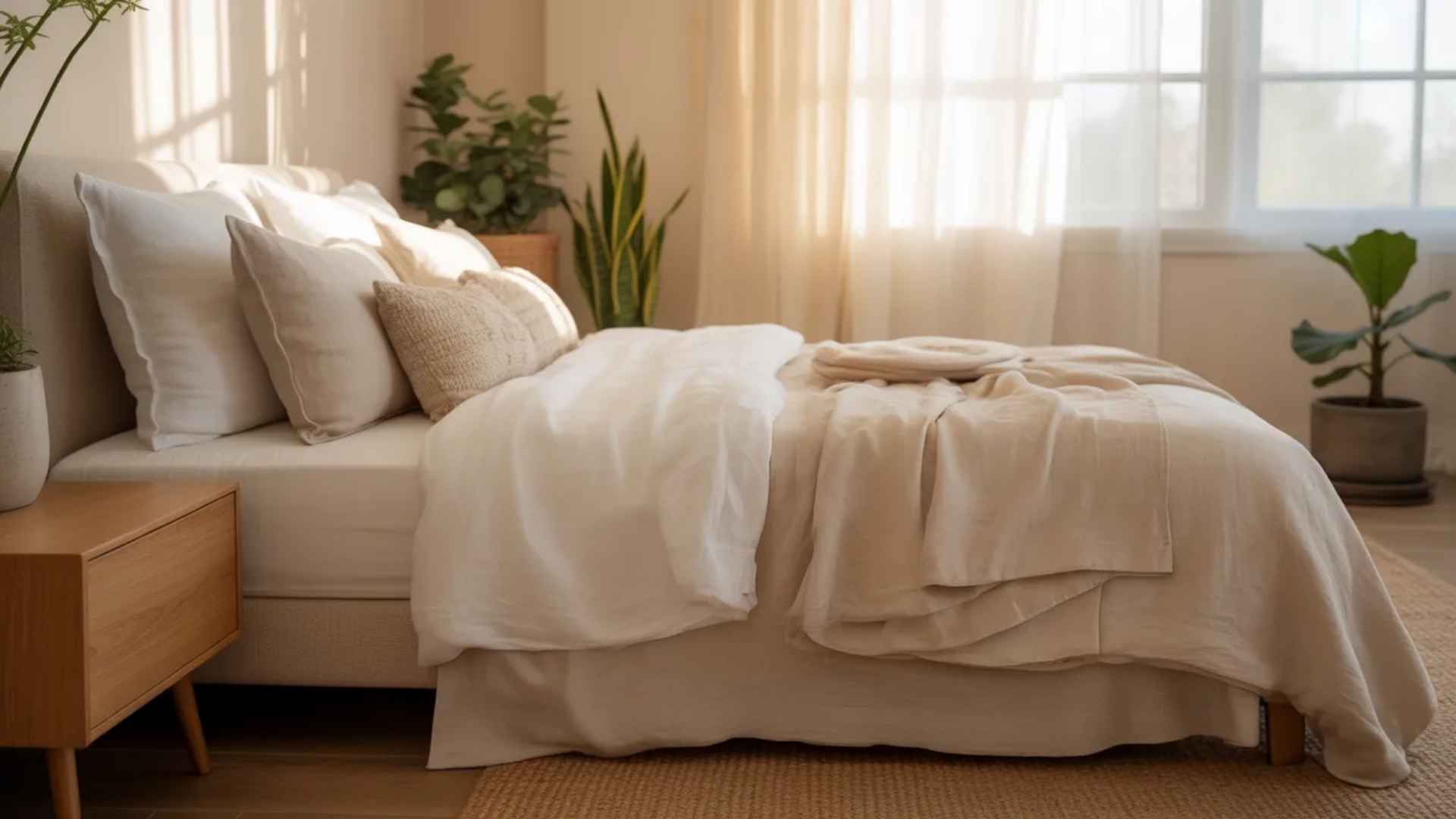
In today’s fast-paced world, the bedroom has evolved far beyond being just a place to sleep. It has become a personal sanctuary, a calming retreat where the mind can unwind, the body can recharge, and daily stress can gently fade away. Interior designers and wellness experts increasingly emphasize the importance of a calm bedroom environment because our surroundings significantly influence mood, sleep quality, and overall well-being.
Modern interior design trends strongly reflect this shift toward tranquility. Calm bedroom ideas are now among the most searched home décor topics because people want their bedrooms to feel peaceful, minimal, and emotionally comforting. From soft neutral color palettes and organic textures to minimalist furniture and warm lighting, a calm bedroom blends aesthetic beauty with psychological comfort.
A truly serene bedroom is not just about muted colors or minimal décor. It is about thoughtful styling, intentional design choices, and creating a sensory experience that promotes relaxation. Designers often focus on harmony, simplicity, and natural elements to cultivate a space that feels balanced and restorative.
Whether you are redesigning your bedroom completely or simply refreshing your décor, the right calm bedroom ideas can transform your space into a luxurious retreat. In this guide, we will explore the latest bedroom design trends, professional styling strategies, color combinations, expert tips, and practical ideas to help you create a peaceful and visually stunning bedroom sanctuary.
Read More About: 50+ Compact Living Room Ideas Smart Layouts Modern Designs Space Saving Furniture
Latest Trends in Calm Bedroom Ideas
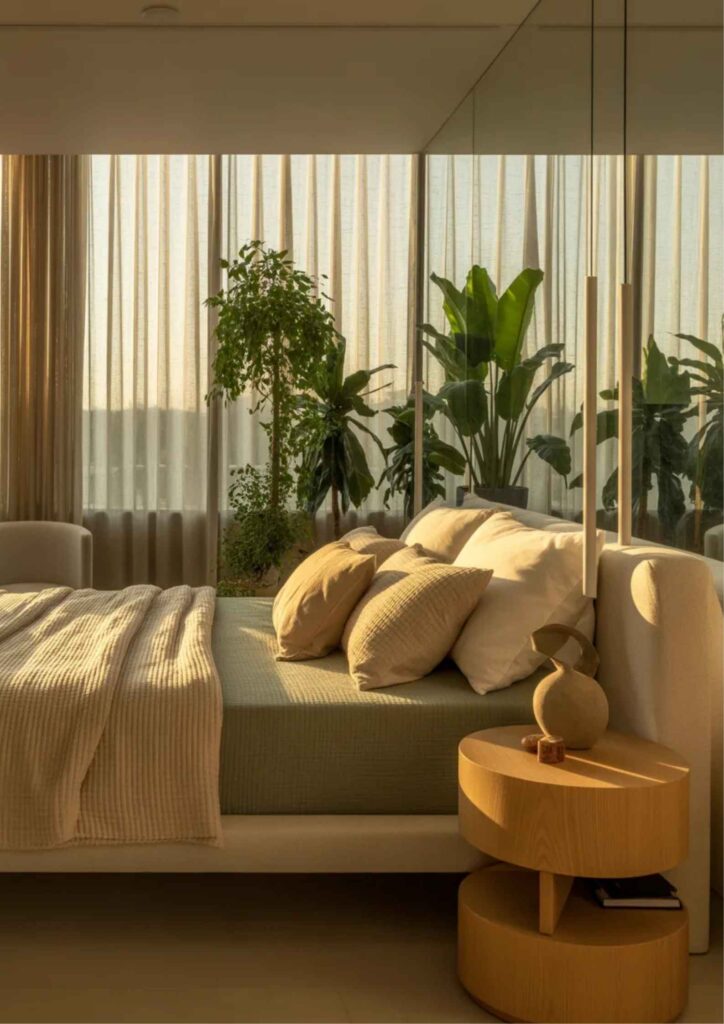
Interior designers across the world are embracing calm bedroom aesthetics that prioritize serenity, simplicity, and emotional comfort. Modern bedroom trends are deeply connected to wellness-focused living, where design choices are made not only for visual appeal but also for mental relaxation.
One of the biggest trends shaping calm bedroom design is soft minimalism. Unlike traditional minimalism, which can sometimes feel cold or sterile, soft minimalism introduces warmth through natural textures, neutral color palettes, and subtle decorative accents. Linen bedding, light wooden furniture, woven rugs, and soft lighting create an environment that feels inviting while maintaining visual simplicity.
Another rising trend is the nature-inspired bedroom concept. Designers are incorporating organic materials such as rattan, bamboo, and natural wood to create an earthy atmosphere. Plants like snake plants, peace lilies, and eucalyptus branches bring freshness into the space and improve indoor air quality while enhancing the calming aesthetic.
The popularity of Japandi-style interiors is also transforming calm bedroom design. Japandi blends Japanese minimalism with Scandinavian warmth. The result is a bedroom that feels clean, uncluttered, and peaceful while still appearing cozy and lived-in. Low platform beds, neutral tones, and handcrafted décor elements define this trend.
Lighting design has also become an important component of modern calm bedrooms. Instead of harsh overhead lighting, designers now prefer layered lighting, including bedside lamps, warm LED strips, wall sconces, and dimmable lights. This layered approach allows the bedroom to shift from bright daytime functionality to soft evening relaxation.
Texture layering is another trend gaining popularity. Calm bedrooms often combine materials like linen bedding, knitted throws, soft cotton curtains, and plush rugs to create visual depth without overwhelming the space. This layered softness contributes to the comforting and serene atmosphere that defines modern calm bedroom ideas.
Best Styles, Ideas, and Design Concepts
Creating a calm bedroom requires selecting a design style that supports relaxation and visual harmony. Several interior styles are particularly effective in creating serene bedroom environments.
Scandinavian Serenity
Scandinavian-inspired bedrooms are widely known for their peaceful aesthetic. This design approach focuses on simplicity, functionality, and light-filled spaces. White or soft gray walls reflect natural light, while wooden furniture adds warmth and balance.
Layering cozy textures such as wool blankets, linen bedding, and soft rugs creates a sense of comfort without cluttering the space. The Scandinavian style works particularly well for smaller bedrooms because its clean lines and light colors make the room feel larger and more open.
Japandi Minimalism
Japandi interiors combine Japanese philosophy with Scandinavian design principles. The result is a calming bedroom that feels balanced and intentional.
Low-profile furniture, neutral tones, and handcrafted décor items create a tranquil atmosphere. In Japandi bedrooms, every object serves a purpose, which reduces visual clutter and encourages mindfulness. Natural materials like wood, stone, and linen dominate the design, reinforcing the connection with nature.
Modern Organic Style
Modern organic bedrooms emphasize natural textures and earthy tones. Designers often use soft beige walls, wooden furniture, clay pottery, and textured fabrics to create a grounded and relaxing environment.
This style is particularly popular among homeowners who want a calm bedroom that feels luxurious yet natural. The organic aesthetic focuses on subtle elegance rather than bold décor.
Hotel-Inspired Calm Bedrooms
Many people draw inspiration from luxury hotels when designing calm bedrooms. Hotel-style bedrooms often feature plush bedding, symmetrical layouts, neutral color schemes, and elegant lighting.
A large upholstered headboard, crisp white sheets, and layered pillows create a refined yet comfortable environment. This style is ideal for those who want their bedroom to feel like a private retreat.
Read More About: Modern Organization Ideas for the Home Smart Storage & Beautiful Living
Seasonal Colors and Combinations
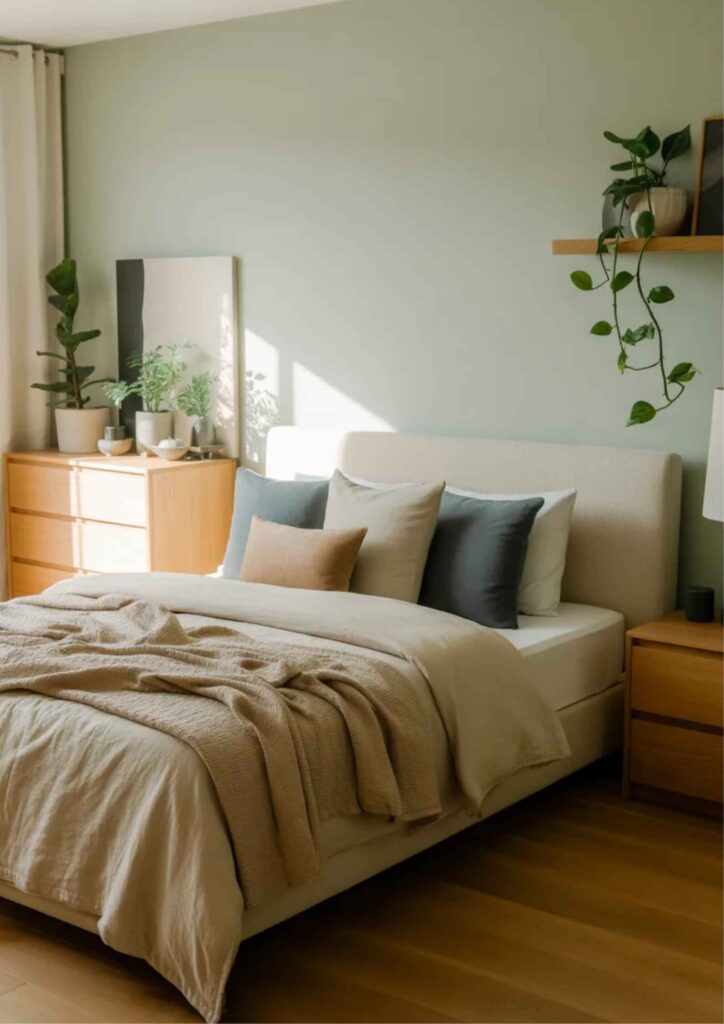
Color plays one of the most important roles in creating a calm bedroom atmosphere. Certain color palettes naturally evoke relaxation and emotional balance.
During spring, soft pastels such as dusty blue, sage green, and warm cream create a refreshing yet calming bedroom aesthetic. These colors reflect renewal and lightness, making the room feel airy and peaceful.
In summer, many designers lean toward warm neutrals like sand beige, light taupe, and soft whites. These colors mimic natural landscapes and promote a relaxed, vacation-like atmosphere.
Autumn bedrooms often feature deeper earthy tones such as warm caramel, muted terracotta, and olive green. These colors add coziness and warmth while maintaining a calming ambiance.
During winter, layered neutral palettes work best. Shades of ivory, soft gray, and warm beige paired with textured fabrics create a comfortable and tranquil winter retreat.
Combining colors thoughtfully is essential. Designers often recommend selecting a primary neutral color and adding one or two accent shades to maintain visual harmony without overwhelming the space.
Step-by-Step Guide to Creating a Calm Bedroom
Transforming a bedroom into a peaceful retreat requires thoughtful planning and intentional design decisions.
The first step is decluttering the space. A calm bedroom should feel open and breathable. Removing unnecessary décor items and organizing storage areas immediately reduces visual noise and stress.
Next, focus on choosing a calming color palette. Neutral colors such as beige, soft gray, ivory, and muted greens are widely known for their relaxing qualities. Painting the walls in these tones creates a soothing foundation for the room.
Furniture selection also plays a crucial role. Opt for simple, clean-lined furniture rather than bulky or heavily decorative pieces. Low-profile beds and streamlined nightstands create a balanced and uncluttered look.
Lighting design should be carefully considered. Installing dimmable lights or warm-toned bulbs allows you to adjust brightness levels depending on the time of day. Soft lighting is particularly important in the evening to encourage relaxation.
Finally, add soft textures and calming décor elements. Linen bedding, plush rugs, woven baskets, and subtle artwork can enhance the serene atmosphere without overwhelming the room.
Styling Ideas for Different Occasions
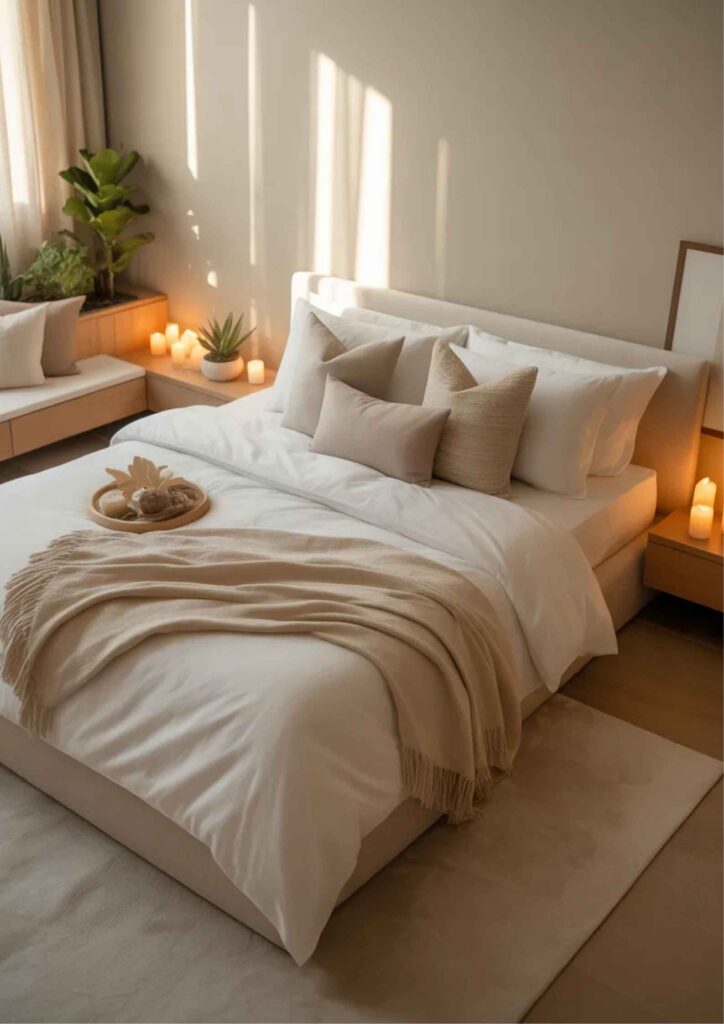
A calm bedroom should remain relaxing while still adapting to everyday life and special moments.
For daily use, focus on maintaining a clean and organized environment. Making the bed every morning, keeping surfaces clutter-free, and using calming scents like lavender or sandalwood can maintain the peaceful atmosphere.
When preparing your bedroom for romantic evenings or special occasions, consider adding warm candlelight, luxurious bedding, and soft background music. These elements transform the room into a cozy and intimate retreat.
During holiday seasons, subtle seasonal décor such as textured blankets, soft lighting, or small decorative accents can refresh the bedroom while maintaining its calm aesthetic.
Celebrity and Social Media Trends
Social media platforms such as Instagram and Pinterest have played a major role in popularizing calm bedroom aesthetics. Influencers often showcase minimalist bedrooms featuring soft color palettes, natural materials, and cozy textures.
Many celebrities have also embraced calm bedroom interiors. Their homes frequently feature neutral-toned bedding, statement headboards, and carefully curated décor that promotes relaxation and comfort.
Interior design influencers emphasize authenticity and simplicity, encouraging followers to prioritize emotional well-being over excessive decoration.
Do’s and Don’ts of Calm Bedroom Design
When designing a calm bedroom, thoughtful choices are essential.
One important rule is to prioritize simplicity. Overdecorating the room can disrupt the peaceful atmosphere. Instead, choose a few meaningful décor pieces that complement the overall aesthetic.
Another key principle is maintaining color harmony. Too many contrasting colors can create visual chaos. Soft and cohesive color palettes help the room feel balanced and restful.
Avoid harsh lighting or overly bright décor elements. Calm bedrooms should feel soothing rather than stimulating.
Common Mistakes to Avoid
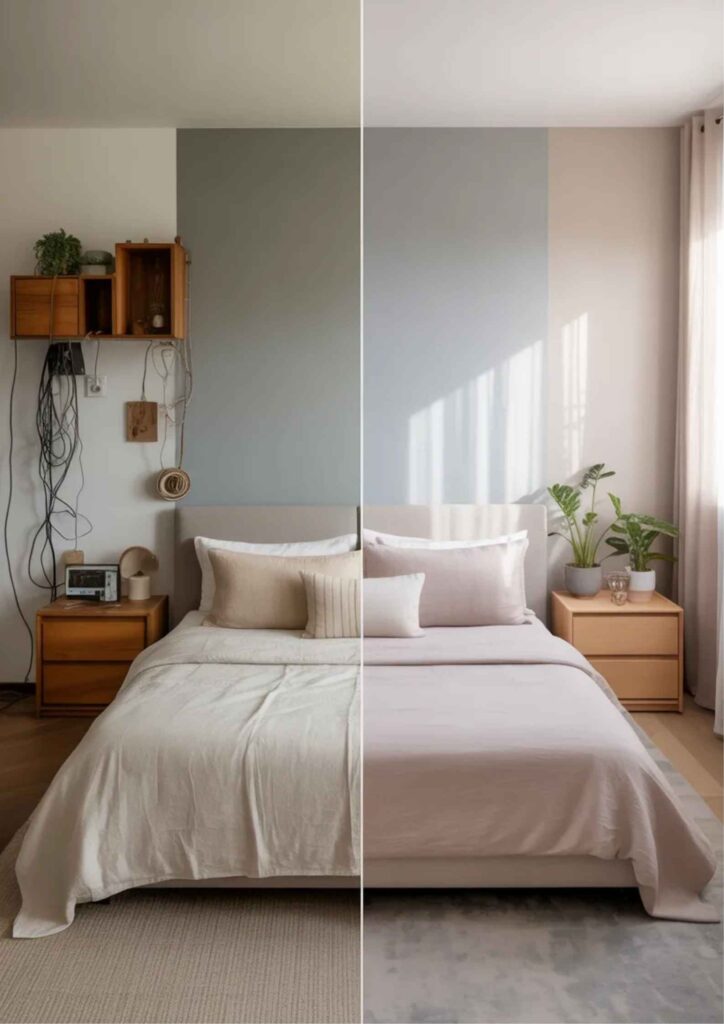
One common mistake in bedroom design is overloading the space with furniture. Large dressers, bulky beds, and unnecessary accessories can make the room feel cramped and overwhelming.
Another mistake is ignoring the importance of texture layering. Even minimalist bedrooms need softness and warmth. Without textured fabrics, the space can appear flat or cold.
Using overly bold colors or busy patterns can also disrupt the calming atmosphere. While accent pieces are welcome, they should remain subtle and balanced.
Budget-Friendly Calm Bedroom Ideas
Creating a peaceful bedroom does not require a large budget. Small changes can significantly improve the atmosphere.
Switching to neutral bedding, adding soft lighting, and incorporating affordable décor items such as woven baskets or cotton curtains can transform the space.
DIY décor projects like framed botanical prints, handmade wall art, or rearranging furniture can also create a fresh and calming environment without spending much money.
Read More About: Queen Comforter Bedroom Set Ideas for a Stylish and Cozy Modern Home
Premium and Luxury Calm Bedroom Ideas
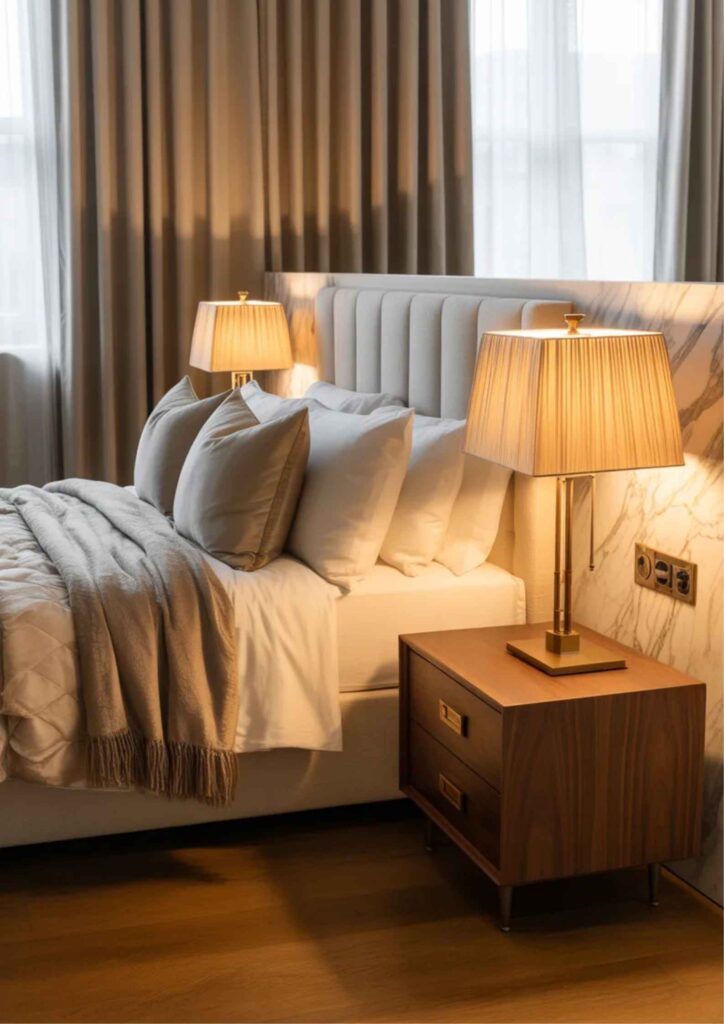
For those seeking a more luxurious bedroom retreat, high-end materials and professional design strategies can elevate the space.
Luxury calm bedrooms often feature custom upholstered headboards, premium linen bedding, marble décor elements, and designer lighting fixtures. These elements create a sophisticated yet relaxing environment.
Interior designers also focus on symmetry and balance when designing luxury bedrooms. Matching nightstands, elegant lamps, and carefully chosen artwork contribute to the polished aesthetic.
How to Maintain and Care for a Calm Bedroom
Maintaining a peaceful bedroom requires regular upkeep and mindful habits.
Keeping surfaces clean and organized helps preserve the uncluttered atmosphere. Washing bedding frequently, airing out the room, and maintaining soft lighting conditions can enhance comfort.
Adding calming scents such as lavender essential oil or natural candles can further reinforce the relaxing environment.
Comparison Table Popular Calm Bedroom Styles
| Style | Color Palette | Best Fo | Maintenance |
| Scandinavian | White, gray, wood tones | Small spaces | Easy |
| Japandi | Beige, taupe, muted brown | Minimalist lovers | Low |
| Modern Organic | Earthy neutrals | Nature-inspired homes | Moderate |
| Hotel Luxury | Ivory, cream, gold accents | Elegant interiors | Moderate |
Expert Tips and Pro Styling Hacks
Professional designers recommend starting with neutral foundations and gradually adding layers of texture and subtle color accents.
Another useful tip is to incorporate natural elements. Plants, wooden décor, and organic fabrics naturally promote relaxation.
Keeping technology minimal in the bedroom can also improve sleep quality and maintain a peaceful atmosphere.
Trend Forecast for the Upcoming Year
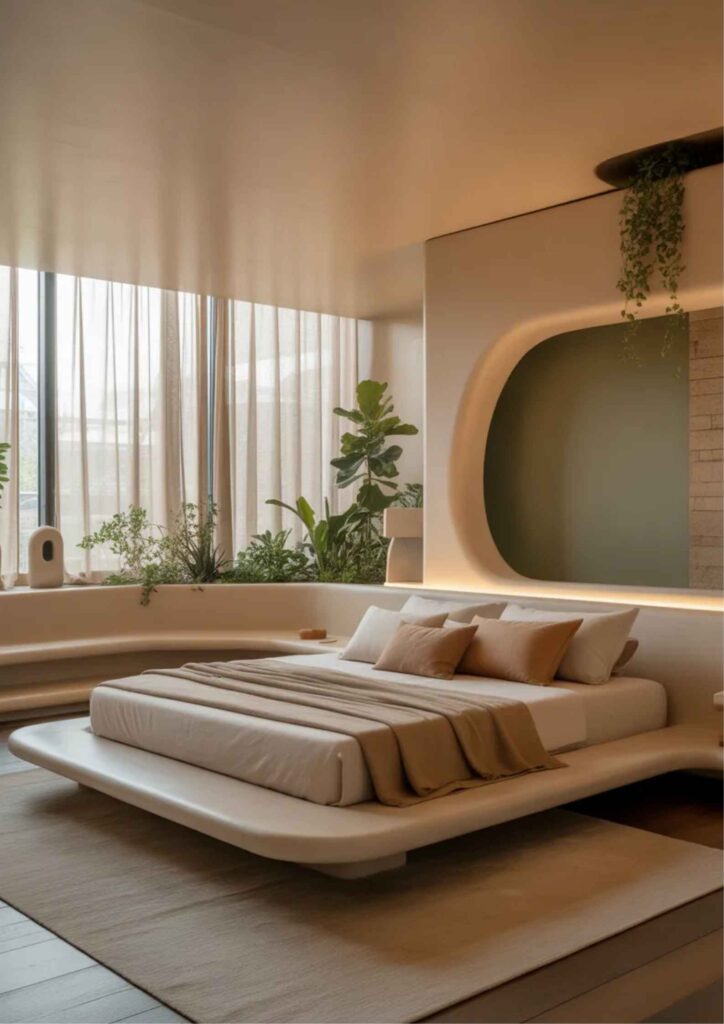
The future of calm bedroom design is moving toward wellness-centered interiors. Designers predict an increase in biophilic design, natural textures, and soothing color palettes.
Smart lighting systems, sustainable materials, and eco-friendly furniture will also become key elements in modern bedroom design.
The focus will continue shifting toward emotional comfort, mindfulness, and creating spaces that support mental well-being.
Conclusion
A calm bedroom is more than just a design trend; it is a lifestyle choice that supports relaxation, wellness, and emotional balance. By carefully selecting soothing colors, natural materials, and minimalist décor elements, you can transform your bedroom into a peaceful retreat that encourages rest and rejuvenation.
Whether you prefer Scandinavian simplicity, Japandi minimalism, or luxurious hotel-inspired interiors, the key is to create harmony between style and comfort. Thoughtful design decisions, soft textures, and balanced lighting can completely change the way your bedroom feels.


