
Coastal Color Guide Ideas Budget-Friendly Inspiration for a Modern, Relaxed Home

There’s something deeply comforting about walking into a home that feels light, calm, and effortlessly welcoming. Coastal interiors have that rare ability to slow you down, soften your thoughts, and make everyday life feel a little more peaceful. You don’t need to live near the ocean or own a beach house to create that feeling. With the right coastal color guide, you can transform any space into a breezy retreat that feels modern, cozy, and beautifully put together.
In this guide, you’ll learn how to use coastal colors in a practical, affordable, and stylish way. We’ll explore how different shades work together, how to apply them room by room, and how to create that relaxed coastal mood without making your home feel themed or outdated. Whether you love modern interior design, subtle farmhouse style, or soft minimalist spaces, this guide will help you confidently choose colors that look fresh, timeless, and Pinterest-worthy.
By the end, you’ll know exactly how to mix neutrals, blues, greens, and warm accents to create a home that feels bright, intentional, and effortlessly coastal.
What Defines a Coastal Color Palette
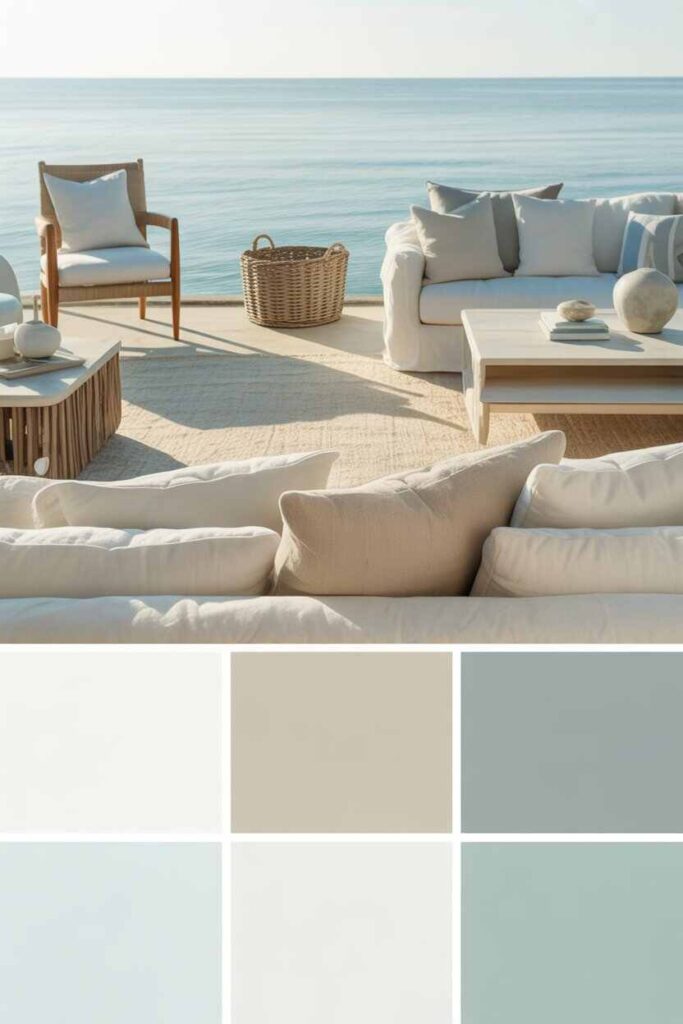
A true coastal palette is inspired by nature, not clichés. It reflects sand warmed by the sun, sky washed with soft clouds, water shifting from pale blue to deep teal, and driftwood weathered by time. The goal is balance. Coastal colors should feel airy and natural, never harsh or overwhelming.
The foundation of most coastal homes is built on soft neutral tones. These shades create visual breathing room and allow accent colors to shine without dominating the space. Creamy whites, warm beiges, pale taupes, and light greige tones form a calm backdrop that instantly brightens a room. Unlike stark white, these softer neutrals add warmth and make spaces feel lived-in rather than sterile.
Blues are often the heart of coastal interiors, but the key is choosing muted, layered blues rather than bold navy everywhere. Think powder blue, sea glass, faded denim, and misty sky shades. These tones feel relaxing and work beautifully in both small and large rooms.
Greens also play an important role. Sage, eucalyptus, olive, and soft mint add an organic touch that connects indoor spaces with the outdoors. When paired with neutral walls, green accents feel grounding and timeless.
To keep the palette from feeling flat, coastal design uses gentle contrast through warm textures and subtle accent colors. Sandy tans, light wood tones, woven textures, and hints of sun-washed coral or terracotta add depth without overpowering the space.
Coastal Colors vs. Beach Theme The Important Difference
One of the most common mistakes people make is confusing coastal style with beach theme. A beach theme relies on obvious decor, bold stripes, and literal references, while coastal design focuses on mood and atmosphere.
A well-designed coastal home doesn’t shout “beach.” Instead, it quietly suggests calm and openness. The colors feel blended and layered, not high-contrast or novelty-driven. This is why following a thoughtful coastal color guide matters. It helps you avoid trendy choices that won’t age well and instead build a palette that feels sophisticated and adaptable.
Coastal colors work beautifully with modern interior design because they rely on simplicity and light. They also blend seamlessly with farmhouse style, minimalist spaces, and even boho-inspired homes when used thoughtfully.
Read More About: Modern Farmhouse Color Guide Ideas & Inspiration Budget-Friendly Ways to Create a Warm, Timeless Home
Building the Perfect Neutral Base
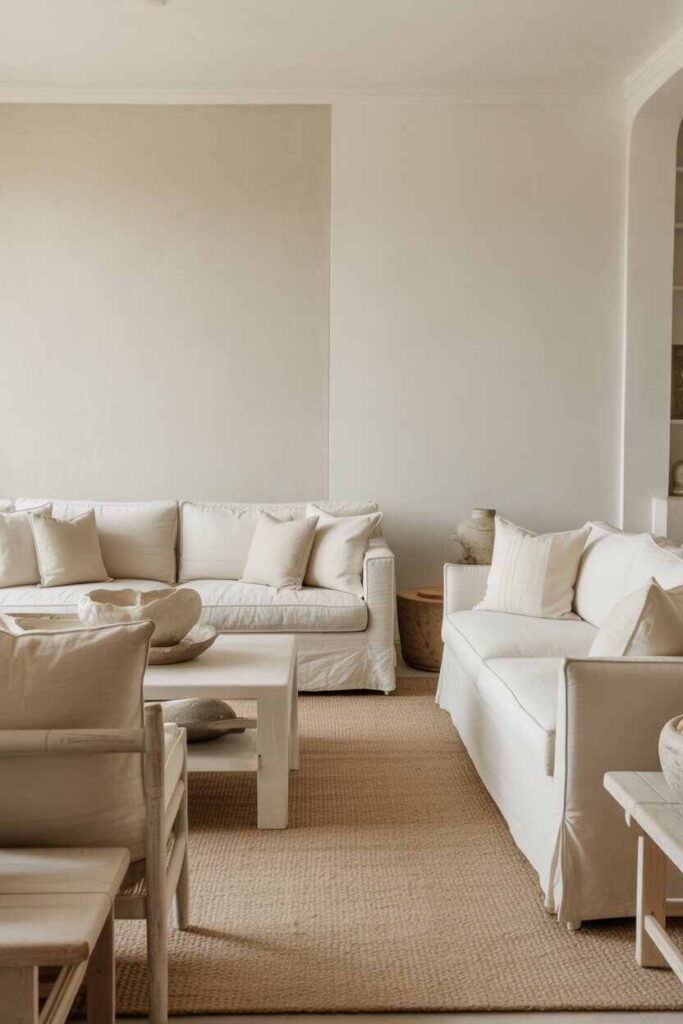
Every successful coastal space starts with a strong neutral base. This is what allows your home to feel bright, cohesive, and flexible over time. Neutral walls reflect light, make rooms feel larger, and create a calming foundation for layered decor.
Warm whites are ideal for walls because they soften natural light and work well in both sunny and low-light rooms. Beige and light sand tones are perfect if you want a warmer, cozier feel, especially in living areas or bedrooms. These shades pair beautifully with light wood furniture and natural textures.
When choosing neutrals, pay attention to undertones. Coastal interiors look best when undertones stay consistent. Mixing cool gray with warm beige can make a room feel disjointed. Instead, choose neutrals that lean slightly warm or neutral-cool and repeat them throughout your home for flow.
This neutral base allows you to change accent colors seasonally or update decor without repainting. It’s one of the most budget-friendly ways to design a home that stays stylish long-term.
Layering Blues the Right Way
Blue is often the first color people think of when designing a coastal space, but the secret lies in restraint. Instead of using one bold blue everywhere, successful coastal homes layer multiple softer shades.
Light blues work beautifully on accent walls, furniture upholstery, or large textiles like rugs and curtains. They add color without overwhelming the space. Deeper blues, such as muted navy or slate blue, are best used sparingly. A single armchair, throw pillow, or piece of art can anchor a room and add contrast.
Blues feel especially calming in bedrooms and bathrooms, making them perfect for creating a cozy bedroom or spa-like retreat. When paired with crisp white bedding or light stone tiles, blue tones instantly evoke a sense of calm and cleanliness.
To keep blue from feeling cold, balance it with warm textures like woven baskets, wood accents, and soft fabrics. This contrast is what makes coastal spaces feel welcoming rather than flat.
Read More About: Rustic Color Guide Ideas & Inspiration Budget-Friendly Ways to Create Warm, Modern Rustic Interiors
Using Greens to Add Natural Balance
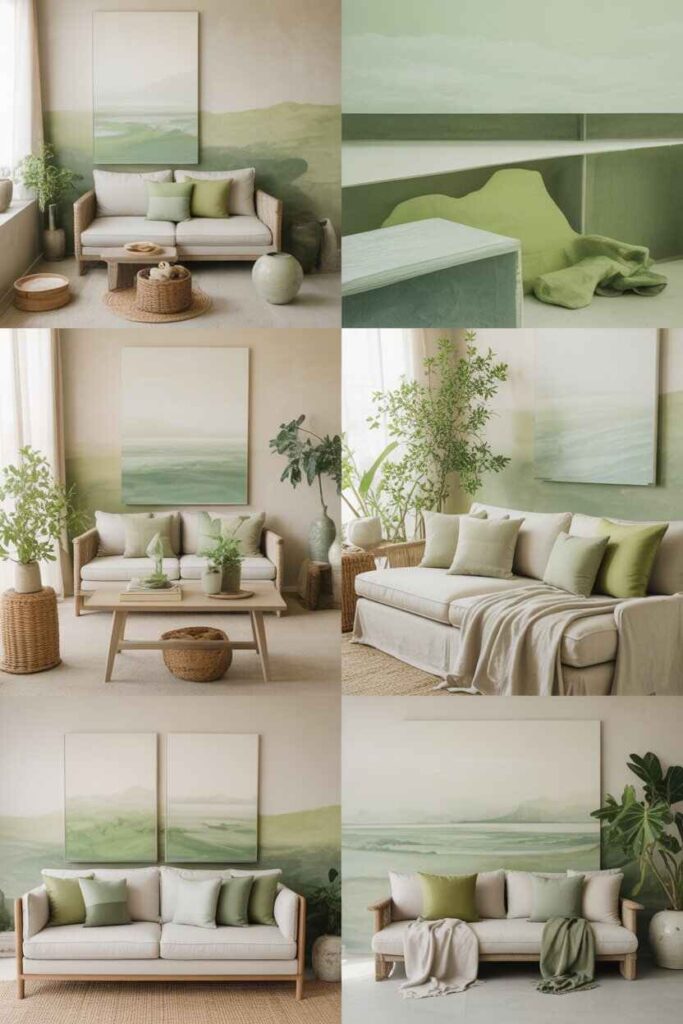
Green is often overlooked in coastal design, but it’s one of the most versatile and grounding colors you can use. Soft greens mimic coastal vegetation and add a sense of freshness that balances blues beautifully.
Sage green works well in kitchens, bathrooms, and bedrooms because it feels clean and soothing. Olive and eucalyptus tones add depth and warmth, especially when paired with light wood and neutral walls. These shades also blend seamlessly with minimalist bathroom designs and modern kitchens.
You don’t need to paint walls green to enjoy its benefits. Upholstery, pillows, ceramic decor, and plants all introduce green in a subtle, low-commitment way. This approach is perfect for renters or anyone who prefers flexible design choices.
Green also enhances natural light, making rooms feel more alive and connected to the outdoors. When combined with coastal neutrals, it creates a balanced, timeless look.
Warm Accents That Keep Coastal Spaces Cozy
Without warmth, coastal interiors can sometimes feel too airy or impersonal. This is where warm accent colors and textures play a crucial role.
Soft tan, sandy beige, and light caramel tones bring warmth without overpowering the palette. These shades work beautifully in rugs, throw blankets, cushions, and furniture finishes. Even small touches like ceramic vases or lampshades can add warmth and depth.
For a modern twist, hints of muted terracotta or blush can be incorporated sparingly. These colors add personality and visual interest while still feeling natural and sun-washed.
Textures matter just as much as color. Linen, cotton, jute, rattan, and light wood finishes enhance the coastal feel and make spaces feel layered and inviting. These materials also align perfectly with DIY home decor projects, making it easy to update your home on a budget.
Room-by-Room Coastal Color Ideas
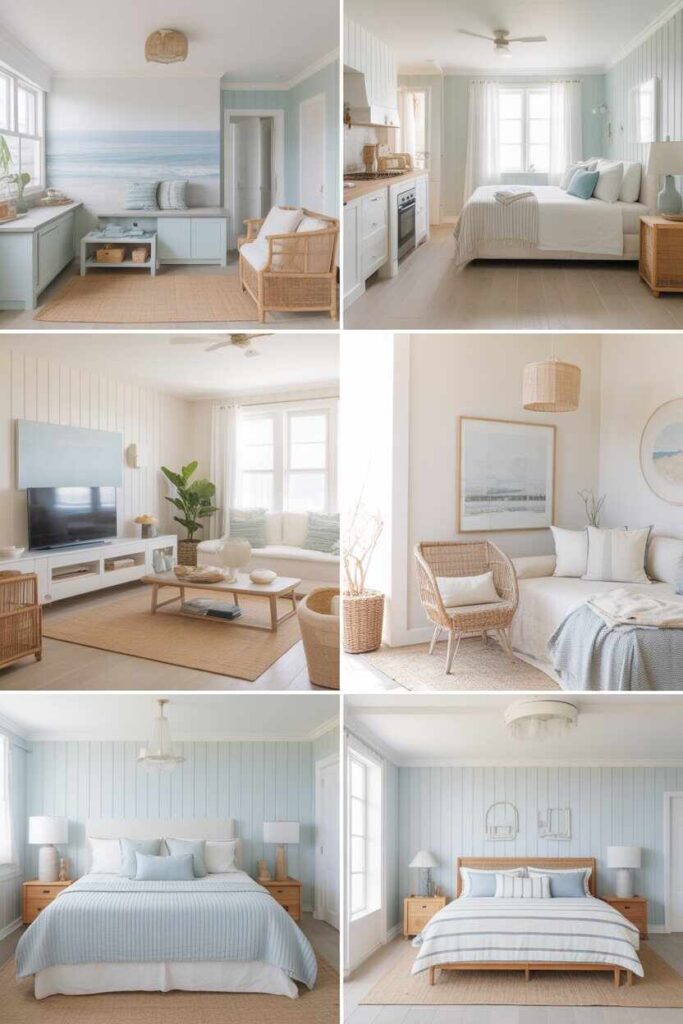
In living rooms, coastal colors should encourage relaxation and conversation. Neutral walls paired with blue or green accent furniture create balance. Soft throws, textured pillows, and light wood furniture complete the look and make the space feel welcoming.
Bedrooms benefit from softer, more muted shades. Pale blue or green accents combined with warm white bedding create a calming environment perfect for rest. Keeping the palette minimal helps maintain a peaceful atmosphere and enhances the cozy bedroom feel.
Bathrooms are ideal spaces for coastal color experimentation. Light blues, seafoam greens, and sandy neutrals create a spa-like mood. Paired with simple fixtures and natural textures, these colors turn everyday routines into relaxing rituals.
Kitchens look fresh and modern with coastal palettes. White or light neutral cabinets combined with subtle blue or green accents feel timeless. Open shelving, light countertops, and simple decor keep the space airy and uncluttered.
Making Coastal Colors Work on a Budget
Creating a coastal look doesn’t require a full renovation. One of the biggest advantages of this style is how adaptable and affordable it can be.
Paint is the most powerful tool. Updating walls or even a single accent area can completely change how a room feels. Textiles are another easy update. Swapping out pillow covers, curtains, or bedding instantly refreshes a space.
Thrifted decor, DIY art, and natural materials help achieve the look without overspending. Coastal design celebrates simplicity, making it perfect for budget-friendly home updates that still feel high-end.
By focusing on color harmony and texture rather than expensive furniture, you can create a space that looks curated and intentional.
Why Coastal Colors Feel Timeless
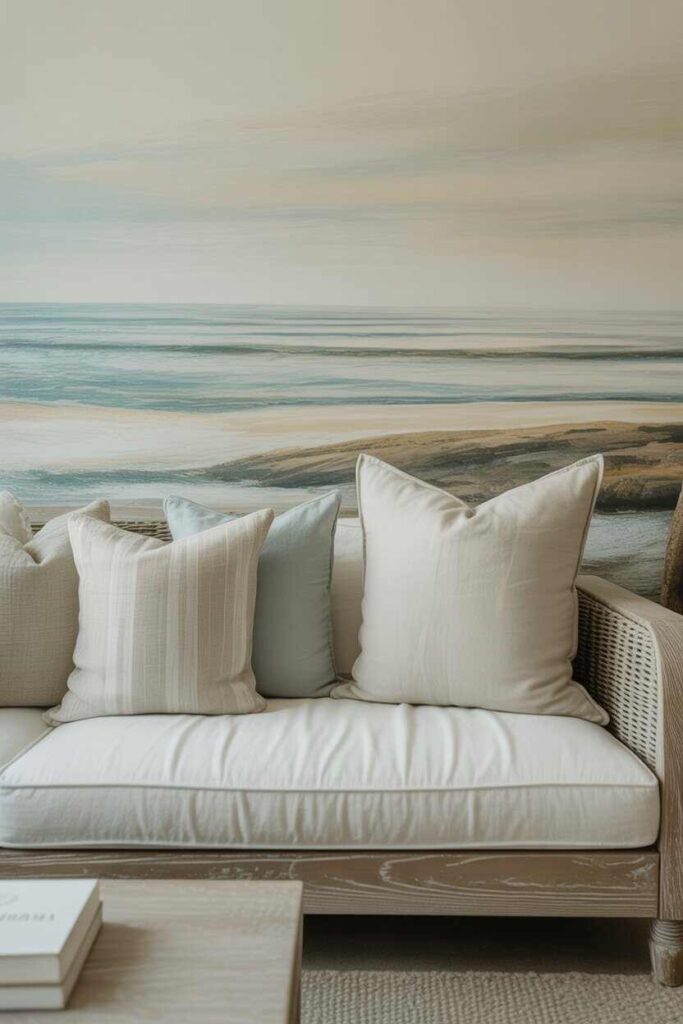
Trends come and go, but coastal colors remain popular because they connect us to nature and promote well-being. These palettes are easy on the eyes, flexible across styles, and adaptable to different homes and climates.
Whether you lean toward modern interior aesthetics or relaxed farmhouse style, coastal colors provide a foundation that evolves with your taste. They make homes feel brighter, calmer, and more inviting, which is exactly why they perform so well on Pinterest and in real life.
Read More About: Japanese Color Guide Ideas & Inspiration A Budget-Friendly Path to Modern, Calm Interiors
Conclusion
A beautiful coastal home isn’t about following strict rules or copying a single look. It’s about understanding how colors work together to create mood, balance, and comfort. With this coastal color guide, you now have the confidence to choose shades that feel fresh, calming, and personal.
Start small. Update one room, experiment with textures, and let your space evolve naturally. Coastal colors are forgiving, versatile, and endlessly inspiring. If you’re ready to bring more light and calm into your home, explore more design ideas, gather decor inspiration, and start creating a space that truly feels like a retreat.


