
Japandi Basement Remodels You Have to See Modern, Cozy & Budget-Friendly Ideas That Feel Like a Retreat

Basements used to be the forgotten corners of the home, dark and underused, but today they’re becoming the most soulful spaces we own. If you’ve been dreaming of a calm, modern, and deeply comforting lower level, japandi basement remodels you have to see are about to inspire you in the best way possible. This design approach blends Japanese minimalism with Scandinavian warmth, creating rooms that feel grounded, intentional, and quietly luxurious without being cold or expensive.
In this guide, you’ll discover how to transform a basement into a serene living area, guest suite, home office, or even a cozy bedroom using design ideas that are practical, affordable, and Pinterest-perfect. We’ll explore finishes, color palettes, lighting tricks, and decor inspiration that help basements feel brighter and more inviting. Whether you’re planning a full remodel or just refreshing what you already have, you’ll walk away with ideas you can actually use.
What Makes Japandi Perfect for Basements
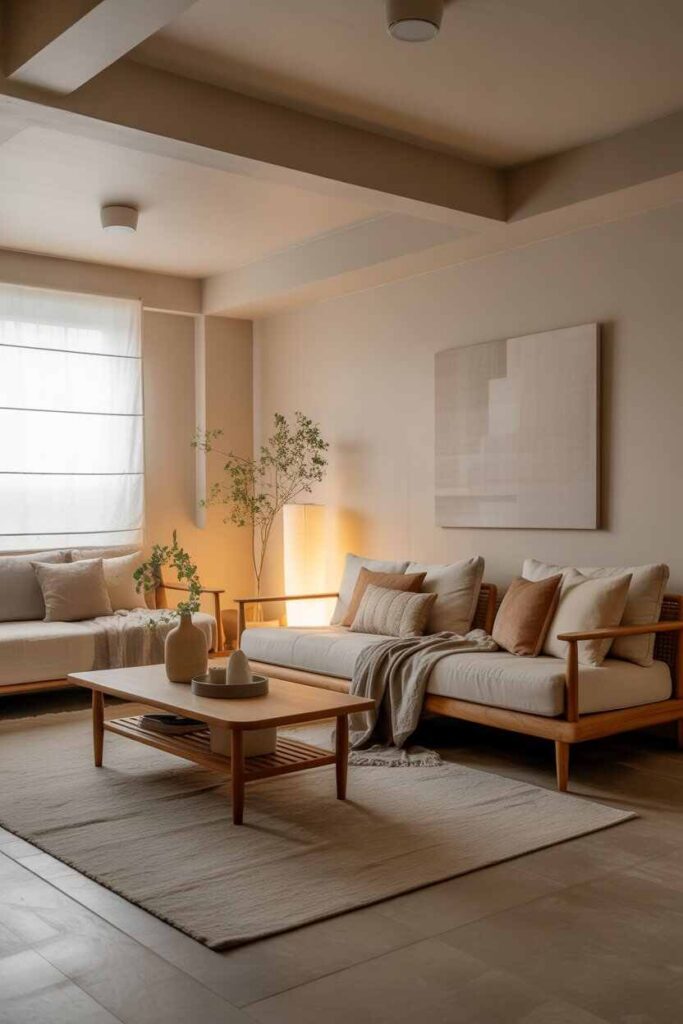
Japandi works beautifully below ground because it solves the biggest basement problems: lack of light, visual clutter, and awkward layouts. This style focuses on simplicity, natural textures, and soft contrast, which instantly makes a space feel more open and breathable. Instead of heavy decoration, japandi emphasizes quality materials, thoughtful placement, and a calm rhythm that suits low-ceiling or compact spaces.
A key reason japandi basement remodels you have to see are trending on Pinterest is how adaptable they are. You can lean minimalist for a clean modern interior, or layer in warmth for a lived-in, cozy feel. The balance is what matters most, not perfection.
Read More About: The Best Country Luxury Homes In Timeless Ideas, Modern Inspiration, and Effortless Elegance
The Japandi Color Palette That Transforms Basements
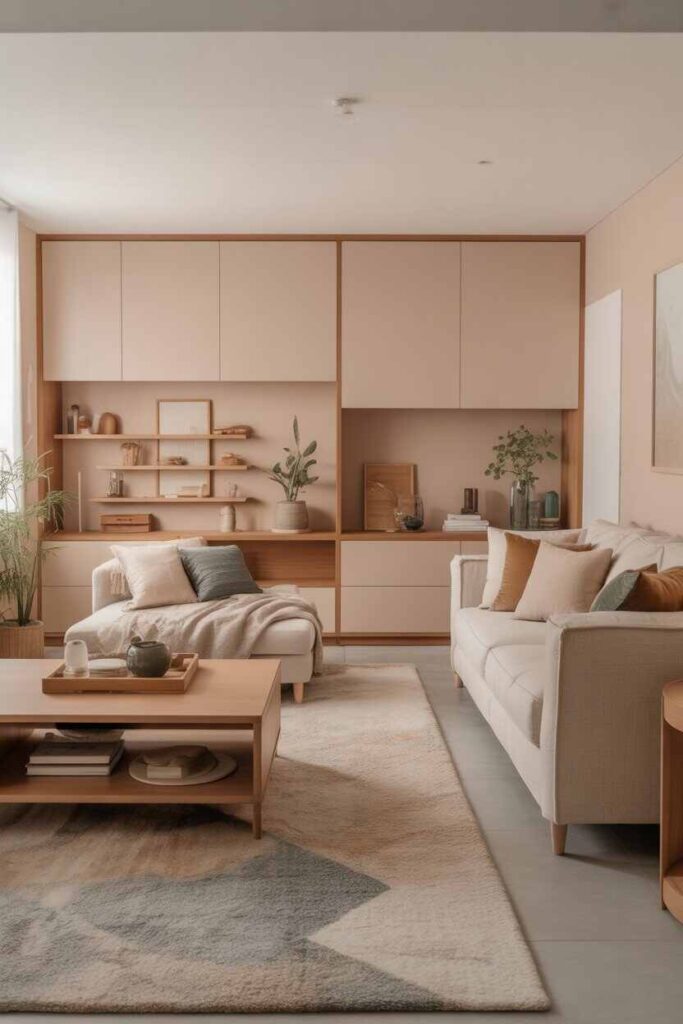
Soft Neutrals That Brighten Without Overpowering
Basements benefit from light, natural colors that reflect whatever daylight they get. Japandi palettes often include warm whites, creamy beiges, soft greige, and pale stone tones. These hues create a calming base and prevent the space from feeling cave-like.
Layering similar shades instead of stark contrasts keeps the room visually calm. When walls, ceilings, and floors flow together, even a small basement feels more expansive.
Earthy Accents for Depth and Warmth
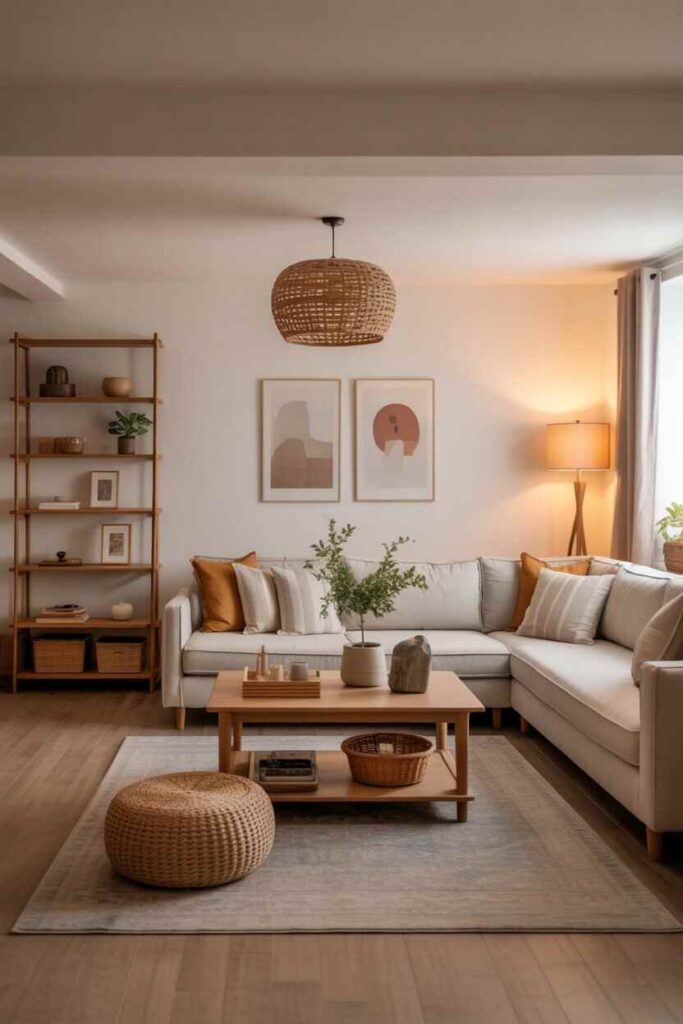
To avoid a flat look, japandi uses grounded accents like clay, muted terracotta, soft charcoal, and natural wood tones. These colors bring depth without overwhelming the senses. A walnut coffee table, oak shelving, or linen curtains in warm taupe can make all the difference.
This subtle color play is one reason japandi basement remodels you have to see feel so refined yet approachable.
Read More About: Living Room Furniture Ideas & Inspiration Budget-Friendly, Modern, and Truly Lived-In Spaces
Flooring Choices That Feel Natural and Cozy
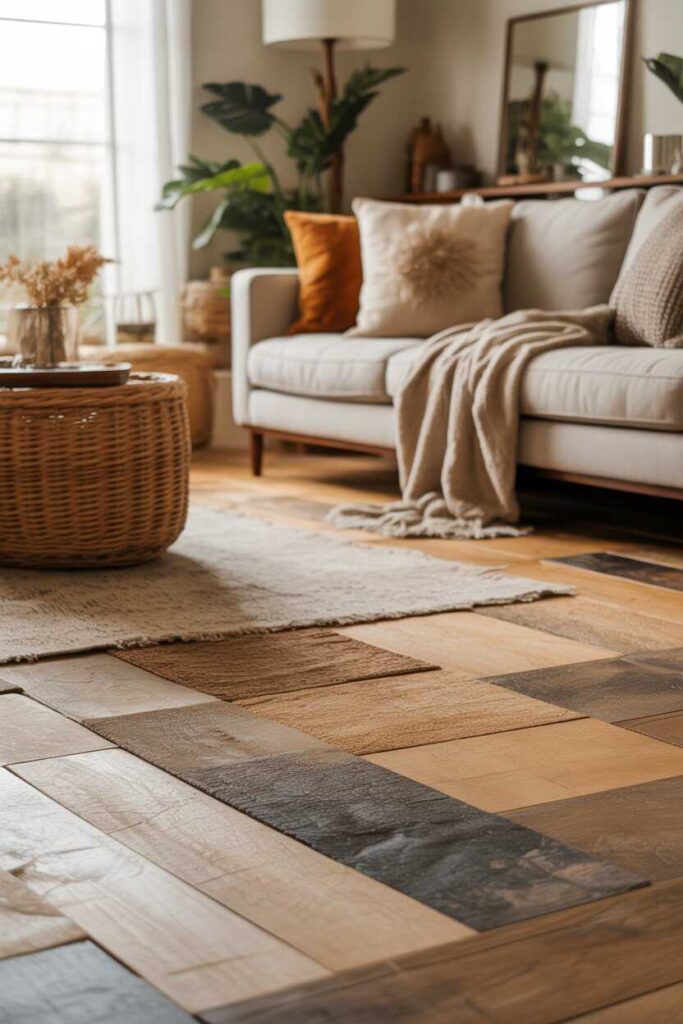
Flooring sets the emotional tone of a basement. Japandi favors materials that feel organic and timeless. Engineered wood in light oak or ash brings warmth while handling basement humidity better than solid hardwood. For a more minimalist edge, polished concrete or microcement offers durability and a seamless look that pairs beautifully with soft furnishings.
Area rugs play a major role here. Layering a woven jute or wool rug adds comfort underfoot and visually zones the space, especially in open-plan basements. These textures are central to japandi’s relaxed elegance.
Lighting Ideas That Make Basements Feel Like Main-Floor Rooms
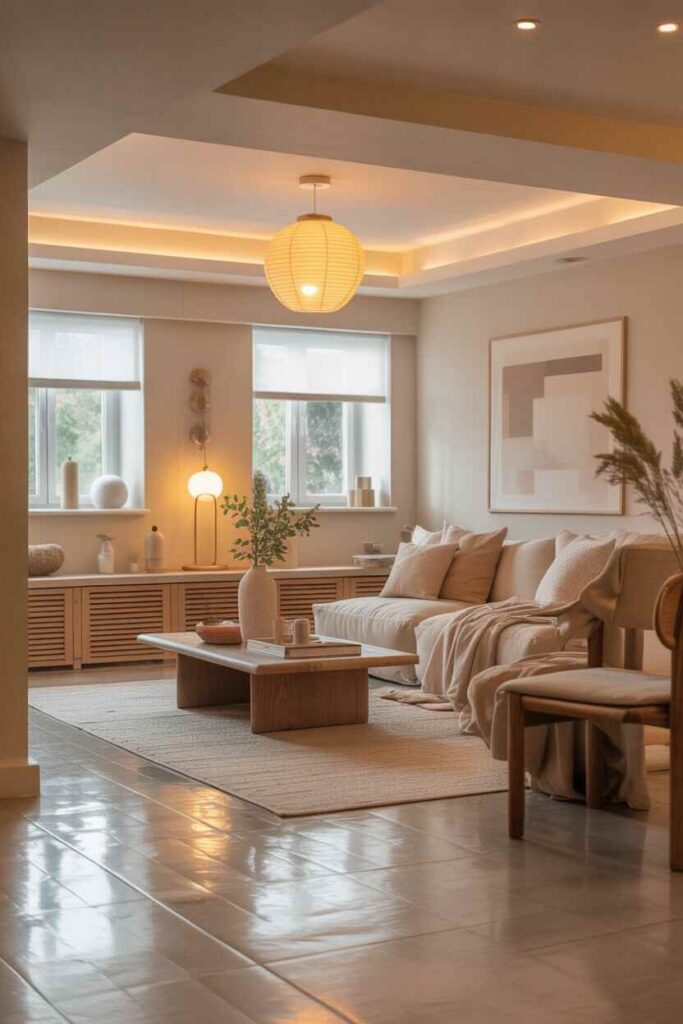
Layered Lighting for Balance
Lighting can make or break a basement remodel. Japandi spaces rely on layered lighting rather than a single harsh overhead fixture. Soft recessed lights provide general illumination, while wall sconces, table lamps, and floor lamps create mood.
Warm bulbs are essential. Cool lighting fights against japandi’s calming nature, whereas warm tones enhance wood, textiles, and neutral walls.
Natural-Light Illusions
If your basement has small windows, keep them unobstructed. Sheer linen curtains allow light through while maintaining privacy. Mirrors placed opposite windows help bounce light deeper into the room, a favorite trick in japandi basement remodels you have to see across Pinterest boards.
Japandi Basement Living Rooms That Invite You to Stay
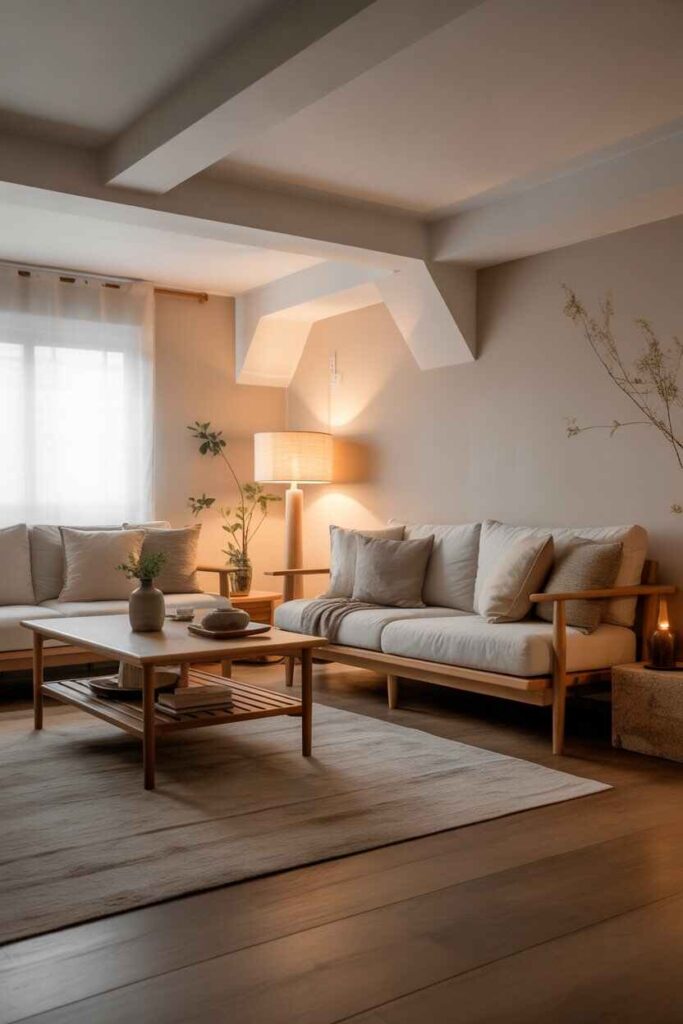
A japandi basement living room is all about quiet comfort. Low-profile sofas in neutral upholstery keep sightlines open and emphasize horizontal space, which makes ceilings feel higher. Instead of bulky entertainment units, opt for floating shelves or slim consoles that maintain visual lightness.
Textiles bring warmth here. Soft throws, textured cushions, and natural fiber rugs add layers without clutter. The result is a living area that feels intentionally calm, perfect for relaxing evenings or casual entertaining.
Turning Your Basement into a Japandi Cozy Bedroom
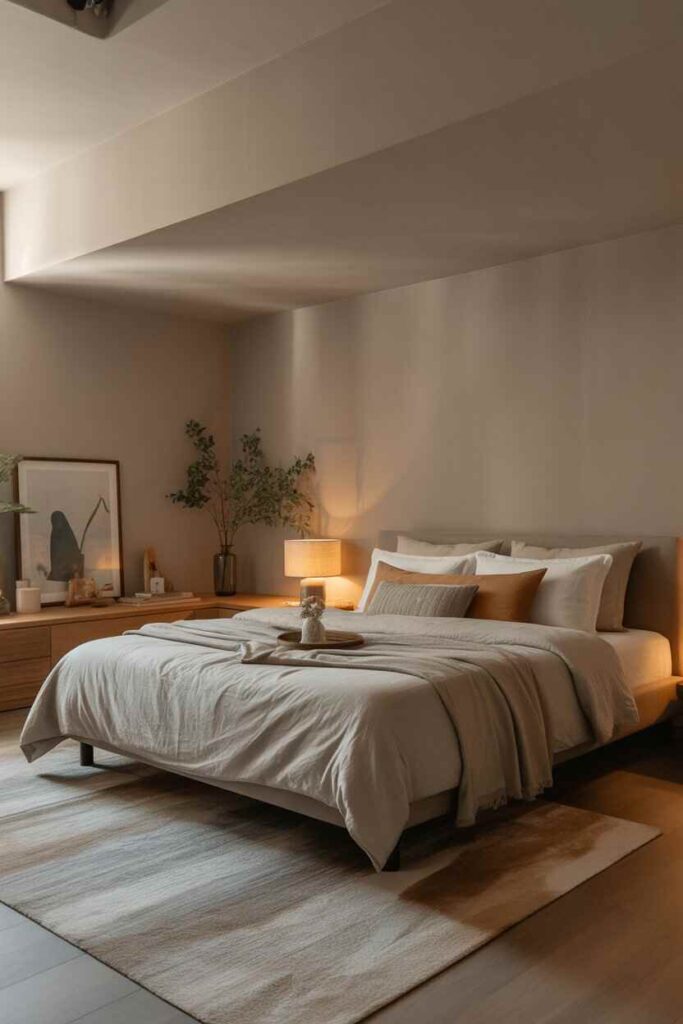
Basement bedrooms often struggle with atmosphere, but japandi transforms them into peaceful retreats. A low platform bed enhances the grounded aesthetic and works well with lower ceilings. Neutral bedding in cotton or linen keeps the space breathable, while a textured headboard or wood slat wall adds interest without noise.
Lighting is especially important in bedroom remodels. Bedside lamps with warm glow bulbs create intimacy, and wall-mounted fixtures free up surface space. These thoughtful details are why japandi basement remodels you have to see frequently include serene sleeping spaces.
Japandi Basement Home Offices That Inspire Focus
Working from a basement doesn’t have to feel isolating. Japandi home offices prioritize clarity and calm, which boosts productivity. A simple wooden desk, ergonomic chair, and minimal shelving are often all you need. Keeping décor limited helps maintain focus while still feeling styled.
Adding greenery like a snake plant or fiddle leaf fig introduces life and balances the neutral palette. This natural touch is a cornerstone of japandi and fits perfectly with modern work-from-home needs.
Budget-Friendly Japandi Basement Remodel Ideas
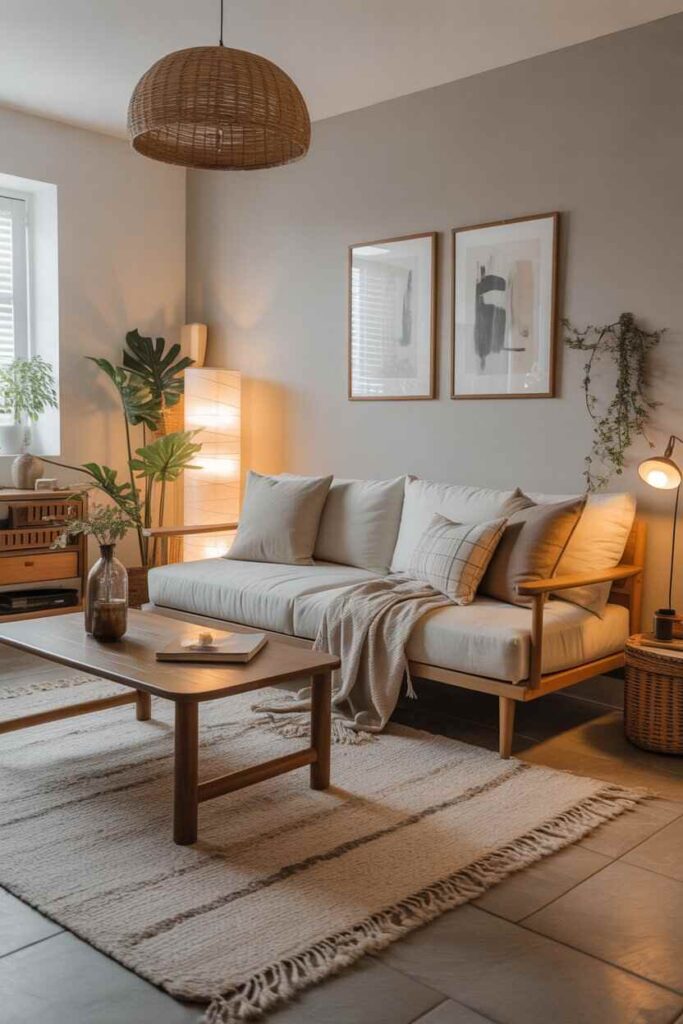
Japandi doesn’t require expensive materials or custom furniture. Many DIY home decor updates align perfectly with this style. Painting walls in warm neutrals, swapping out harsh lighting, and decluttering aggressively can dramatically shift the feel of a basement.
Thrifted wood furniture, simple ceramic vases, and handmade textiles often look even better than mass-produced décor. Budget-friendly choices tend to feel more authentic, which is why japandi works so well for real homes.
Mixing Japandi with Other Styles in the Basement
One reason this trend continues to grow is its flexibility. Japandi pairs beautifully with other aesthetics when done thoughtfully. A hint of farmhouse style can appear through reclaimed wood beams or vintage stools, while a more modern interior approach shows up in sleek fixtures and clean lines.
The key is restraint. Japandi thrives on balance, so each added influence should support calm rather than compete for attention
Storage Solutions That Keep Japandi Basements Clutter-Free
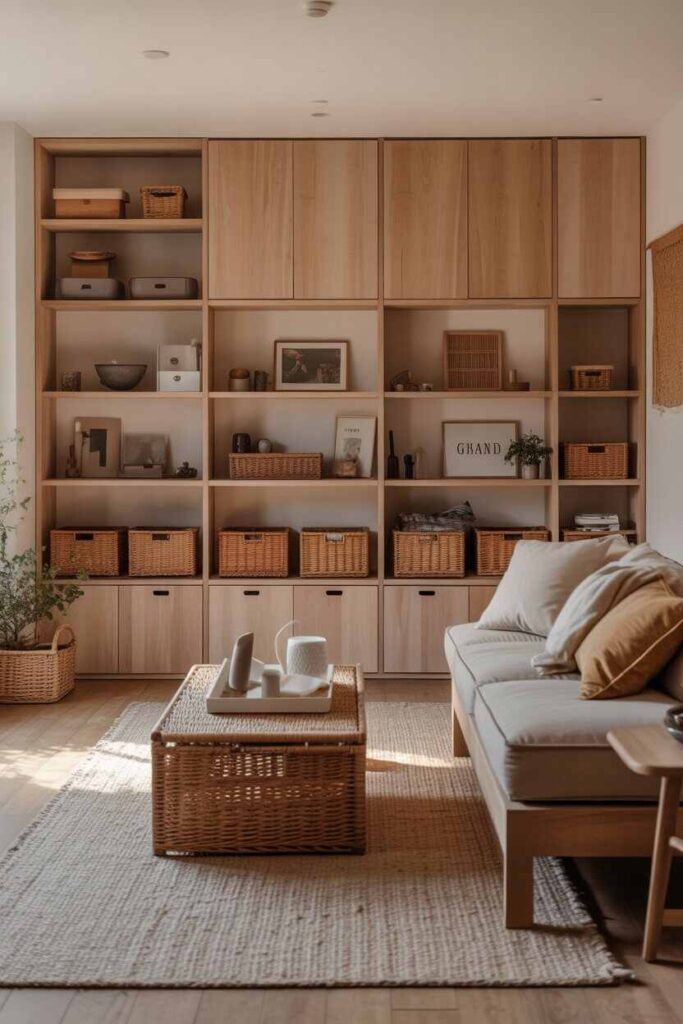
Basements often double as storage, which makes smart solutions essential. Built-in cabinetry in matching wall colors visually disappears, maintaining a serene look. Closed storage is preferred over open shelving to reduce visual noise.
When open shelves are used, styling should be minimal and intentional. A few handmade ceramics or neatly stacked books provide interest without disrupting the flow.
Why Japandi Basement Remodels Are Perfect for Pinterest
Pinterest users search for ideas that are aspirational yet achievable, and japandi hits that sweet spot. The neutral palette photographs beautifully, while natural textures add depth to images. This makes japandi basement remodels you have to see incredibly shareable and evergreen.
If you’re creating content, focus on before-and-after transformations, lighting upgrades, and close-ups of textures. These visuals resonate strongly with audiences looking for real-life inspiration.
Common Mistakes to Avoid in Japandi Basement Remodels
Overdecorating is the most common pitfall. Japandi is about intentional choices, not filling every corner. Avoid mixing too many wood tones or introducing bold colors that disrupt the calm palette.
Another mistake is neglecting comfort. Minimal doesn’t mean uncomfortable. Soft seating, warm lighting, and tactile materials ensure the space feels welcoming, not sterile.
Bringing It All Together: Your Japandi Basement Vision
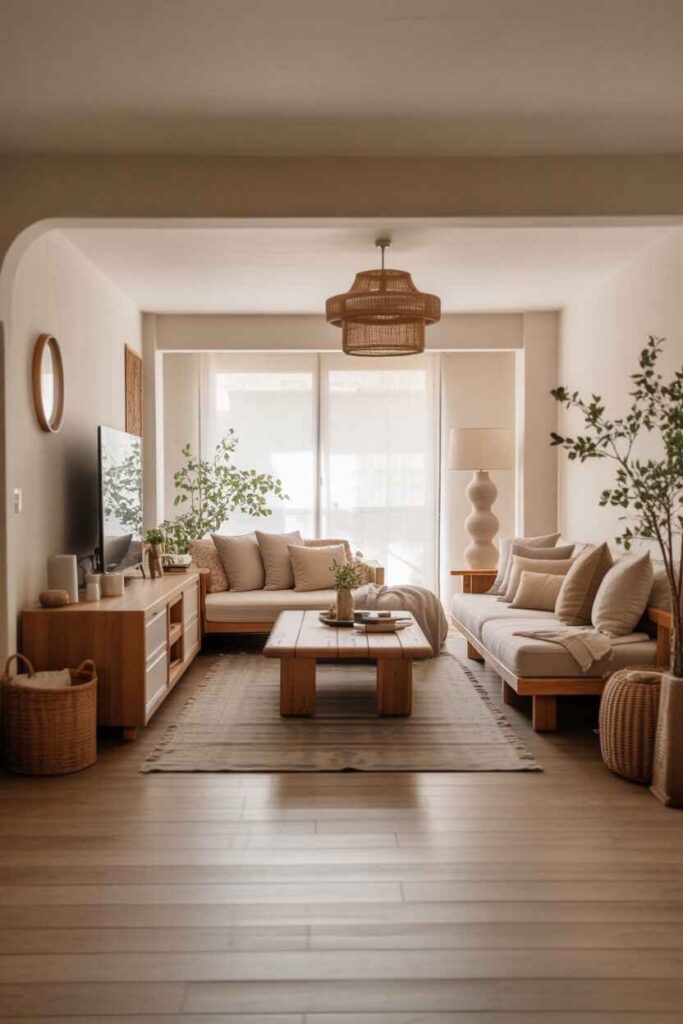
When thoughtfully designed, a basement can become the most peaceful room in your home. Japandi basement remodels you have to see prove that even below-ground spaces can feel light, warm, and deeply personal. By focusing on simplicity, natural materials, and cozy details, you can create a retreat that supports relaxation, creativity, and everyday living.
Start small if needed. Update lighting, simplify furniture, and layer in textures. As your vision grows, so will your confidence. Japandi isn’t about perfection; it’s about creating a space that feels balanced and truly yours.
Read More About: Open Floor Plan Living Room and Kitchen Ideas Modern Budget Friendly Inspiration for a Beautiful Flowing Home
Final Thoughts
If this guide sparked ideas, save your favorite looks, experiment with one room at a time, and trust your instincts. Japandi design rewards patience and intention. Your basement has the potential to be more than functional; it can become a sanctuary you’ll love coming home to.


