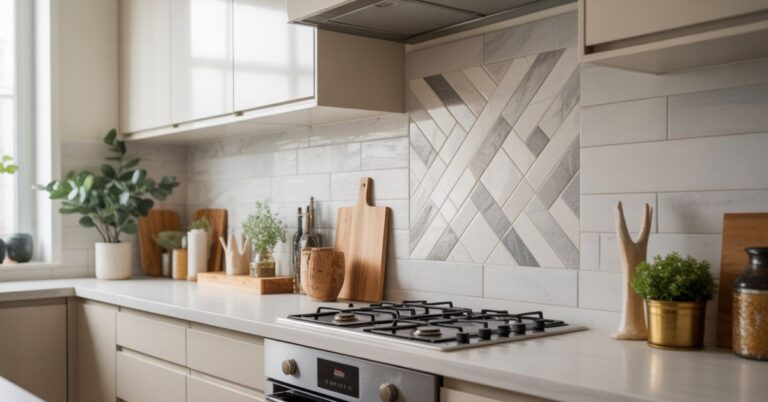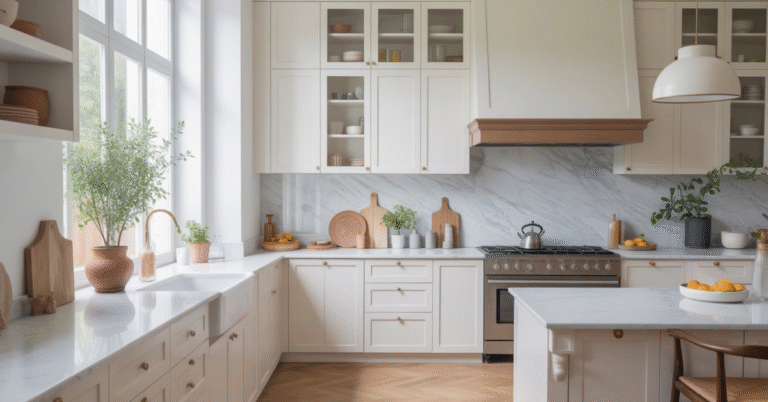
Japandi Kitchen Ideas & Inspiration Modern Budget Friendly and Uniquely Calm Spaces You Love

There’s something deeply comforting about a kitchen that feels calm the moment you step into it. A space that doesn’t shout for attention but gently invites you in, slows you down, and makes everyday routines feel intentional. That’s exactly why the japandi kitchen has become one of the most loved design styles for modern homes, especially for Pinterest readers searching for design ideas, decor inspiration, and beautiful interiors that feel both stylish and livable.
In this guide, you’ll discover how the japandi kitchen blends Japanese minimalism with Scandinavian warmth to create a space that feels balanced, cozy, and timeless. We’ll explore color palettes, materials, layouts, lighting ideas, and budget-friendly styling tips that make this trend accessible whether you’re renovating from scratch or refreshing your current kitchen. If you love calm aesthetics, natural textures, and a modern interior that feels human and warm rather than cold, this article will feel like home.
Read More About :Modern Boho Kitchen Ideas Unique, Budget-Friendly Inspiration for a Warm and Stylish Home
What Is a Japandi Kitchen and Why Is Everyone Obsessed With It?
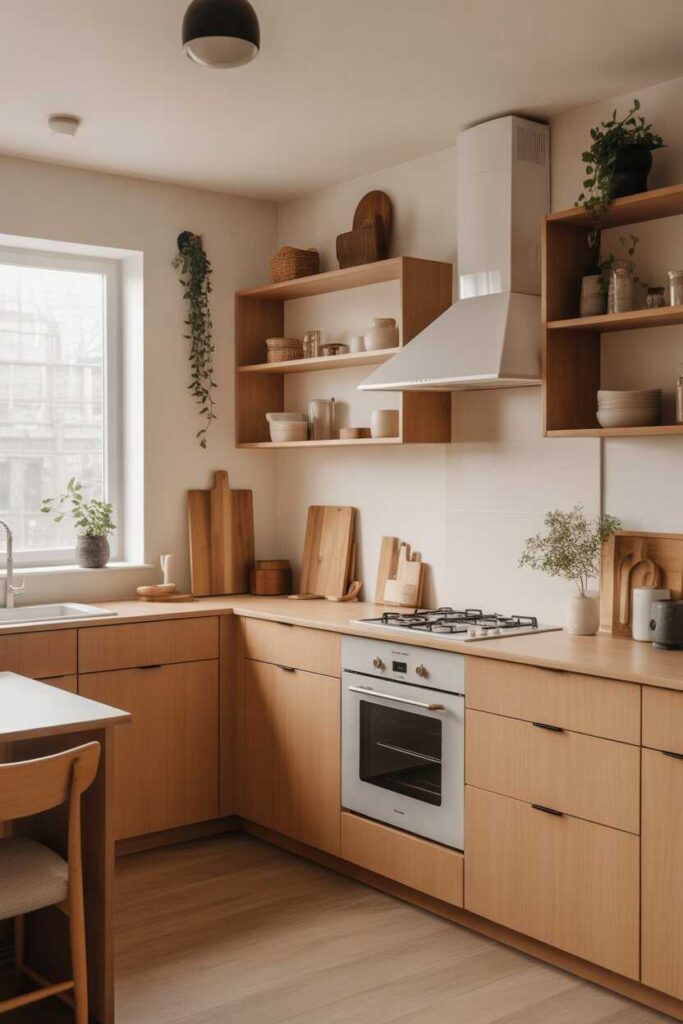
A japandi kitchen is the perfect marriage of Japanese and Scandinavian design philosophies. Japanese interiors emphasize simplicity, intention, and harmony with nature, while Scandinavian design focuses on comfort, functionality, and light-filled spaces. When these two worlds meet, the result is a kitchen that feels serene, practical, and effortlessly beautiful.
What makes this style so appealing is how it fits modern life. In a world filled with visual noise, the japandi kitchen offers a sense of calm. Clean lines, uncluttered surfaces, and warm natural elements create a space where cooking feels peaceful rather than chaotic. Unlike ultra-minimal kitchens that can feel cold or uninviting, japandi kitchens are softened by wood textures, organic finishes, and subtle contrasts that add depth and warmth.
For homeowners and renters alike, this style also aligns beautifully with current trends toward sustainability, slow living, and intentional design. A japandi kitchen isn’t about chasing trends; it’s about creating a space that feels grounded and timeless.
The Core Design Philosophy Behind Japandi Kitchens
At the heart of every japandi kitchen is a sense of balance. Nothing feels excessive, yet nothing feels empty. Every element has a purpose, whether it’s a handcrafted ceramic bowl on an open shelf or a beautifully grained wooden cabinet that becomes art in itself.
This style values quality over quantity. Instead of filling your kitchen with decorative clutter, japandi design encourages you to choose fewer pieces that are well-made and visually calming. Functionality is key, but aesthetics are never ignored. Storage solutions are thoughtful, layouts are intuitive, and the overall feeling is one of quiet elegance.
Another defining characteristic is the strong connection to nature. Japandi kitchens often feel like an extension of the outdoors, thanks to natural materials, earthy colors, and soft lighting. This connection creates a kitchen that feels soothing, making it a perfect choice for homes where the kitchen is a central gathering place.
Japandi Kitchen Color Palettes That Feel Calm and Modern
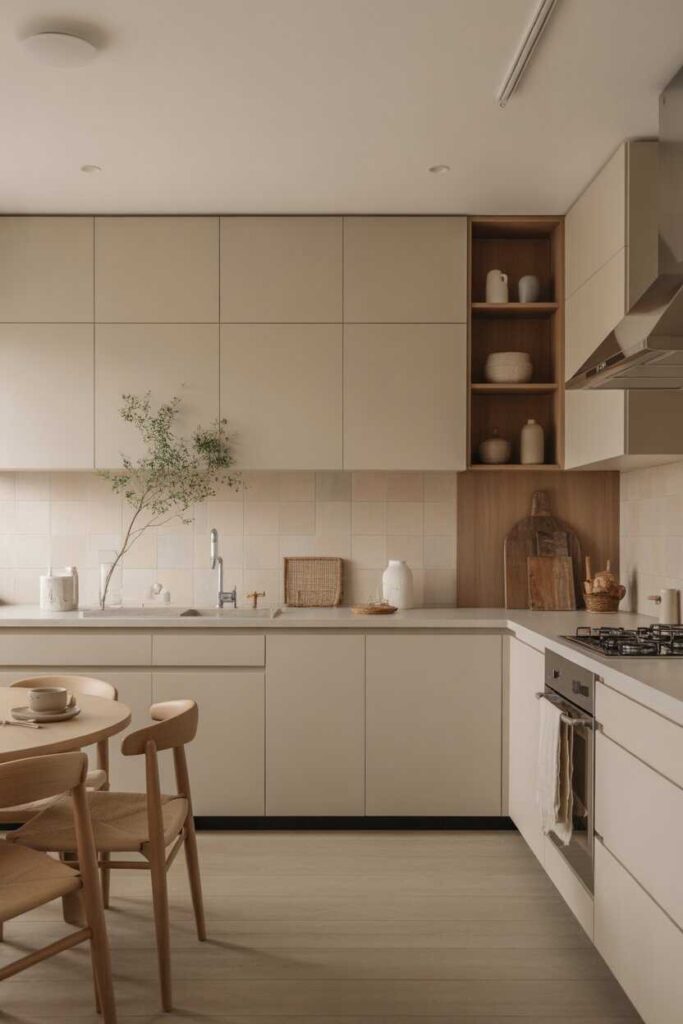
Color plays a huge role in defining the mood of a japandi kitchen. Instead of bold contrasts or high-gloss finishes, this style leans into soft, muted tones that feel restful and natural.
Most japandi kitchens start with a neutral base. Shades like warm white, soft beige, greige, or light taupe create a gentle backdrop that reflects light beautifully. These colors make even small kitchens feel open and airy, which is why this style is so popular in apartments and compact homes.
To add depth, earthy tones are layered in subtle ways. Think clay, sand, mushroom gray, muted olive, or charcoal used sparingly on cabinetry, islands, or backsplashes. Black is often used as an accent rather than a dominant color, appearing in hardware, light fixtures, or thin-framed windows to ground the space without overwhelming it.
What makes these palettes work so well is their versatility. They pair seamlessly with natural wood, stone, and ceramic finishes, allowing you to create a cohesive look that feels intentional and soothing rather than trendy.
Natural Materials That Define a Japandi Kitchen
Materials are where the japandi kitchen truly comes to life. Wood is the star of the show, often used in cabinetry, shelving, flooring, or even ceilings. Light oak, ash, and maple are popular for their soft grain and warm tone, while darker woods like walnut are used more selectively to add contrast and richness.
Stone and stone-look surfaces also play a major role. Matte quartz, honed granite, or concrete-inspired countertops provide a calm, understated texture that complements wood beautifully. These surfaces feel modern yet organic, making them perfect for a japandi aesthetic.
Ceramics add another layer of tactile beauty. Handmade tiles with subtle variation, matte finishes, or imperfect edges bring a sense of craftsmanship into the space. Even small details like ceramic handles or pottery displayed on open shelves can reinforce the natural, grounded feel of the kitchen.
Textiles, though minimal, are chosen with care. Linen tea towels, woven baskets, and natural fiber rugs soften the space and add warmth without cluttering the visual flow.
Read More About :Coastal Kitchen Ideas Light, Breezy, and Budget-Friendly Inspiration for a Relaxed Modern Home
Japandi Kitchen Layout Ideas That Prioritize Flow and Function
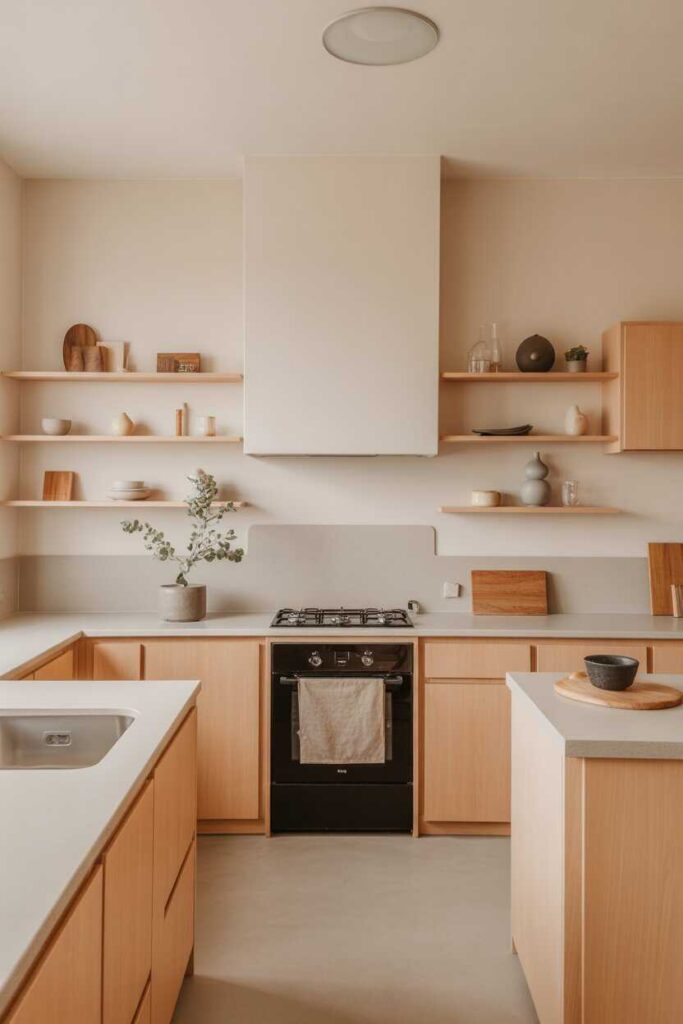
A japandi kitchen isn’t just about how it looks; it’s about how it works. Layouts are designed to feel intuitive and uncluttered, allowing for smooth movement and efficient use of space.
Open layouts are especially popular, as they allow the kitchen to flow naturally into dining or living areas. This openness enhances the calm atmosphere and makes the kitchen feel like a social hub rather than a purely functional room. In open-plan homes, japandi kitchens often blend seamlessly with the rest of the interior through consistent color palettes and materials.
For smaller kitchens, the focus is on smart storage and clean lines. Handle-less cabinets, integrated appliances, and vertical storage solutions keep the space looking tidy and intentional. Even in compact layouts, a japandi kitchen can feel surprisingly spacious when visual clutter is minimized.
Islands, when included, are simple and functional. Rather than oversized statement pieces, japandi islands often feature clean edges, natural finishes, and just enough space for food prep or casual dining.
Lighting Ideas That Enhance the Japandi Mood
Lighting is one of the most powerful tools in shaping the atmosphere of a japandi kitchen. Natural light is always prioritized, so window treatments are kept minimal or completely omitted whenever possible.
When it comes to artificial lighting, soft and layered is the goal. Pendant lights made from paper, wood, or ceramic are a favorite choice, adding warmth and visual interest without overpowering the space. These fixtures often feature simple shapes and muted tones that align with the overall aesthetic.
Under-cabinet lighting is another essential element, providing practical task lighting while enhancing the kitchen’s ambiance. Warm LED strips create a gentle glow that highlights textures and materials beautifully, especially in the evening.
Instead of relying on one central light source, japandi kitchens use multiple subtle light points to create depth and a cozy, welcoming feel.
Budget Friendly Japandi Kitchen Ideas That Still Look High End
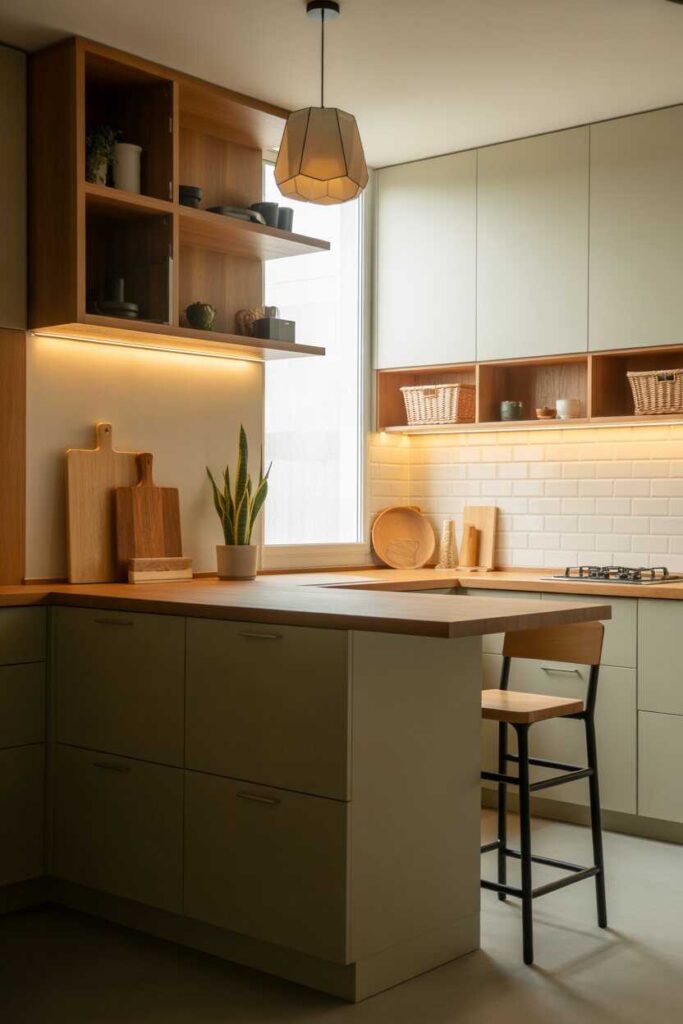
One of the biggest misconceptions about a japandi kitchen is that it requires a large budget. In reality, this style can be very approachable when you focus on thoughtful choices rather than expensive materials.
If a full renovation isn’t possible, small updates can make a big difference. Painting cabinets in a soft neutral tone instantly transforms the space. Swapping glossy finishes for matte paint creates a more modern, japandi-inspired look.
Open shelving is another affordable way to embrace this style. Simple wooden shelves styled with a few carefully chosen items can replace bulky upper cabinets, making the kitchen feel lighter and more open. The key is restraint, displaying only items that are both useful and beautiful.
Lighting upgrades offer high impact with relatively low cost. Replacing standard fixtures with minimalist pendants can dramatically change the mood of your kitchen without requiring major construction.
Even decor updates, such as adding ceramic jars, wooden cutting boards, or linen textiles, can help introduce decor inspiration that aligns with japandi aesthetics.
Styling a Japandi Kitchen for Pinterest-Worthy Visuals
Styling is where your japandi kitchen becomes truly Pinterest-ready. The goal is to create scenes that feel lived-in yet uncluttered, perfect for visual storytelling.
Start with surfaces. Keep countertops mostly clear, allowing materials like stone or wood to shine. Add just one or two intentional items, such as a ceramic vase with dried branches or a wooden tray holding everyday essentials.
Open shelves should feel curated, not crowded. Stack neutral-toned dishes, mix in handmade pottery, and leave negative space so each item has room to breathe. This approach creates a calm visual rhythm that photographs beautifully.
Plants are another powerful styling tool. A single potted herb, a small olive tree, or a trailing plant can bring life and softness into the kitchen without overwhelming the minimalist vibe.
Textures matter just as much as objects. Mixing smooth stone, warm wood, soft linen, and matte ceramics creates visual depth that makes your kitchen feel rich and inviting, even with a restrained color palette.
Japandi Kitchen vs Other Popular Kitchen Styles
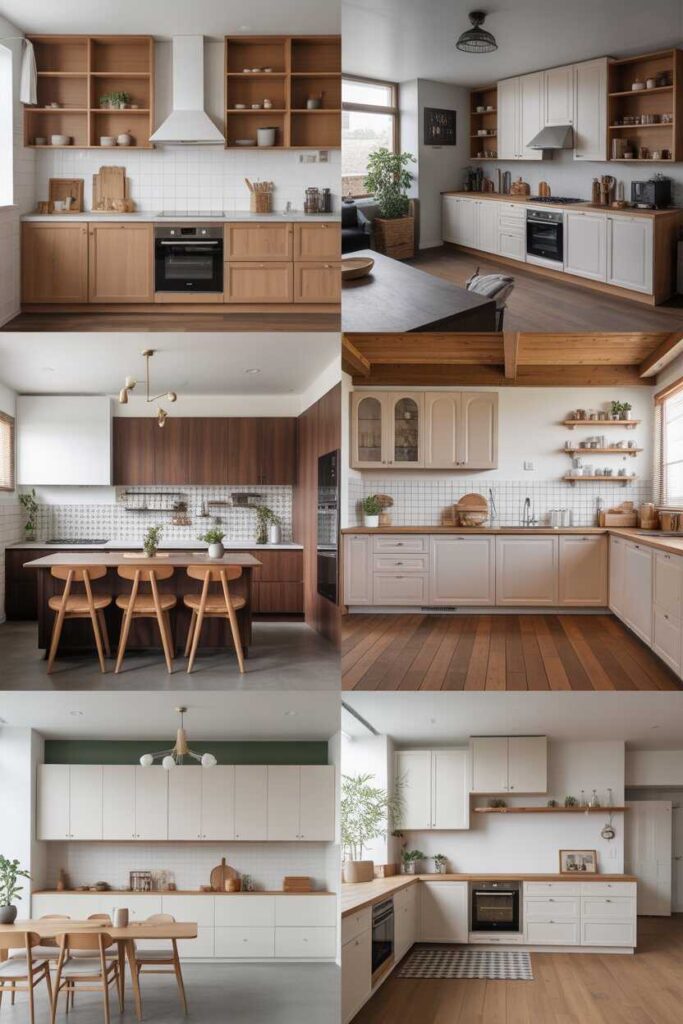
Compared to farmhouse style kitchens, which often feature distressed finishes and decorative details, a japandi kitchen feels more refined and minimal. Where farmhouse style embraces charm and nostalgia, japandi focuses on calm and modern simplicity.
When placed alongside ultra-modern kitchens, japandi feels warmer and more human. Instead of high-gloss surfaces and stark contrasts, it uses natural textures and muted tones to create a welcoming environment.
This balance is why so many homeowners are drawn to japandi design. It sits comfortably between minimalism and comfort, making it ideal for people who want a kitchen that looks beautiful but also feels good to use every day.
How to Make a Japandi Kitchen Feel Personal and Lived-In
While the japandi kitchen is rooted in minimalism, it should never feel sterile. Personal touches are what transform a beautiful space into a meaningful one.
Handmade items are especially powerful in this style. A ceramic bowl from a local artisan, a wooden spoon passed down through generations, or a simple piece of art can add emotional depth without disrupting the calm aesthetic.
Textures and patina also contribute to a lived-in feel. Let materials age naturally. Wood that develops character over time and stone that shows subtle wear only enhance the authenticity of a japandi kitchen.
The key is to choose items that resonate with you personally rather than filling the space with generic decor. This approach aligns perfectly with the japandi philosophy of intentional living.
Common Mistakes to Avoid When Designing a Japandi Kitchen
One of the most common mistakes is going too minimal and stripping the space of warmth. A japandi kitchen should feel calm, not cold. Without enough natural textures or warm tones, the space can feel unfinished.
Another pitfall is over-accessorizing. While decor is important, too many objects disrupt the sense of balance that defines this style. It’s better to display a few meaningful items than many decorative ones.
Finally, mixing too many contrasting materials or colors can dilute the japandi aesthetic. Consistency is key. Choose a cohesive palette and repeat materials thoughtfully throughout the space.
Why Japandi Kitchens Are Perfect for Modern Living
The beauty of a japandi kitchen lies in its adaptability. It works in small apartments, family homes, and open-plan spaces alike. Its emphasis on functionality makes it practical for everyday use, while its calm aesthetic supports a slower, more intentional lifestyle.
In a time when our homes are expected to do more than ever, the japandi kitchen offers a sanctuary. It’s a place where cooking becomes meditative, gatherings feel intimate, and design supports well-being rather than overwhelming it.
Final Thoughts
Designing a japandi kitchen isn’t about following strict rules or copying a picture perfectly. It’s about creating a space that feels balanced, warm, and intentional. By focusing on natural materials, soft colors, thoughtful layouts, and meaningful details, you can create a kitchen that feels timeless and deeply personal.
Whether you’re planning a full renovation or simply refreshing your space with small changes, japandi design offers endless design ideas and decor inspiration that fit beautifully into modern life. Start with one element, trust your instincts, and let your kitchen evolve into a calm, inviting space you’ll love coming back to every day.
If you’re ready to explore more modern interior styles, cozy home upgrades, or easy DIY home decor ideas, keep browsing and pinning inspiration that speaks to you. Your dream kitchen is closer than you think.