
Japanese Color Guide Ideas & Inspiration A Budget-Friendly Path to Modern, Calm Interiors

There is something instantly calming about Japanese interiors. The moment you see a softly toned room filled with light, gentle neutrals, and nature-inspired shades, your shoulders relax and your mind slows down. That emotional response is exactly why so many people search for a Japanese color guide when planning a home refresh. They are not just looking for paint colors. They are searching for a feeling. They want balance, warmth, and simplicity without sacrificing style or personality.
In this guide, you will learn how Japanese color philosophy works, how to choose the right tones for your own space, and how to apply these colors in a way that feels modern, affordable, and Pinterest-worthy. Whether you are decorating a cozy bedroom, refreshing a minimalist bathroom, or styling a small apartment, this Japanese color guide will help you create a home that feels intentional, soothing, and effortlessly beautiful.
Understanding the Philosophy Behind a Japanese Color Guide
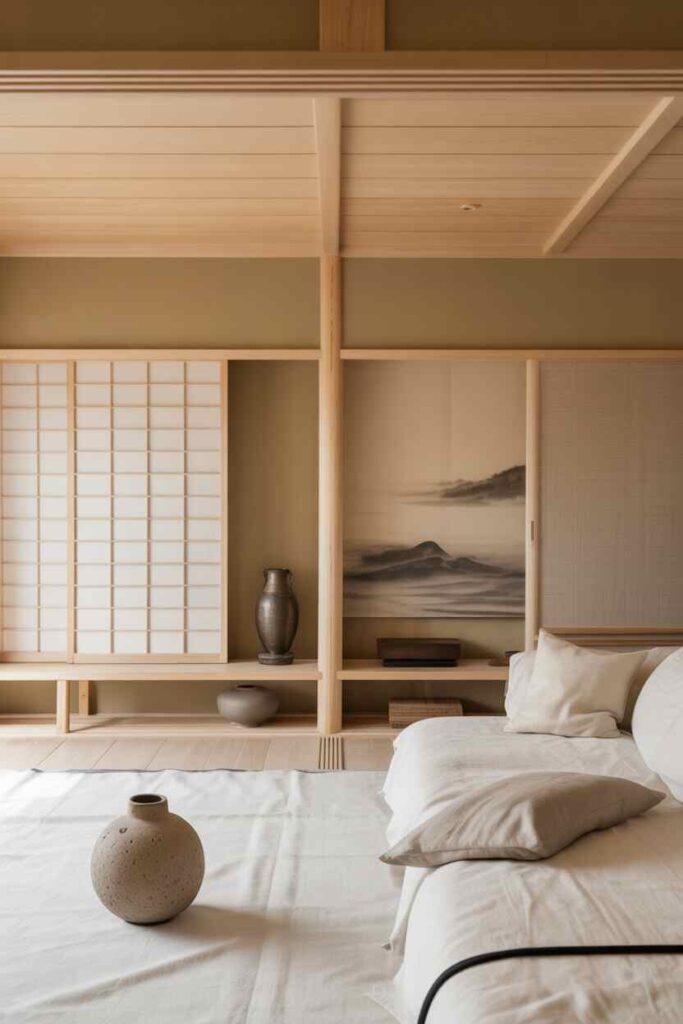
Japanese colors are deeply rooted in nature and tradition. Instead of bold contrast or flashy statements, the focus is on harmony. Colors are chosen to support calm living, mindfulness, and connection to the natural world. This is why Japanese interiors often feel timeless rather than trendy.
A true Japanese color guide is built around subtle variations of neutral and earthy tones. Whites are never stark, blacks are never harsh, and browns are soft and organic. These colors work together quietly, allowing texture, light, and craftsmanship to become part of the decor inspiration. This approach fits perfectly with modern interior design trends that prioritize comfort and simplicity over excess.
Read More About: The Ultimate French Parisian Color Guide Elegant Ideas, Timeless Inspiration, and Budget-Friendly Ways to Style Your Home
Core Neutral Shades in a Japanese Color Guide
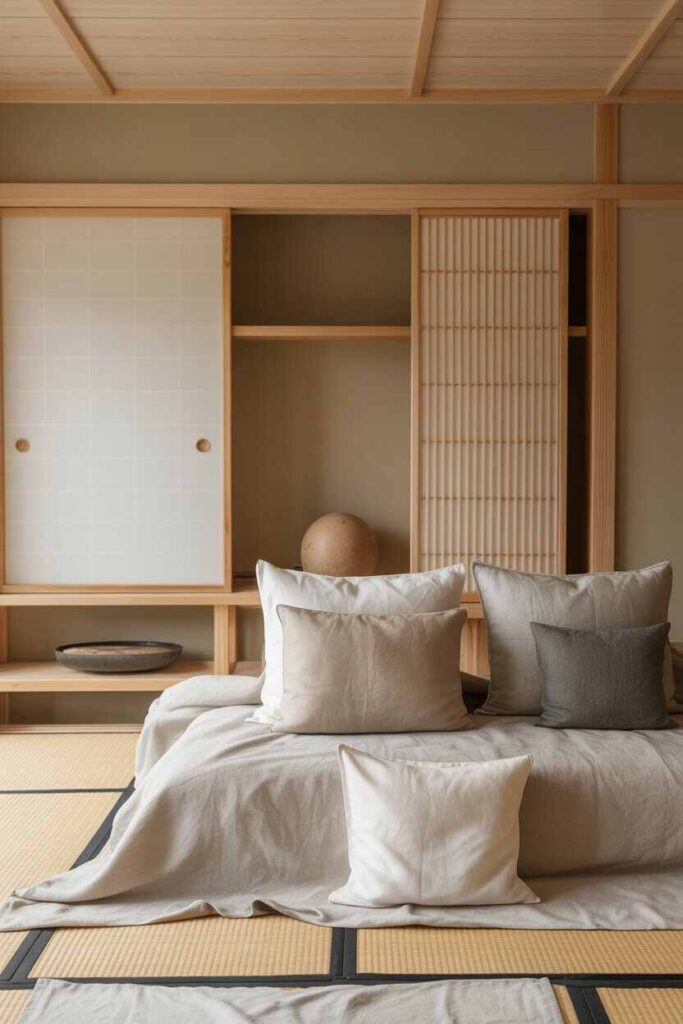
At the heart of Japanese interiors are layered neutrals. These tones form the backdrop for everything else, making them ideal for people who want a calm home that does not feel boring.
Soft ivory and warm off-white shades are commonly used on walls. These tones reflect light beautifully and make small rooms feel open and breathable. Unlike bright white, these colors feel lived-in and gentle, which is perfect for a cozy bedroom or a minimalist bathroom.
Warm beige and sand tones add depth without heaviness. They work especially well in living rooms and open spaces where you want continuity and flow. When used thoughtfully, these colors create a base that supports both traditional and modern interior styles.
Charcoal and muted black are also essential in a Japanese color guide, but they are used sparingly. Think of thin window frames, light fixtures, or furniture legs. These darker shades anchor the space and add contrast without overwhelming the calm atmosphere.
Nature-Inspired Earth Tones That Define Japanese Design
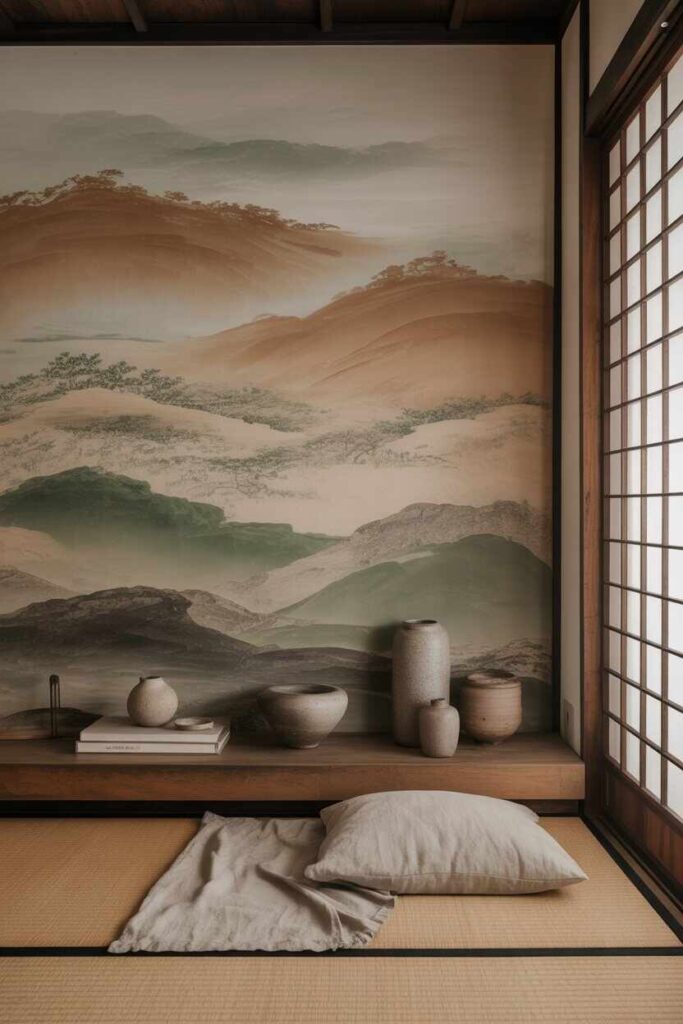
Japanese interiors draw constant inspiration from the outdoors. This connection to nature is reflected in the color palette, which often mirrors landscapes, seasons, and organic materials.
Soft wood tones like oak, cedar, and bamboo bring warmth and authenticity. These colors pair beautifully with neutral walls and help a space feel grounded. Even budget-friendly furniture can achieve this look when you focus on warm wood finishes rather than glossy or overly dark stains.
Stone-inspired grays and clay tones are another key element. These shades work wonderfully in kitchens and bathrooms, where they add a sense of calm while still feeling practical and clean. They are ideal for people who want a modern interior that still feels natural.
Muted greens inspired by moss, tea leaves, and bamboo are often used as accent colors. In a Japanese color guide, green is never loud. It is soft, calming, and closely tied to nature, making it perfect for DIY home decor projects like painted planters, cushions, or subtle wall accents.
The Role of Wabi-Sabi in Japanese Color Choices
One of the most beautiful aspects of Japanese design is the concept of wabi-sabi. This philosophy celebrates imperfection, aging, and authenticity. When applied to a Japanese color guide, it encourages softer tones and natural variations rather than perfectly uniform finishes.
Walls may have slight texture, wood may show grain and knots, and fabrics may look gently worn. Colors support this idea by being understated and forgiving. Taupe, greige, muted brown, and soft gray all work together to create a space that feels human and comforting.
This approach is especially appealing for people on a budget. Instead of chasing perfect finishes, you can embrace materials and colors that age gracefully and still look beautiful over time.
Read More About: Beautiful Fall Exterior Decor Ideas Cozy, Budget-Friendly Inspiration to Transform Your Home This Autumn
Japandi Style A Modern Twist on the Japanese Color Guide
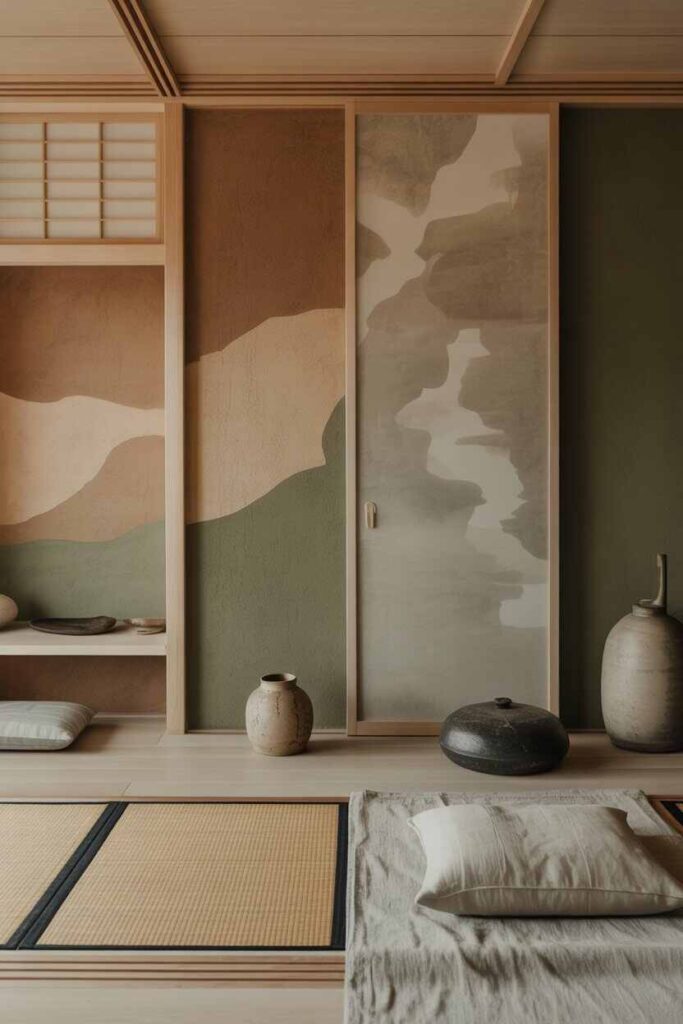
Japandi style blends Japanese calm with Scandinavian warmth, making it one of the most popular modern interior trends right now. A Japandi-inspired Japanese color guide includes warm neutrals, soft whites, and natural wood, with just enough contrast to feel contemporary.
In Japandi spaces, beige and light gray walls are often paired with darker wood furniture and black accents. The balance feels clean yet cozy, which is why it works so well in living rooms and dining areas. This style is perfect for Pinterest readers looking for design ideas that feel modern but still timeless.
Textiles play an important role here. Linen, cotton, and wool in muted shades add softness and comfort, helping the space feel welcoming rather than minimal to the point of coldness.
Using a Japanese Color Guide in the Living Room
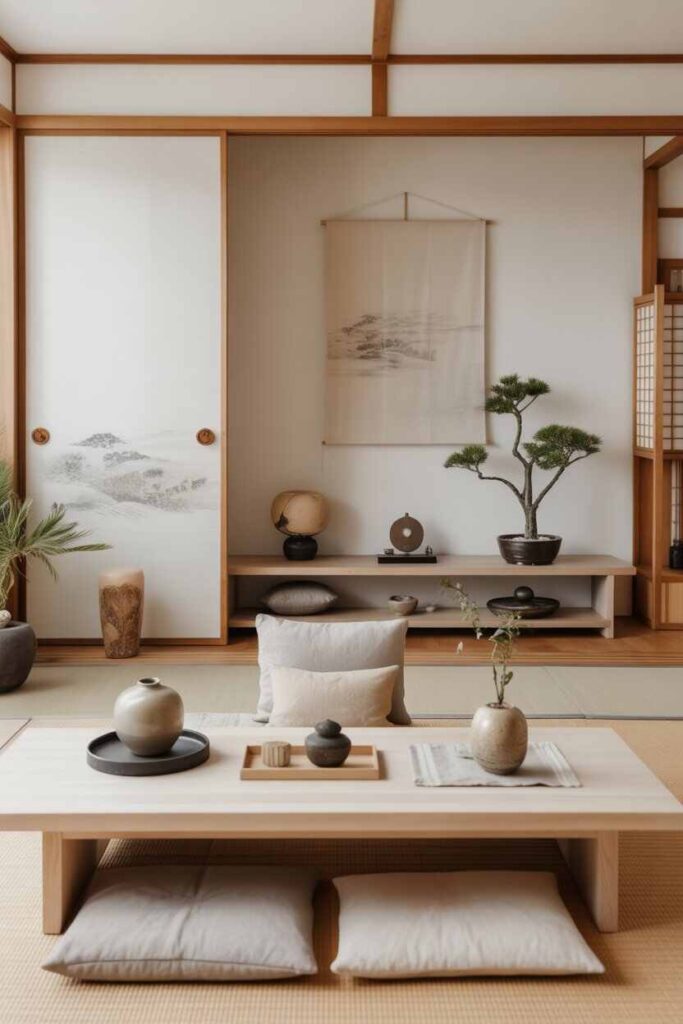
The living room is where Japanese colors truly shine. This space benefits from calm tones that encourage relaxation and connection. Soft neutral walls create a blank canvas, while wood furniture and textured fabrics bring warmth and depth.
A neutral sofa in beige or warm gray pairs beautifully with wood coffee tables and low-profile furniture. This layout reflects traditional Japanese design principles while still fitting modern lifestyles. Subtle accent colors, such as muted green cushions or earthy ceramic decor, add interest without breaking the calm aesthetic.
Lighting is essential here. Warm light enhances the softness of the colors and makes the room feel inviting, especially in the evening. This combination of color and light is key to creating a living room that feels both stylish and peaceful.
Japanese Color Guide Ideas for a Cozy Bedroom
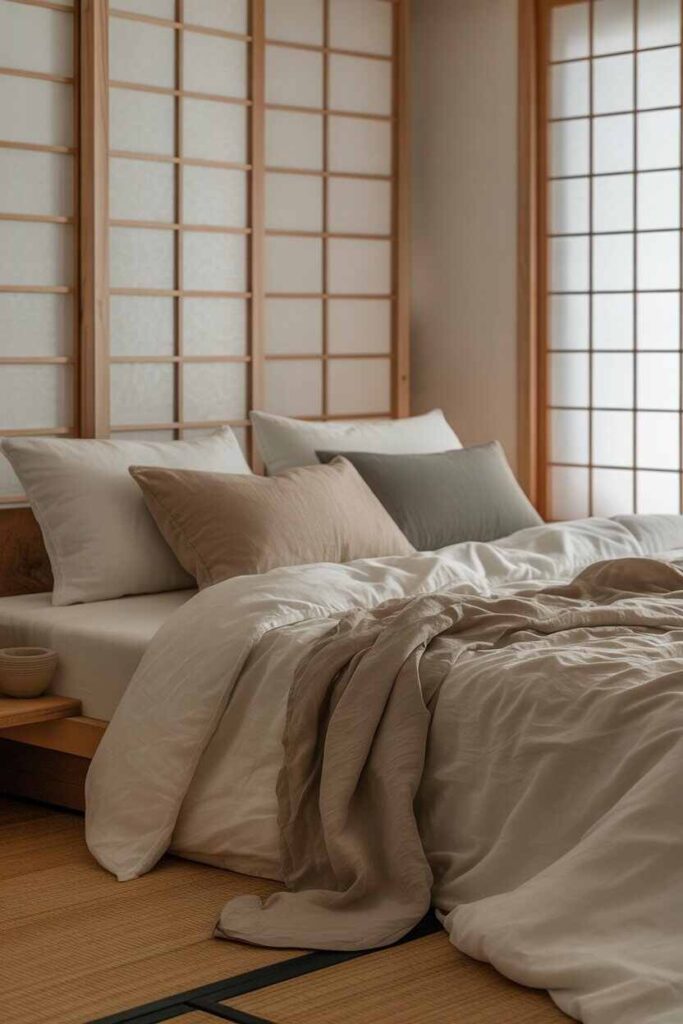
Bedrooms benefit greatly from Japanese color principles because the goal is rest and tranquility. Soft, warm neutrals are ideal for walls, creating a serene backdrop that helps you unwind.
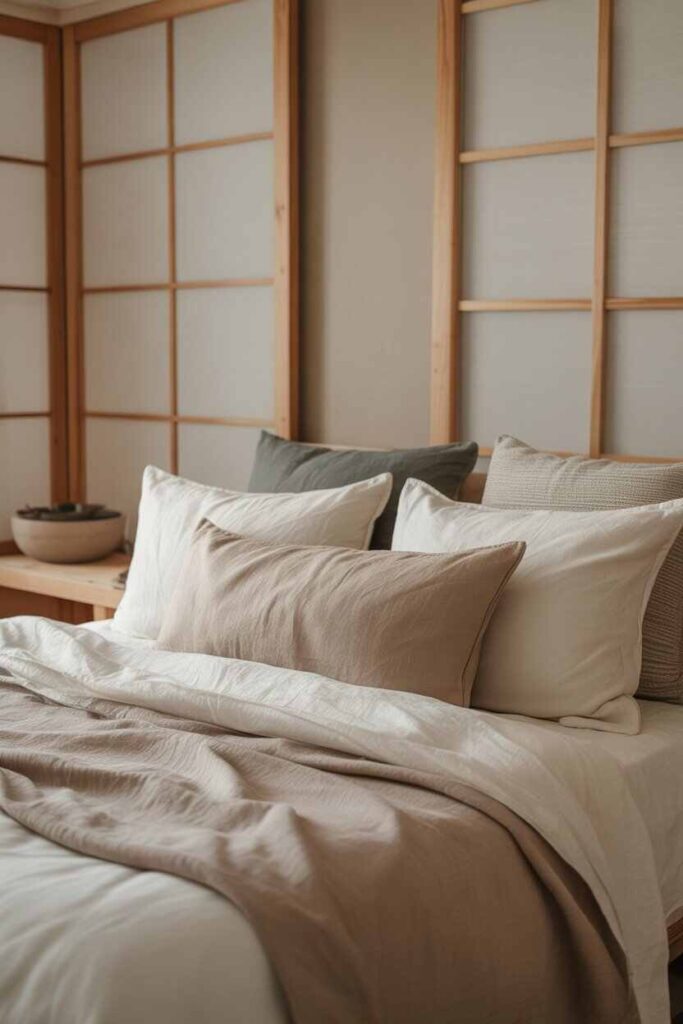
Layered textiles in natural shades add comfort and visual interest. Think linen bedding in off-white, light beige throws, and subtle wood tones in bed frames or side tables. These colors create a cozy bedroom that feels calm without feeling dull.
For those who want a bit of personality, gentle accent colors like blush-toned clay or muted sage can be introduced through decor inspiration pieces. The key is to keep everything soft and balanced.
Applying Japanese Colors in a Minimalist Bathroom
A minimalist bathroom is the perfect place to apply a Japanese color guide. Clean lines and natural colors work together to create a spa-like atmosphere.
Stone-inspired grays, soft whites, and warm wood accents are common choices. These colors feel fresh and calming, making daily routines more enjoyable. Even in small bathrooms, this palette can make the space feel larger and more peaceful.
Simple accessories in neutral tones complete the look. Avoid clutter and let the colors and textures speak for themselves. This approach aligns perfectly with modern interior trends focused on wellness and simplicity.
Kitchen Styling with Japanese Color Inspiration
Japanese-inspired kitchens are all about balance. Neutral cabinetry, warm wood finishes, and subtle contrast create a space that feels functional yet elegant.
Light beige or soft gray cabinets pair beautifully with wooden countertops or shelving. This combination feels modern and inviting, making it ideal for both small apartments and larger homes. Open shelving in natural wood adds warmth and allows you to display simple, functional items that double as decor inspiration.
For a farmhouse style twist, you can incorporate handmade ceramics or textured finishes that add character while still fitting the Japanese aesthetic.
Budget-Friendly Ways to Use a Japanese Color Guide
One of the best things about a Japanese color guide is how budget-friendly it can be. You do not need expensive furniture or renovations to achieve this look. Paint, textiles, and small decor changes can make a big difference.
Neutral paint colors are widely available and affordable, making them an easy starting point. Natural fabrics like cotton and linen are also accessible and instantly elevate a space. DIY home decor projects, such as simple wall art or handmade ceramics, fit perfectly with the Japanese philosophy of craftsmanship and simplicity.
By focusing on color harmony rather than expensive pieces, you can create a home that feels thoughtful and refined without overspending.
Styling Tips for Pinterest-Worthy Japanese Interiors
When styling for Pinterest, lighting and composition are just as important as color. Natural light enhances soft tones and brings out subtle textures, making photos feel airy and inviting.
Keep spaces uncluttered and intentional. Every item should have a purpose or meaning. This not only looks better in photos but also aligns with the Japanese approach to living mindfully.
Layering is key. Combine different shades of the same color family to create depth without visual noise. This technique makes your content stand out while staying true to the Japanese color guide aesthetic.
Read More About: Stunning Italian Office Designs Unique Ideas, Modern Inspiration, and Budget-Friendly Ways to Create an Elegant Workspace
Conclusion
A Japanese color guide is more than a decorating tool. It is a way of thinking about your home as a place of calm, balance, and intention. By choosing soft neutrals, nature-inspired tones, and thoughtful accents, you can create interiors that feel timeless, modern, and deeply comforting.
Whether you are styling a cozy bedroom, updating a minimalist bathroom, or refreshing your living space, these colors provide endless inspiration. Start small, trust subtlety, and let your home evolve naturally. Explore more design ideas, experiment with textures, and enjoy the peaceful beauty that Japanese color philosophy brings into everyday life.


