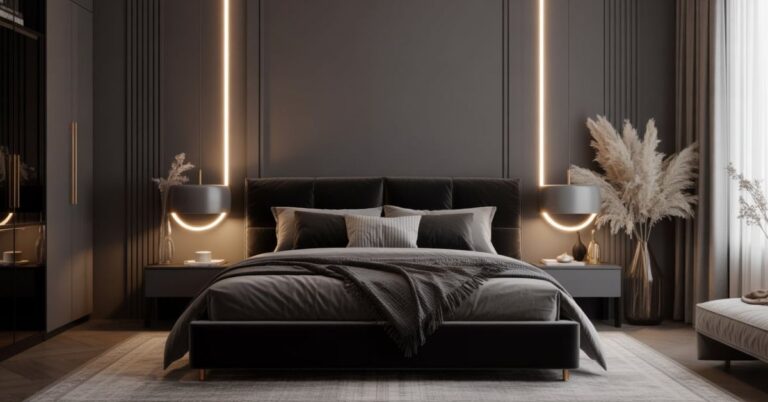
Minimalist Bedroom Ideas That Feel Cozy, Modern, and Surprisingly Budget-Friendly

A minimalist bedroom isn’t about living without personality or comfort. It’s about creating a space that feels calm, intentional, and restorative the moment you walk in. In a world that constantly feels busy and overwhelming, the idea of coming home to a bedroom that feels light, uncluttered, and peaceful is incredibly appealing. That’s exactly why the minimalist bedroom has become one of the most searched and saved bedroom styles on Pinterest.
If you’ve ever felt stressed by visual clutter, mismatched furniture, or rooms that never quite feel finished, this guide is for you. In this post, you’ll learn how to design a minimalist bedroom that still feels warm and inviting, not cold or empty. We’ll walk through colors, furniture, layouts, textures, lighting, and styling details that help you create a modern interior that supports rest and relaxation without sacrificing beauty.
This is practical decor inspiration written for real homes, real budgets, and real people. Whether you live in a small apartment, a family home, or you’re just craving a reset, these ideas will help you build a minimalist bedroom that feels effortlessly put together and deeply comforting.
What a Minimalist Bedroom Really Means Today
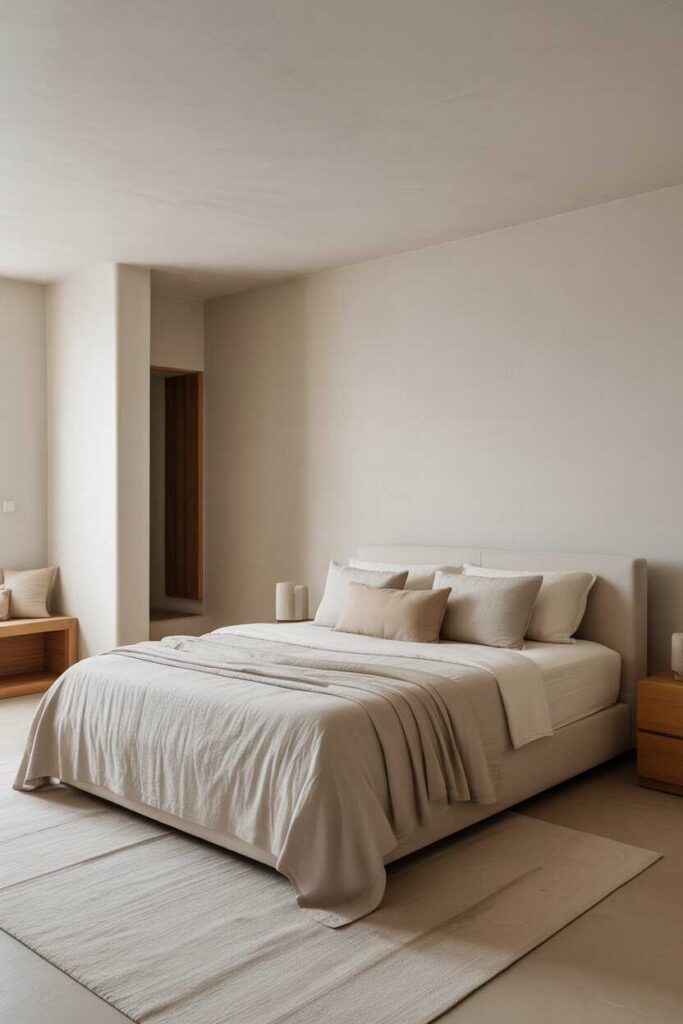
A minimalist bedroom today is not about stark white rooms or getting rid of everything you love. Instead, it focuses on clarity, balance, and intention. Minimalist bedroom design is about choosing fewer items, but making sure each one serves a purpose or brings joy. This mindset naturally creates a space that feels more peaceful and visually soothing.
Modern minimalism embraces warmth more than ever before. Natural materials, soft textures, and cozy details now play a big role in making minimalist bedrooms feel livable. The emphasis is on quality over quantity, neutral tones over loud patterns, and layouts that encourage rest rather than distraction.
What makes this style so appealing is how flexible it is. A minimalist bedroom can lean modern, Scandinavian, Japandi, or even slightly farmhouse style, depending on the materials and textures you choose. The foundation remains the same: simplicity, comfort, and thoughtful design ideas that make everyday life feel easier.
Read More About: Mastering Modern French Country Bedrooms Cozy, Budget-Friendly Ideas & Timeless Inspiration
Choosing the Right Color Palette for a Minimalist Bedroom
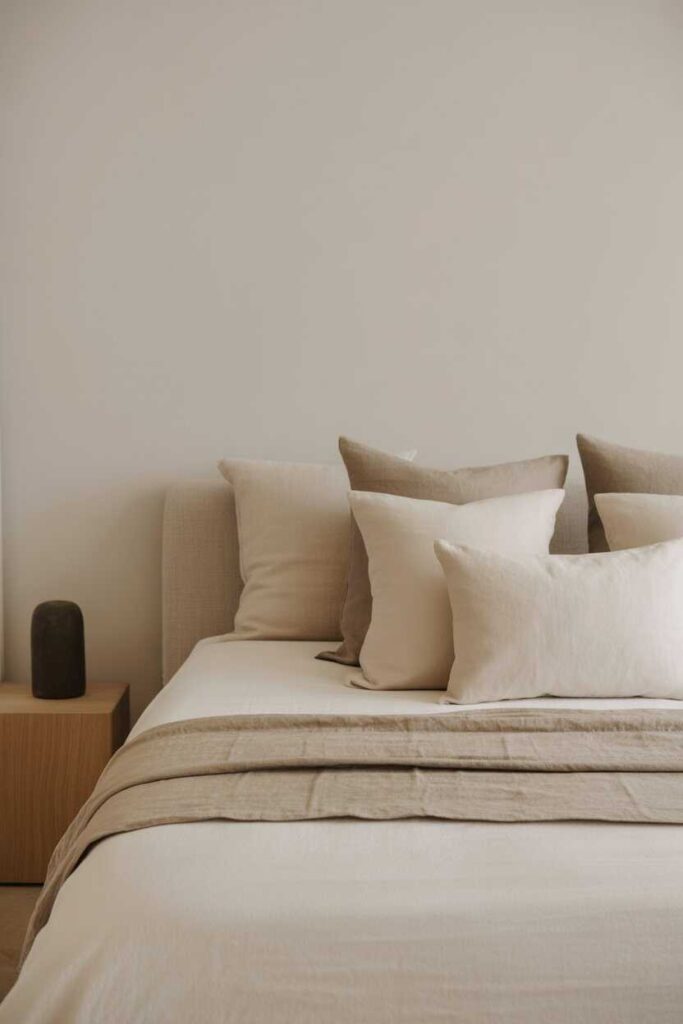
Color is the backbone of any minimalist bedroom. The right palette instantly sets the mood and determines whether the room feels calm or chaotic. Neutral colors work best because they reflect light, visually expand the space, and create a timeless backdrop.
Soft whites, warm creams, gentle beiges, and light grays are popular choices for walls because they create an airy, peaceful atmosphere. These shades allow furniture and textures to stand out subtly rather than compete for attention. Avoid overly cool whites if you want a cozy bedroom feel, and instead opt for warmer undertones that feel inviting.
Layering similar tones adds depth without clutter. A beige wall paired with slightly darker bedding and lighter curtains creates visual interest while staying cohesive. For those who want a hint of color, muted earth tones like sage green, clay, or dusty blue can be introduced through textiles or decor while maintaining a minimalist aesthetic.
Read More About: Mid Century Modern Color Palette Ideas Worth Copying Timeless Inspiration for a Warm, Modern Home
Minimalist Bedroom Furniture That Feels Light and Functional
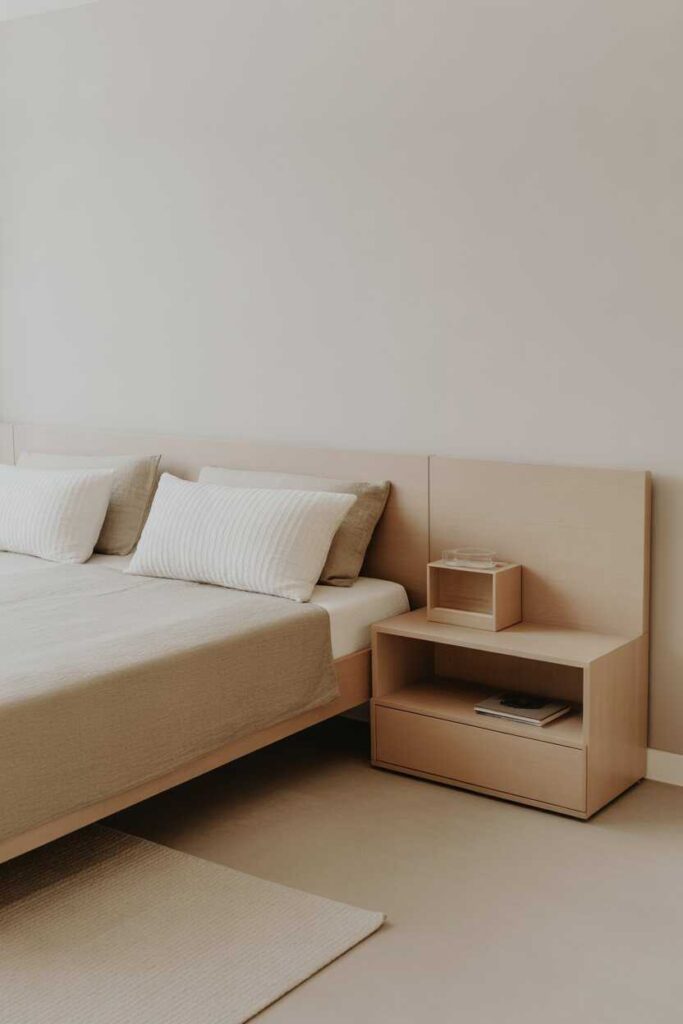
Furniture choices can make or break a minimalist bedroom. The key is to choose pieces that feel visually light and serve a clear purpose. A low-profile bed with clean lines instantly anchors the room without overpowering it. Upholstered or wood frames work beautifully, especially when paired with neutral bedding.
Nightstands should be simple and practical. A single drawer or open shelf is often enough to hold essentials while keeping surfaces clear. Matching nightstands create symmetry and calm, while slightly mismatched ones can add character if they share similar tones or shapes.
Dressers and wardrobes should blend into the space rather than dominate it. Flat-front drawers, subtle hardware, and natural finishes help maintain a clean look. Avoid oversized furniture that crowds the room, as minimalism thrives on negative space and ease of movement.
Creating a Cozy Bed Setup Without Clutter
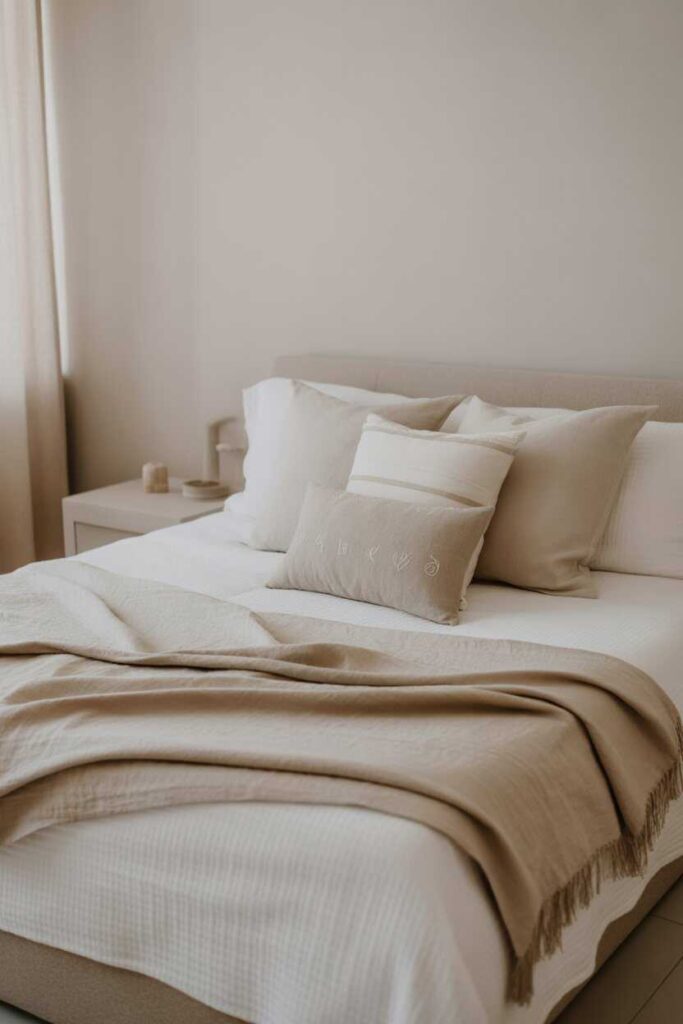
The bed is the heart of a minimalist bedroom, and it’s where comfort matters most. Minimalist bedding doesn’t mean boring. It means choosing textures and layers that feel intentional and soothing.
Start with high-quality sheets in neutral tones. Cotton or linen adds softness and breathability while enhancing the relaxed aesthetic. A simple duvet or quilt in a solid color keeps the look clean, while subtle texture adds interest.
Instead of piling on pillows, choose a few well-proportioned ones that support both sleep and style. A neatly folded throw at the foot of the bed adds warmth and dimension without overwhelming the space. This balance is what makes minimalist bedrooms feel curated rather than empty.
Lighting That Enhances Calm and Simplicity
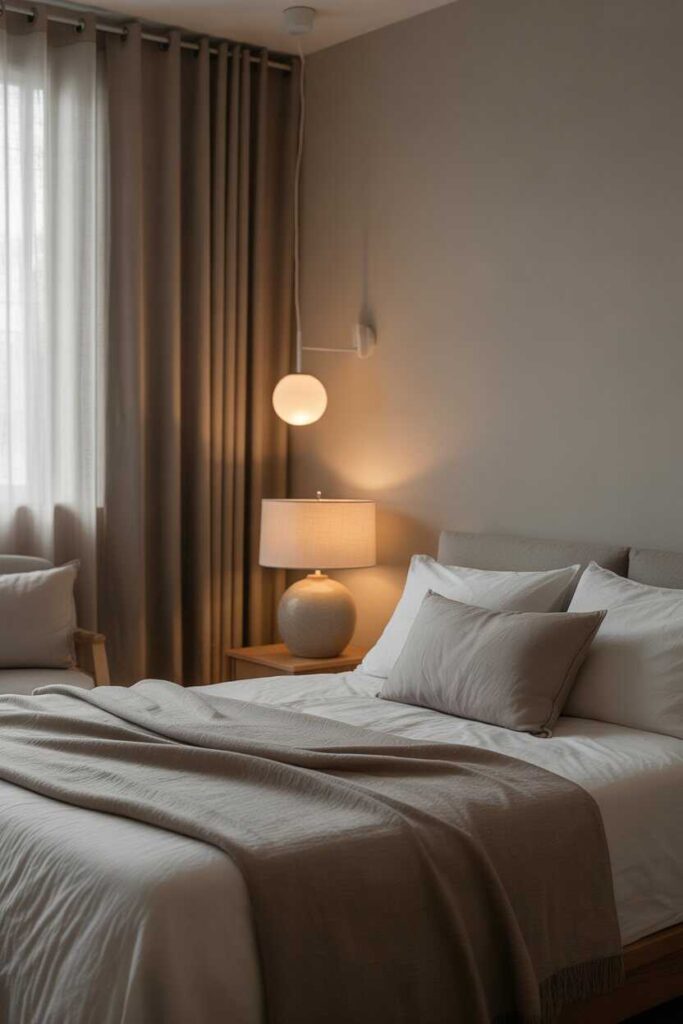
Lighting plays a powerful role in shaping the mood of a minimalist bedroom. Soft, warm light creates a calming environment that supports rest and relaxation. The goal is to avoid harsh overhead lighting and instead layer gentle light sources throughout the room.
Bedside lamps with simple shapes and neutral shades provide functional lighting while maintaining visual harmony. Wall-mounted sconces are a great option for small bedrooms, freeing up surface space and reinforcing a clean, modern interior.
Natural light should be maximized whenever possible. Sheer curtains or light-filtering blinds allow sunlight to fill the room without compromising privacy. This natural glow enhances neutral tones and makes the space feel open and serene.
Wall Decor That Adds Interest Without Overwhelm
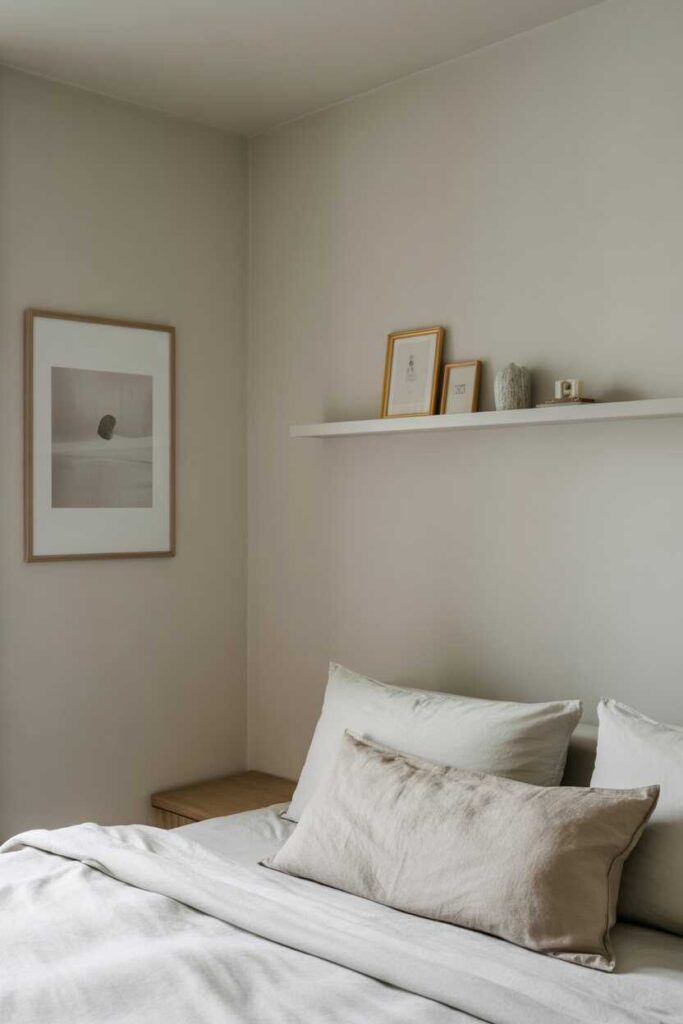
Wall decor in a minimalist bedroom should feel intentional and restrained. One or two thoughtfully chosen pieces can have more impact than an entire gallery wall. Large-scale art in neutral tones works especially well, creating a focal point without visual noise.
Abstract prints, soft landscapes, or line art complement minimalist interiors beautifully. Frames should be simple and cohesive with the rest of the room, often in wood, black, or white finishes.
Mirrors are another powerful tool. A well-placed mirror reflects light and visually expands the room while maintaining simplicity. Choose shapes that feel organic or softly structured to keep the space feeling calm and balanced.
Minimalist Storage Solutions That Keep the Room Peaceful
Clutter is the enemy of a minimalist bedroom, which makes smart storage essential. The best storage solutions are the ones you don’t immediately notice. Under-bed storage, built-in closets, and furniture with hidden compartments help maintain a clean look.
Open storage should be styled sparingly. If shelves are visible, keep items grouped and limited to essentials or decor that fits the neutral palette. Consistency in storage containers also helps create visual harmony.
Regularly editing what you keep in your bedroom is part of minimalist living. Keeping only what you use and love ensures the space continues to feel restful and intentional over time.
Adding Warmth Through Texture and Natural Materials
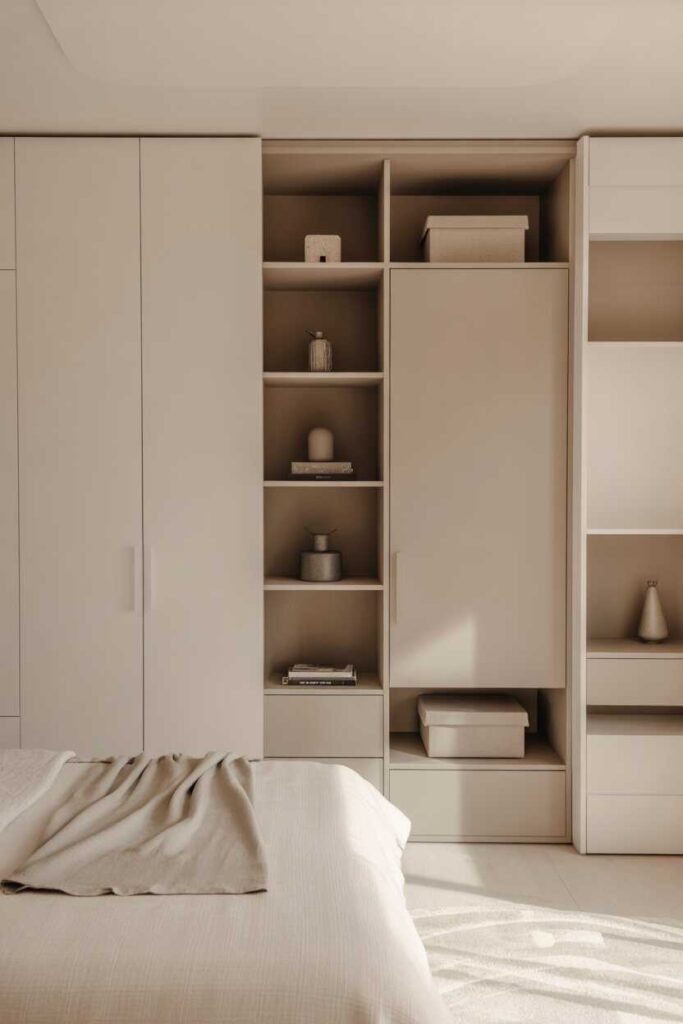
One common fear about minimalist bedrooms is that they’ll feel cold. Texture is the solution. Layering natural materials like wood, linen, wool, and cotton instantly adds warmth and comfort.
A wood headboard, woven rug, or ceramic decor piece introduces subtle contrast and visual interest. Even small details like textured pillowcases or a soft area rug can transform the room’s feel.
Plants are another beautiful way to soften minimalist spaces. A single potted plant or trailing greenery adds life and freshness without cluttering the room. This connection to nature enhances the calming effect of the space.
Budget-Friendly Minimalist Bedroom Ideas That Actually Work
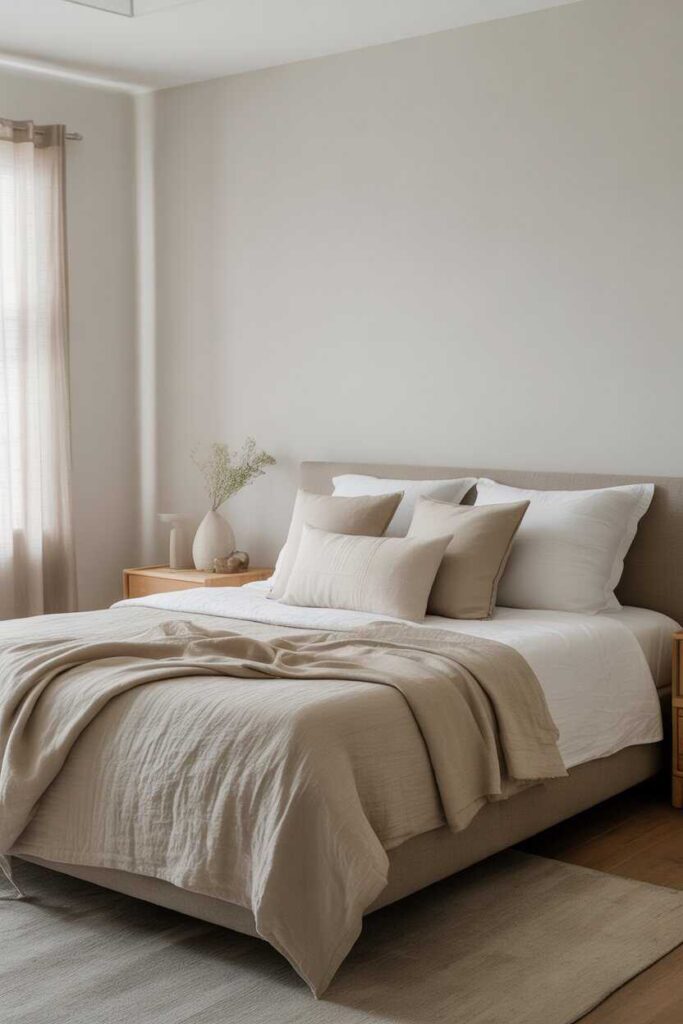
Creating a minimalist bedroom doesn’t require expensive furniture or a full renovation. Many of the most effective changes are simple and affordable. Decluttering alone can dramatically improve how the room feels.
Updating bedding, switching to warm lighting, or painting walls in a soft neutral can instantly refresh the space. Thrifted furniture with clean lines often fits minimalist design perfectly and adds character without cost.
DIY home decor projects like simple art, refinished furniture, or handmade textiles allow you to personalize the room while staying within budget. Minimalism is less about spending and more about intention.
Why Minimalist Bedrooms Are Perfect for Modern Living
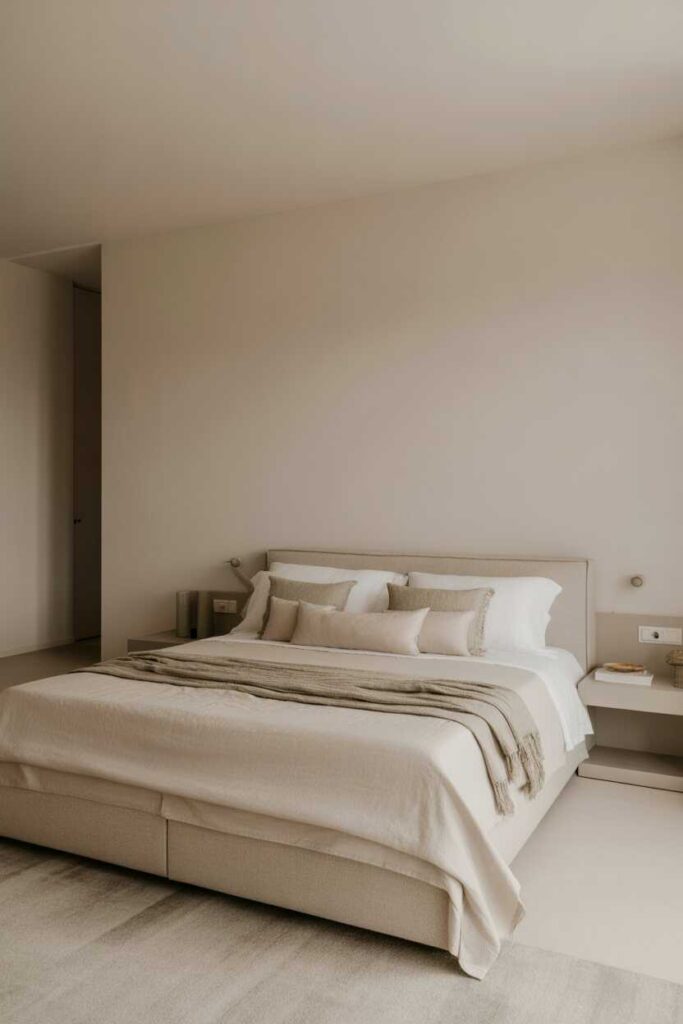
The reason the minimalist bedroom continues to grow in popularity is simple. It supports better rest, clearer thinking, and a calmer lifestyle. By reducing visual noise and focusing on essentials, the bedroom becomes a true retreat from daily stress.
This design approach adapts beautifully to different homes and styles. Whether you love modern interiors, cozy bedrooms, or subtle farmhouse style touches, minimalism provides a flexible foundation that grows with you.
When your bedroom feels peaceful, it affects how you start and end each day. That’s the true power of thoughtful design.
Read More About: Spring Bedroom Ideas Worth Looking At Fresh, Budget-Friendly Inspiration to Transform Your Space
Final Thoughts
Designing a minimalist bedroom is not about perfection. It’s about creating a space that feels aligned with how you want to live and rest. Start small, make intentional choices, and allow the room to evolve naturally.
Use these ideas as inspiration, save what speaks to you, and focus on creating a bedroom that feels calm, cozy, and uniquely yours. A minimalist bedroom isn’t just a design trend. It’s a lifestyle shift toward simplicity, comfort, and clarity.