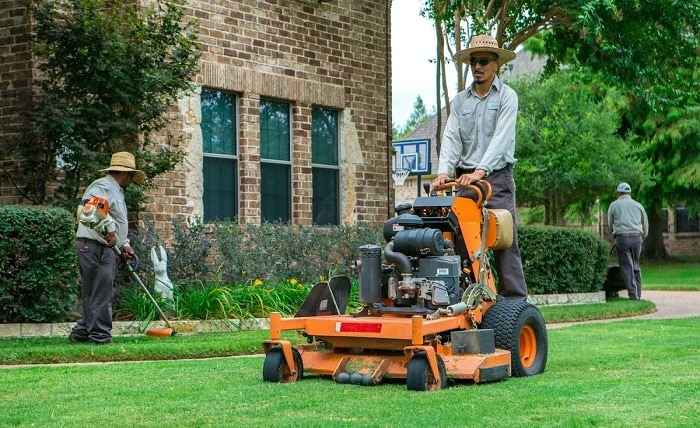
North Texas summers are relentless. Temperatures routinely climb past 100 degrees, rainfall arrives in unpredictable bursts, and long dry stretches can turn a healthy lawn into a patchy mess within weeks. For homeowners who want a yard that looks good without consuming every weekend, the answer is not to work harder but to plan smarter from the start.
Low-maintenance does not mean no maintenance. It means making decisions upfront, about grass selection, soil preparation, watering habits, and yard design that reduce the ongoing work required to keep things looking decent.
Understand Your Yard Before Choosing Your Grass
Before ordering sod or seed, walk the property and take notes. What you observe in a single afternoon can save months of frustration.
What to Look For
Spend time identifying which parts of the yard get full sun, which fall under shade from trees or structures, and how that changes throughout the day. Note areas where water pools after rain, spots where the soil feels hard and compacted, and sections that get heavy foot traffic from kids, pets, or worn footpaths.
Why It Matters
Different parts of the same yard often have different growing conditions. A grass variety that thrives along the south-facing fence line may struggle under the oak tree in the corner. Matching the grass to the actual conditions of each zone, rather than treating the whole yard as one environment, is one of the most effective ways to reduce future problems.
According to the North Texas Municipal Water District, nearly 50% of landscape water is wasted due to overwatering, inefficient watering, or broken and poorly maintained sprinkler systems. That figure reflects what happens when homeowners skip the evaluation step and rely on guesswork. Understanding your yard first puts you in a better position to water correctly and choose plants that fit.
Choose Grass That Fits the Climate
Grass selection has a bigger impact on long-term maintenance than almost any other decision. Varieties that are not suited to the local climate require more water, more repairs, and more attention during heat stress.
Warm-season grasses are the standard choice for North Texas, and for good reason. They handle heat well, go dormant rather than dying outright during dry spells, and recover when conditions improve.
Why Zoysia Is Worth Considering
Zoysia is a warm-season option that tends to work well for homeowners who want a dense, attractive lawn with fewer inputs. It performs strongly in heat and drought, tolerates more shade than bermudagrass, grows more slowly (which means less frequent mowing), and requires less fertilizer. That combination makes it appealing for yards where the owner wants to cut routine tasks without sacrificing appearance.
Selecting the Right Variety
Not all Zoysia varieties perform the same way. Some handle shade better, others establish faster, and some are more tolerant of clay soils. Checking out the available types of Zoysia grass before buying helps match the specific variety to the specific property rather than treating all Zoysia as interchangeable.
Other Factors to Weigh
Before committing to any variety, consider sunlight exposure, soil drainage, how much the lawn will be used, and whether an irrigation system is in place. A grass that works beautifully in a sunny, well-drained front yard may underperform in a shaded backyard with heavy clay. Worth thinking through before you spend money on sod.
Improve the Soil Before Focusing on the Grass
Healthy soil produces stronger grass. In North Texas, the predominant soil type is a heavy black clay that absorbs water slowly and compacts with regular foot traffic or heavy equipment. Poor soil leads to weak root development, bare spots, standing water, and higher watering demands.
Before installation, consider getting a basic soil test. It will tell you the pH level, nutrient content, and whether amendments are needed. Compacted soil benefits from aeration, which opens channels for water and air to reach the root zone. Adding organic matter, such as compost, improves drainage in clay-heavy areas and helps the soil retain moisture more evenly in sandier spots.
Preparing the soil before laying sod or spreading seed is not glamorous work. But it prevents a long list of problems that are far harder to fix after the grass is established.
Mow According to Your Grass Type
Cutting too short is one of the most common mistakes homeowners make. Scalping the lawn removes the leaf blade the grass uses for photosynthesis and exposes the soil to direct sun, which speeds up moisture loss and creates openings for weeds.
Each grass variety has a recommended mowing height. Staying within that range, rather than cutting as short as possible, keeps the grass healthier during heat stress. Removing no more than one-third of the blade at a time is a reliable rule regardless of variety. Sharp mower blades matter too. Dull blades tear the grass rather than cutting it cleanly, leaving ragged edges that are more susceptible to disease.
Mowing frequency naturally drops in the heat of summer and again in fall as growth slows. Adjust the schedule to match what the grass is actually doing rather than sticking to a fixed interval.
Create a Simple Seasonal Maintenance Routine
Even a well-planned, low-maintenance lawn needs consistent attention through the year. The key is keeping tasks small and regular rather than letting things pile up.
Spring is the time to check irrigation systems, apply pre-emergent weed control, and begin fertilizing as the grass comes out of dormancy. Summer calls for monitoring stressed areas, adjusting watering based on rainfall, and keeping up with mowing. Fall is the right time to address bare spots, cut back fertilizer applications, and prepare the lawn for cooler temperatures. Winter requires minimal effort beyond occasional checks for damage or pest activity.
Avoid Common Lawn Care Mistakes
A few recurring mistakes account for most of the extra work homeowners end up doing. Avoiding them from the start makes the whole process easier.
- Overwatering – more water does not equal a healthier lawn. It encourages shallow roots and disease.
- Mowing too short – scalping stresses the grass and invites weeds.
- Choosing grass based on appearance alone – how a variety looks in a photo matters less than how it performs in your specific conditions.
- Ignoring shade and drainage – planting a sun-loving variety in a shaded, poorly drained area guarantees problems.
- Installing more lawn than the property needs – extra grass means extra work with no added benefit.
- Using the same routine year-round – seasonal adjustments are not optional. The lawn’s needs change, and the routine should follow.
The Bottom Line
The goal was never a perfect lawn but a lawn that fits North Texas conditions and does not require constant intervention to stay looking reasonable. That starts with an honest evaluation of the property, selecting grass suited to the actual growing conditions, preparing the soil before installation, and building efficient watering and mowing habits from day one. Following seasonal routines and avoiding the most common mistakes completes the picture.
Done right, a North Texas lawn can be something a homeowner actually enjoys rather than dreads.