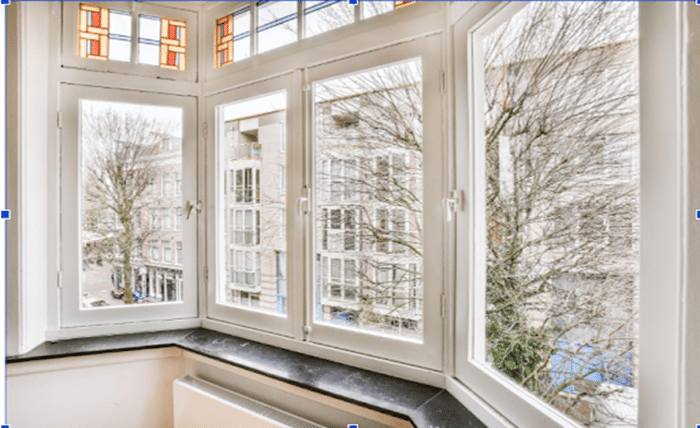
Home renovation content isn’t exactly what people come here for, but every so often a project falls into that category of “things worth understanding before you sign a quote.” Windows are one of them, and double-hung is the style most homeowners end up with without ever really deciding on it. Here’s what actually matters if you’re weighing one for your next project.
What Makes a Window “Double-Hung” in the First Place
A double-hung window has two sashes, the upper and lower panels of glass, that both slide vertically within the frame. That’s the defining feature: both halves move, unlike a single-hung window where only the bottom sash slides. It’s the classic look most people picture when they think “traditional house window,” and it shows up everywhere from century-old homes to brand-new builds because the design has simply held up.
Why It’s Stayed Popular for So Long
Part of the appeal is practical. Because both sashes open, you can crack the top and bottom simultaneously to create natural airflow, pulling cooler air in low and pushing warmer air out high. That’s a genuinely useful feature in climates with long, hot stretches. The other part is aesthetic. Double-hung windows read as classic and versatile enough to fit a craftsman bungalow, a colonial, or a modern farmhouse without looking out of place in any of them.
They’re also easier to clean than a lot of people expect. Most modern double-hung windows tilt inward, which means you can wash the exterior glass from inside the house instead of hauling out a ladder.
Where the Trade-offs Show Up
No window style is perfect, and double-hung has its own set of considerations. The moving parts, balances, springs, and tracks, mean there’s slightly more mechanically that can wear out over time compared to a fixed or casement window. And because the design relies on two operable sashes rather than one solid pane, double-hung windows can be marginally less airtight than some alternatives if the seals aren’t well maintained.
None of this makes the style a bad choice. It just means the quality of the window and the installation matter more than the style label on its own.
If You’re Working With an Older Home
If your home already has double-hung windows and they’re original to the building, replacement isn’t always the first move worth considering. The National Park Service’s preservation guidance on historic wooden windows makes the case that repair is often more cost-effective than full replacement, and that a well-maintained original window can perform close to a new one once properly weatherstripped and sealed. Worth a read before assuming an old window automatically needs to go.
What to Check Before You Buy New
If replacement is genuinely the right call, energy performance is the number that actually matters, more than the finish or the hardware color. The U.S. government’s ENERGY STAR program for windows, doors, and skylights lays out which certified products meet efficiency standards for your specific climate zone, since a window that performs well in a cold northern winter isn’t necessarily the right spec for a hot, humid summer. Replacing old single-pane windows with certified options can meaningfully lower a home’s energy bills, which is worth factoring into the cost of the project rather than treating it as a purely cosmetic upgrade.
For anyone weighing the decision in more technical detail, this breakdown of what you need to know about double hung windows covers the construction and buying considerations in more depth than a quick overview like this one can.
The Takeaway
Double-hung windows earned their staying power honestly: good airflow, a classic look, and easier maintenance than most alternatives. Whether the right move is repairing what’s already there or replacing it with something newer really comes down to the condition of what you’ve got and how the project fits into the rest of the house, not which style happens to be trending this year.