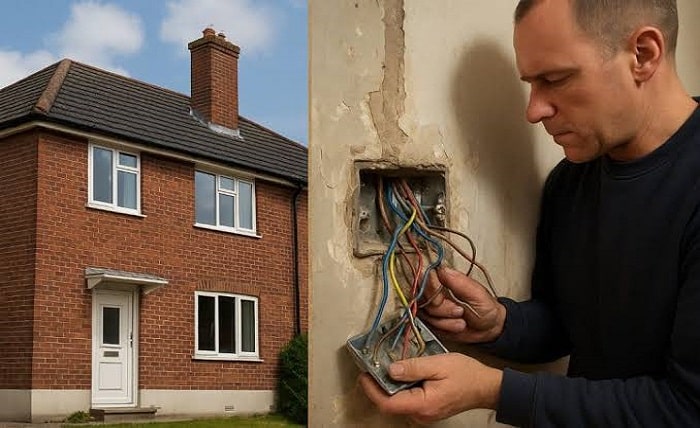
Older homes can have a charm that newer houses struggle to replicate. High ceilings, large windows, solid wood features, and unique architectural details can make an older property feel warm and inviting.
But that character can come with an unexpected downside: higher energy consumption.
If you live in an older house and wonder why your electricity bill seems unusually high, the age of the property itself may not be the only issue. Older homes often lack the insulation, efficient windows, modern appliances, and updated heating and cooling systems found in newer construction.
The good news is that you don’t necessarily need to renovate the entire house to improve its energy efficiency. Understanding where energy is being lost can help you prioritize improvements that make the biggest difference.
Poor Insulation Lets Conditioned Air Escape
One of the biggest reasons older houses can use more electricity is inadequate insulation.
Insulation helps slow the transfer of heat between your home and the outdoors. In an older property, insulation may be thin, damaged, settled, or completely absent in certain areas. The U.S. Department of Energy’s guide to insulating older homes explains how proper insulation can improve comfort and reduce energy use.
During summer, cool air can escape while outdoor heat enters the home. During winter, heated air can escape while cold outdoor air finds its way inside.
As a result, your heating and cooling system has to run longer to maintain a comfortable indoor temperature.
Adding insulation to the attic is often a practical place to start because heat can easily move through the roof area when insulation is insufficient.
Older Windows Can Create Major Energy Losses
Older homes frequently have single-pane windows or aging frames with air leaks.
Windows can allow heat to move between the inside and outside of your home, forcing your HVAC system to work harder.
You don’t always need to replace every window immediately. Simple improvements such as weatherstripping, caulking, curtains, and window treatments can help reduce drafts and heat transfer.
If replacement becomes necessary, energy-efficient windows can provide better insulation and reduce unwanted heat gain and loss.
Drafty Doors and Other Air Leaks
Small gaps around doors, windows, vents, pipes, and electrical outlets may not seem important, but they can add up.
Air leaks make it harder for your HVAC system to maintain a consistent indoor temperature.
A simple way to identify drafts is to inspect areas around exterior doors and windows on a windy day. You may also notice cold or warm spots around certain parts of the house.
Weatherstripping and caulk are relatively inexpensive solutions that can improve comfort while reducing unnecessary heating and cooling.
Older HVAC Systems Can Consume More Electricity
Heating and cooling systems naturally become less efficient as they age.
An older air conditioner may need more electricity to produce the same amount of cooling as a newer high-efficiency system. Aging components, clogged filters, refrigerant issues, and poor maintenance can make the problem worse.
If your HVAC system runs constantly but your home still feels uncomfortable, it may be worth having it inspected by a qualified professional.
Regular maintenance can also help an existing system operate more efficiently and extend its useful life.
Outdated Appliances May Be Energy Hogs
Older houses often contain older appliances as well.
Refrigerators, freezers, washing machines, dryers, dishwashers, and electric water heaters can consume substantial amounts of electricity.
An appliance doesn’t have to be broken to be inefficient. Older models may simply use more energy than modern energy-efficient alternatives.
If you’re considering replacing an appliance, look beyond the purchase price. Check its estimated annual energy consumption to understand how much it may cost to operate over its lifetime.
Older Lighting Can Increase Electricity Use
Lighting technology has improved significantly over the years.
Traditional incandescent bulbs use much more electricity than modern LED bulbs. If an older home still has many incandescent fixtures, replacing frequently used bulbs with LEDs can be a relatively inexpensive way to reduce electricity consumption.
You don’t have to replace every bulb at once. Start with lights that are used for several hours each day.
Older Water Heaters May Need More Energy
Water heating can be another significant source of household energy consumption.
Older electric water heaters may have less efficient insulation or heating components. Sediment buildup can also affect performance in some systems.
Simple maintenance and appropriate temperature settings can help. If the water heater is reaching the end of its useful life, comparing newer efficient models may be worthwhile.
Older Homes Can Have Unique Energy Challenges
Every older home is different.
A house built decades ago may have been designed before modern energy efficiency standards became common. However, renovations, previous upgrades, and maintenance can make a major difference.
Two homes of the same age can have completely different electricity consumption depending on their insulation, windows, appliances, HVAC equipment, and household habits.
This is why it’s better to identify specific energy problems rather than assuming that age alone is responsible for a high bill.
What About Other Energy Sources?
Some older homes use a combination of electricity and other fuels for heating, cooking, or water heating. If you’re comparing overall household energy costs, you may encounter information about atlanta natural gas rates or other local fuel prices when evaluating different heating and energy options.
The important thing is to look at your home’s total energy use rather than focusing on electricity alone. The cheapest option depends on your equipment, local rates, efficiency, and how much energy your household actually consumes.
How to Make an Older Home More Efficient
You don’t need to tackle everything at once.
Consider starting with these practical improvements:
- Inspect and improve attic insulation.
- Seal drafts around doors and windows.
- Replace frequently used incandescent bulbs with LEDs.
- Maintain your HVAC system and replace filters regularly.
- Check the condition of older appliances.
- Use curtains or blinds to manage sunlight.
- Inspect ductwork for leaks.
- Consider an energy audit if you’re unsure where your home is losing energy.
An energy audit can help identify areas where your home is wasting energy and allow you to prioritize improvements based on potential savings.
Frequently Asked Questions
Do old houses always use more electricity?
No. Age alone doesn’t determine energy consumption. An older house that has been properly renovated and insulated can be more efficient than a poorly maintained newer home.
Why are old houses harder to heat and cool?
Older homes may have less insulation, drafty windows, air leaks, inefficient HVAC systems, and older construction methods that weren’t designed around modern energy efficiency standards.
What is the cheapest way to make an old house more energy efficient?
Sealing obvious air leaks, improving insulation, replacing frequently used incandescent bulbs with LEDs, and maintaining HVAC equipment are often relatively affordable starting points.
Should I replace all the windows in an old house?
Not necessarily. Window replacement can be expensive. Weatherstripping, caulking, curtains, and other improvements may provide useful benefits before full replacement becomes necessary.
Can old appliances make my electricity bill higher?
Yes. Older appliances can use significantly more electricity than modern efficient models, particularly refrigerators, air conditioners, water heaters, and clothes dryers.
Is an energy audit worth it for an old house?
It can be. An energy audit can help identify insulation problems, air leaks, inefficient equipment, and other sources of energy waste. This can help you avoid spending money on upgrades that provide little benefit.
Final Thoughts
Old houses don’t necessarily have to come with high electricity bills. However, many older properties have features that can make heating, cooling, lighting, and everyday appliance use less efficient.
The key is to identify where your home is losing or wasting energy. Improving insulation, sealing drafts, maintaining HVAC equipment, upgrading inefficient appliances, and switching to LED lighting can all help reduce unnecessary electricity consumption.
You don’t have to modernize your entire house overnight. Start with the areas that have the greatest impact, make improvements gradually, and pay attention to how your energy use changes. With the right upgrades and habits, an older home can remain comfortable, affordable, and energy efficient for many years to come.