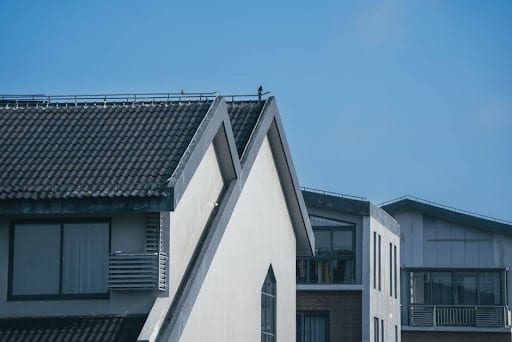
Your roof does more for your home’s look than most people realize. It takes up a huge chunk of what anyone sees from the street, yet it’s often treated like a boring necessity instead of a design decision. If you care about decor trends, curb appeal, and the feel of your space, your roof deserves a spot in the conversation. The trick is balancing style with weather resistance, cost, and maintenance so your home doesn’t end up looking great on Instagram but struggling in real life.
Your Roof Is Part of Your Decor Story
When you think about home decor, you probably picture paint colors, lighting, furniture, and maybe that one accent wall everyone suddenly wanted. Roofing rarely gets the same attention, even though it sets the tone before anyone steps inside.
A sleek dark roof can make a modern exterior feel sharper and more intentional. Warm brown or weathered wood-tone shingles can soften a farmhouse or traditional home. Lighter shades often help coastal or sun-heavy homes feel airy instead of visually heavy.
You’re not just picking a material that keeps rain out. You’re choosing texture, color, and shape that affect siding, trim, stonework, landscaping, and even resale impressions. Real estate photos make this painfully obvious. A mismatched roof can drag down a beautiful exterior faster than outdated shutters.
Design trends also move in cycles. High-contrast palettes, matte finishes, and mixed-material exteriors have become more popular. Your roof needs to work with those trends without chasing them so hard that your home feels dated in five years. Think of it as the biggest accessory your house wears every day.
Trendy Roofing Looks Need Real-World Backup
A roof that looks amazing in a mood board still has to survive heat, wind, rain, debris, and seasonal wear. That tension between style and performance is where smart decisions happen.
Architectural shingles, for example, are popular because they add dimension without the price tag of slate or tile. Metal roofing has also gained traction for modern homes, barns, cabins, and even suburban remodels because it delivers a clean profile and strong durability. Clay and concrete tiles create striking visual character, but they’re heavier and may require structural support.
Climate matters more than trends. A dark roof in a hot region may raise heat absorption. A delicate-looking material in a storm-prone area could turn into an expensive lesson. Snow load, algae resistance, impact ratings, and ventilation all deserve attention before you lock in a style.
This is where experienced local roofing contractors can help you evaluate materials that fit your design goals and your area’s weather patterns. That kind of practical input saves you from choosing a roof that looks polished but performs like it missed the assignment.
Color Coordination Is Where Homes Win or Lose
Roof color can either tie your exterior together or make the whole house feel slightly off in a way you can’t stop noticing. You don’t need to be a designer to get this right, but you do need to look at the full picture.
Start with fixed elements you’re unlikely to change soon. Brick, stone, driveways, and major siding sections all influence what roof shades will work. Cool gray shingles can look crisp with white siding and black windows, but they may clash with warm beige stone. Brown and taupe tones tend to pair better with earthy palettes.
Contrast can help, though too much can feel harsh. A dramatic black roof on a pale house often looks current and clean. On the wrong home, it can look top-heavy or severe. Samples viewed outdoors in morning and afternoon light give you a more honest read than showroom lighting ever will.
Also pay attention to granule blending in shingles. Some colors that seem simple up close have mixed tones that read very differently from the curb. Roofing is sneaky like that. The best choices usually echo something already present in the home rather than competing with every other exterior finish.
Material Choice Affects Maintenance More Than You Think
Some roofing options look low-key stylish until upkeep enters the chat. If you want your home to stay attractive, maintenance should be part of the design conversation from day one.
Asphalt shingles are common partly because they’re relatively affordable and straightforward to maintain. Metal roofs can last a long time and resist many common issues, though dents, fastener systems, and finish quality matter. Wood shakes offer character, but they often require more attention and may face restrictions in fire-prone areas.
Moss, algae streaks, clogged valleys, poor flashing, and hidden leaks can all change the appearance of a home long before major damage becomes obvious. A roof that’s technically still functioning can still make the exterior look neglected. That affects curb appeal and can complicate resale.
You should also think about how nearby trees, humidity, storms, and roof pitch affect wear patterns. Two homes in the same neighborhood can age very differently. A smart roofing choice isn’t only about the upfront look. It’s about how that look holds up after three summers, two storm seasons, and a few weekends you’d rather not spend dealing with repairs.
Renovation Plans Should Include the Roof Early
If you’re updating your home’s exterior, the roof should not be the last-minute decision squeezed in after siding, windows, and paint. That order usually leads to compromises, budget stress, or combinations that almost work but never fully click.
Say you’re planning a modern refresh with charcoal trim, cleaner landscaping, and larger windows. An old mottled brown roof may suddenly feel out of place. On the other hand, replacing the roof first without considering upcoming exterior changes can leave you boxed into a color scheme you no longer want.
Roof lines also influence architectural details. Dormers, fascia color, gutters, and porch additions all read differently depending on roofing material and tone. Even solar panel planning can affect placement decisions, sun exposure, and future roof replacement timing.
If your budget can’t cover everything at once, create a phased plan. Prioritize structural needs first, then choose roofing that won’t fight future upgrades. Good planning keeps your decor ambitions grounded in reality, which is less glamorous than impulse decisions but far more satisfying once the whole exterior comes together.
Good Roofing Decisions Pay Off Beyond Looks
A well-chosen roof improves more than curb appeal. It can support energy performance, reduce maintenance headaches, strengthen resale value, and help your home feel more complete. You end up with an exterior that looks considered rather than pieced together.
Buyers notice roofing condition quickly, even if they don’t know much about materials. They notice stains, curling shingles, faded patches, and awkward color choices too. Appraisers and inspectors definitely notice. A roof that complements the house and appears well maintained sends a clear signal that the property has been cared for.
There’s also the everyday factor. You see your home constantly. Pulling into the driveway and feeling like the exterior actually works is underrated. The roof plays a huge role in that sense of cohesion.
If you’re exploring exterior updates, give roofing the same attention you’d give kitchen finishes or flooring. It protects the house, shapes first impressions, and influences long-term costs. Not bad for something most people only think about when it leaks. The smartest homes treat the roof as both a shield and a design feature, and that balance always shows.