
Smoker for Beginners Your Ultimate Guide to Mastering BBQ Like a Pro

There’s something magical about the smoky aroma of freshly grilled meat sizzling over slow heat. Whether it’s a backyard BBQ or a weekend cookout, mastering the art of smoking food transforms ordinary meals into extraordinary feasts.
If you’re just getting started and wondering which smoker for beginners is right for you, you’re in the perfect place.
In this guide, we’ll walk you through everything you need to know from the types of smokers and how they work, to beginner-friendly tips, best models, and common mistakes to avoid. By the end, you’ll be ready to smoke your first brisket like a seasoned pitmaster.
Why Choose a Smoker?
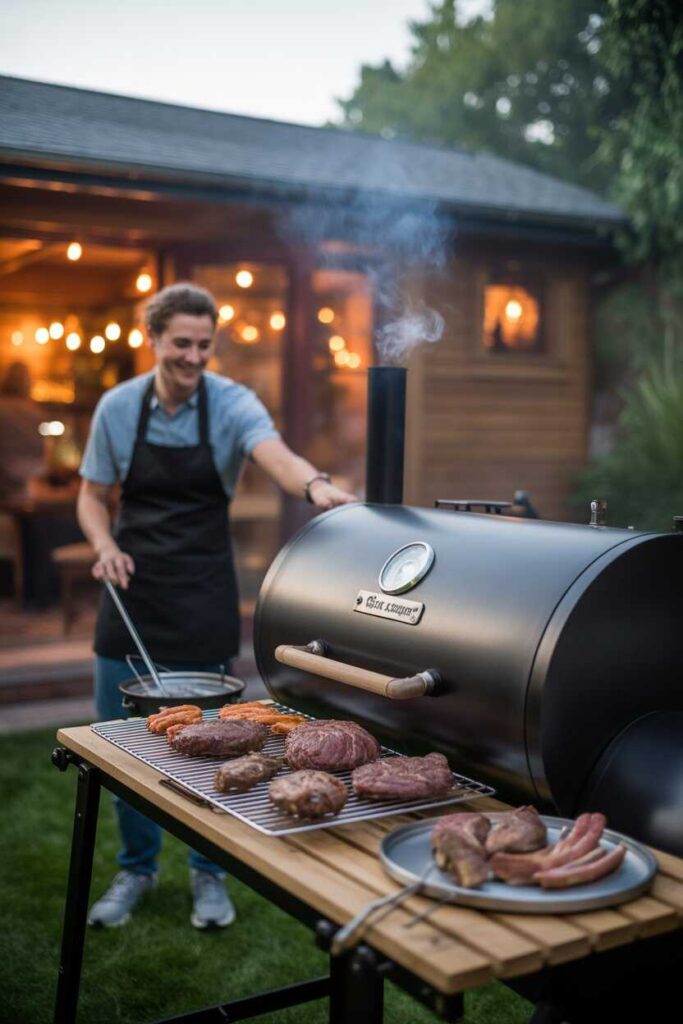
Smoking food isn’t just cooking it’s a flavor journey. Smokers use indirect heat and wood smoke to cook food slowly, infusing it with deep, rich, and unique flavors.
Unlike grilling, where food cooks quickly over direct heat, smoking takes time but the results are worth every minute.
Key Benefits:
- Rich Flavor: Smoke enhances meat, fish, and even veggies with a signature taste.
- Tender Texture: Slow cooking breaks down fibers, making food juicy and soft.
- Versatility: You can smoke, roast, and even bake in many smokers.
- Fun Hobby: Perfect for weekend BBQs, family gatherings, and backyard feasts.
Read More About: Hard Anodized Cookware Sets The Ultimate Blend of Durability, Style & Performance
Types of Smokers for Beginners
Choosing the right smoker can feel overwhelming, especially with so many types available. Let’s break down the main categories so you can pick one that fits your style and budget.
Electric Smokers
Best for: Total beginners who want an easy, set-it-and-forget-it experience.
Electric smokers run on electricity and automatically maintain temperature. Simply add wood chips for flavor, and you’re ready to go.
Pros:
- Easy temperature control
- Minimal supervision
- Ideal for small spaces
- Consistent results
Cons:
- Less smoky flavor compared to charcoal or wood
- Needs electricity access
Popular Models:
- Masterbuilt Digital Electric Smoker
- Char-Broil Deluxe Digital Electric Smoker
Charcoal Smokers
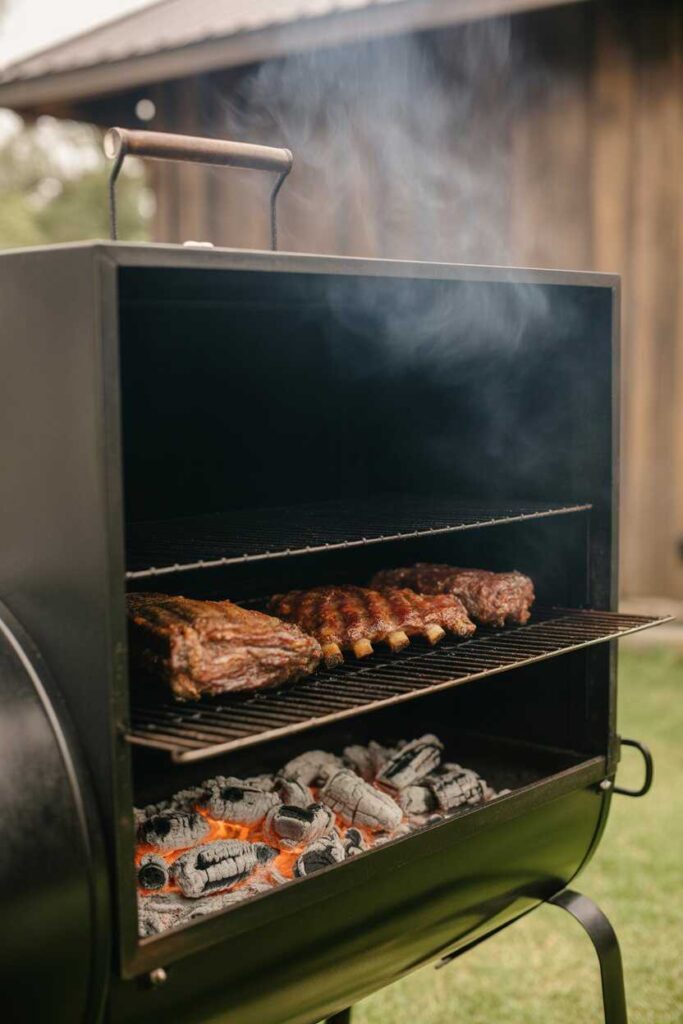
Best for: Traditional BBQ lovers who want authentic smoky flavor.
Charcoal smokers are the go-to for purists who love the process as much as the food. They take more time and attention but reward you with unmatched flavor.
Pros:
- Deep, authentic smoke flavor
- Affordable options available
- Great for experimenting with wood types
Cons:
- Requires hands-on temperature control
- Takes time to learn
Popular Models:
- Weber Smokey Mountain Cooker
- Oklahoma Joe’s Bronco Drum Smoker
Pellet Smokers
Best for: Beginners who want convenience and flavor in one package.
Pellet smokers use wood pellets and an electric control system to maintain temperature automatically offering both flavor and ease.
Pros:
- Consistent results
- Easy temperature management
- Adds real wood flavor
Cons:
- More expensive upfront
- Requires pellet refills
Popular Models:
- Traeger Pro Series
- Pit Boss Navigator Series
Gas Smokers
Best for: Those who prefer propane power and quick setup.
Gas smokers are beginner-friendly and heat up fast. You still get great smoky flavor without worrying about charcoal.
Pros:
- Quick heating
- Easy to use
- Budget-friendly
Cons:
- Flavor not as strong as charcoal or pellet smokers
- Requires propane tank refills
Popular Models:
- Cuisinart Vertical Propane Smoker
- Dyna-Glo 36″ Vertical Gas Smoker
How to Use a Smoker for Beginners
Let’s get to the fun part using your smoker! Follow these steps for perfect results every time.
Season Your Smoker
Before your first cook, run your smoker empty at high heat for an hour to burn off any manufacturing residue. Lightly coat the interior with cooking oil to season it.
Choose the Right Wood
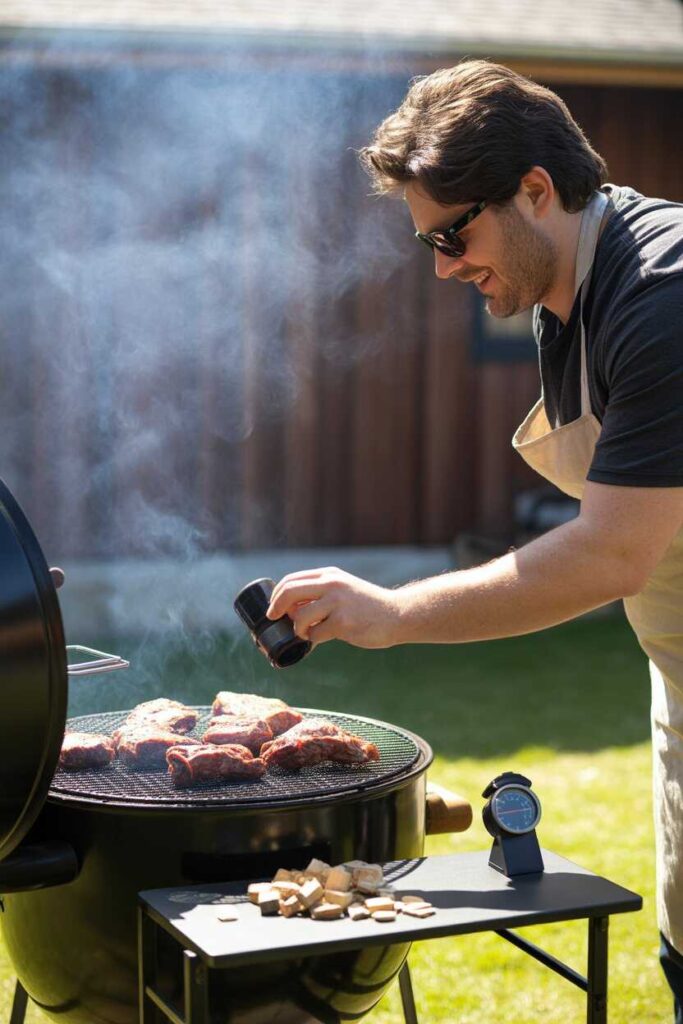
Different woods create different flavors.
- Hickory: Strong, smoky, perfect for beef or pork
- Apple: Sweet and mild, ideal for poultry
- Cherry: Slightly fruity, great for ribs
- Mesquite: Bold flavor, best for red meat
Tip: Avoid mixing too many wood types start simple.
Prep Your Meat
Trim excess fat, marinate, or dry-rub your meat. Salt-based rubs help retain moisture and build flavor crust.
Control Temperature
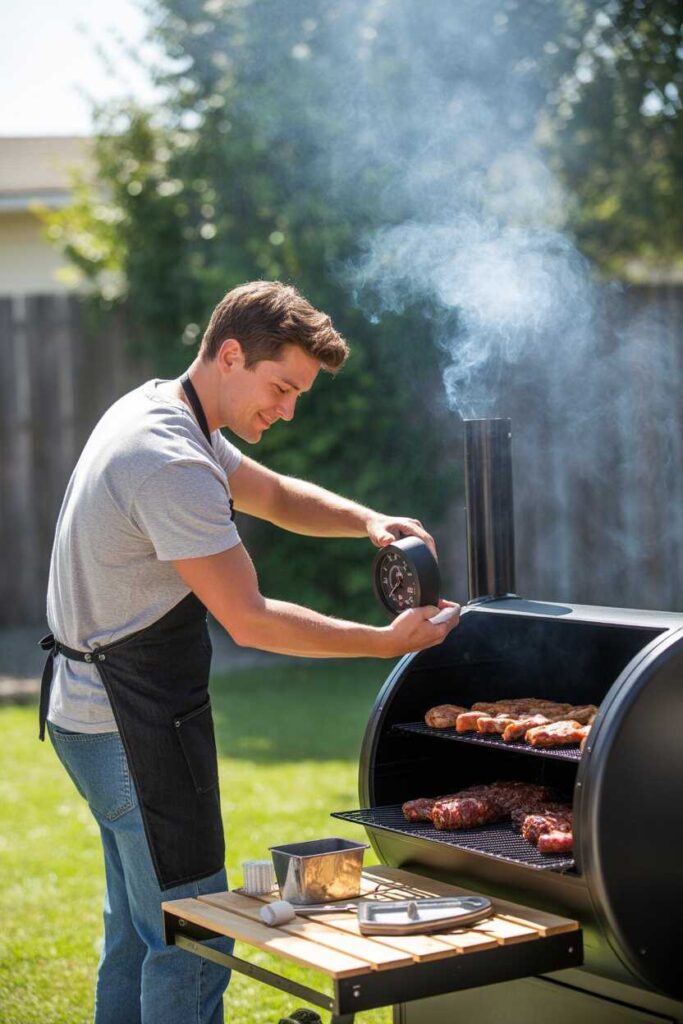
Ideal smoking temperature: 225°F to 250°F (107°C to 121°C)
Use built-in thermometers or digital probes to ensure consistency.
Monitor and Wait
Smoking takes time anywhere from 4 to 12 hours depending on the cut. Don’t open the lid too often; every peek drops the temperature.
Rest and Serve
Once done, let your meat rest for 20–30 minutes. This helps the juices redistribute and enhances tenderness.
Best Smokers for Beginners (Top Picks 2025)
| Smoker | Type | Best For | Ease of Use | Price Range |
| Masterbuilt Digital 30″ | Electric | Easy setup | ★★★★★ | $250–$300 |
| Weber Smokey Mountain 18″ | Charcoal | Authentic flavor | ★★★★☆ | $350–$400 |
| Traeger Pro 575 | Pellet | Precision smoking | ★★★★★ | $700–$800 |
| Cuisinart COS-244 | Gas | Affordable & simple | ★★★★☆ | $250–$300 |
Beginner Smoking Tips
- Start Small: Chicken or ribs are great for first-timers.
- Use a Water Pan: Keeps your food moist.
- Keep the Lid Closed: Every time you open it, you lose heat and smoke.
- Clean Regularly: Avoid buildup of grease and ash.
- Take Notes: Write down what wood, temperature, and time worked best — your own BBQ logbook
Read More About: 10 Types of Pans Every Home Cook Needs Find Your Perfect Match
Common Mistakes Beginners Make
❌ Using too much wood leads to bitter, over-smoked food
❌ Not preheating the smoker
❌ Constantly checking meat temperature
❌ Ignoring weather conditions wind and cold affect smoking time
❌ Skipping rest time before serving
Accessories Every Beginner Smoker Needs
- Digital meat thermometer
- Heat-resistant gloves
- Wood chips/pellets variety pack
- Aluminum drip pans
- Cleaning brush
These small tools make a big difference in results and convenience.
Maintenance Tips for Longevity
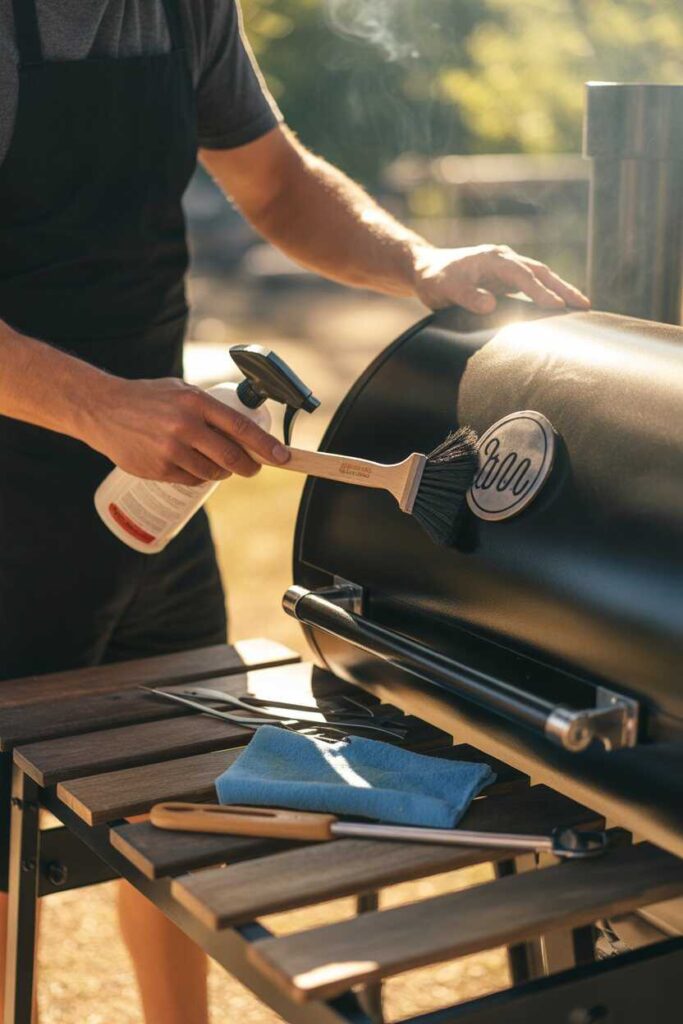
- Clean grates after each use
- Empty ash pans regularly
- Cover your smoker when not in use
- Inspect seals and vents every few weeks
Proper care ensures years of delicious, smoky meals.
Is Smoking Difficult to Learn?
Not at all it’s about patience, not perfection. Once you understand temperature control and wood flavor basics, it becomes second nature. The more you practice, the better your results will be.
FAQs
What is the easiest smoker to use for beginners?
Electric or pellet smokers are easiest for beginners since they maintain temperature automatically.
What should I smoke first as a beginner?
Start with chicken thighs, ribs, or pork shoulder they’re forgiving and flavorful.
How long does it take to smoke meat?
It depends on the cut, but typically 4–12 hours at 225–250°F.
Do I need to soak wood chips?
Only for electric or gas smokers; charcoal and pellet smokers work fine with dry wood.
How do I clean my smoker?
After cooling, remove ashes, clean grates with a brush, and wipe the interior with mild detergent.
Final Thoughts
A smoker for beginners isn’t just a cooking appliance it’s the start of a delicious hobby. Whether you choose an electric, pellet, gas, or charcoal smoker, the secret is patience and practice.
Start simple, enjoy the process, and let the smoke do the magic. Before long, your backyard will smell like a BBQ paradise, and your friends will call you the neighborhood pitmaster.


