
Sunken Living Room Ideas Stylish Conversation Pit Designs for Modern Homes

Interior design trends constantly evolve, but some ideas return with renewed creativity and relevance. One of the most fascinating design revivals in modern homes is the sunken living room, also known as a conversation pit. Originally popular in mid-century homes of the 1960s and 1970s, this architectural feature is making a sophisticated comeback in contemporary interiors.
A sunken living room is essentially a living space built slightly below the surrounding floor level. This simple change in elevation creates an intimate, cozy gathering area while maintaining openness within the home. Designers love it because it visually defines the living area without using walls, making open-concept layouts feel more intentional and structured.
In modern lifestyles, where homes often blend entertainment, relaxation, and social spaces, sunken living rooms create a natural hub for conversation and connection. They add architectural interest, elevate the interior experience, and instantly make a home feel more luxurious and thoughtfully designed.
In this comprehensive guide, you’ll discover the best sunken living room ideas, layout inspirations, professional styling techniques, color palettes, furniture placement strategies, and expert interior design insights. Whether you’re designing a new home, renovating an existing space, or simply exploring fresh decor inspiration, this guide will help you transform your living room into a stylish and inviting focal point.
Read More About: Bedroom Furniture Ideas to Create a Stylish, Functional, and Relaxing Bedroom
Latest Trends in Sunken Living Room Ideas
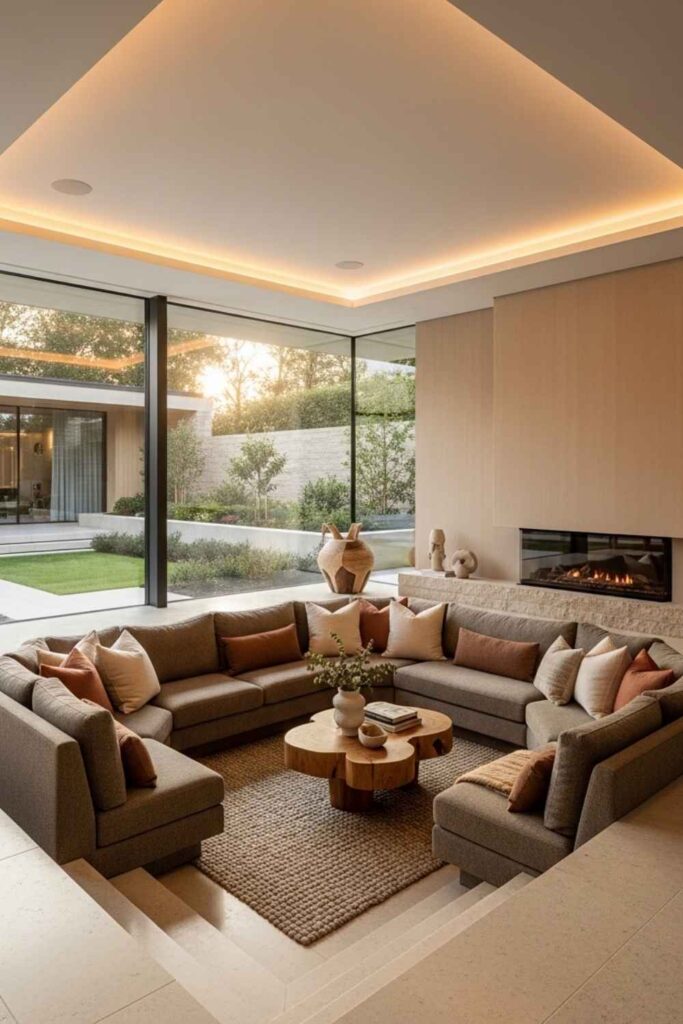
Modern sunken living rooms are far more versatile than their mid-century predecessors. Designers today combine architectural creativity, modern furniture, layered lighting, and natural materials to create spaces that feel luxurious yet welcoming.
One of the most notable trends is integrated seating. Instead of traditional sofas, many contemporary sunken living rooms feature built-in seating platforms with plush upholstery. These designs maximize space efficiency while creating a seamless architectural look.
Another major trend is multi-level open floor plans. Rather than isolating the sunken space, designers now integrate it into a larger open-concept environment that connects the living room with kitchens or dining areas. This maintains visual flow while allowing the sunken area to feel cozy and intimate.
Material choices also play a significant role in modern sunken living room design. Natural textures like wood, stone, linen, boucle fabric, and matte metals are becoming increasingly popular. These materials bring warmth and balance to the architectural depth of the sunken space.
Lighting design is also evolving. Instead of relying solely on ceiling fixtures, modern interiors incorporate layered lighting such as recessed lights along the step edges, pendant lighting above the seating area, and soft floor lamps within the pit. This approach creates ambiance and highlights the architectural structure.
Many contemporary homes also pair sunken living rooms with large windows or glass walls, allowing natural light to flood the space. This prevents the sunken area from feeling closed off and instead emphasizes openness and connection with outdoor landscapes.
Best Styles Ideas Design Concepts
Sunken living rooms can adapt to many interior styles. The key is choosing a design concept that aligns with your home’s architecture and lifestyle.
Modern Minimalist Sunken Living Room
Minimalist sunken living rooms focus on clean lines, neutral colors, and uncluttered layouts. Built-in seating with simple upholstery creates a calm and structured look. Designers often use beige, cream, and soft gray palettes combined with natural wood floors.
Furniture is kept minimal to maintain openness. A low-profile coffee table, sculptural floor lamp, and textured throw pillows are often enough to complete the space. This style works especially well in urban apartments and contemporary homes where simplicity and functionality are priorities.
Mid-Century Inspired Conversation Pit
Mid-century interiors are where sunken living rooms originally thrived. To recreate this timeless style, designers incorporate curved seating, walnut wood accents, retro lighting fixtures, and bold color accents.
Velvet or leather seating in colors like mustard, burnt orange, or olive green creates a nostalgic yet stylish atmosphere. A statement rug in geometric patterns can anchor the seating area and reinforce the vintage aesthetic.
This style suits retro-inspired homes or creative interiors that celebrate classic design history.
Luxury Statement Sunken Living Room
Luxury interiors take the sunken living room concept to another level with custom seating, premium materials, and dramatic lighting. Think marble coffee tables, velvet sectional sofas, and architectural chandeliers suspended above the pit.
Walls may feature textured stone panels or wood slats to add visual interest. Large area rugs define the space while maintaining comfort underfoot.
This concept works best in spacious homes with high ceilings, where the sunken feature becomes a dramatic centerpiece.
Cozy Scandinavian Sunken Lounge
Scandinavian interiors emphasize comfort, warmth, and natural simplicity. A Scandinavian sunken living room might feature light wood flooring, cream upholstery, wool blankets, and layered textures.
Soft lighting from floor lamps and candles enhances the hygge atmosphere. Decorative elements remain subtle but intentional woven baskets, minimalist art, and indoor plants add character.
This style is perfect for family homes that prioritize relaxation and comfort.
Seasonal Colors & Combinations
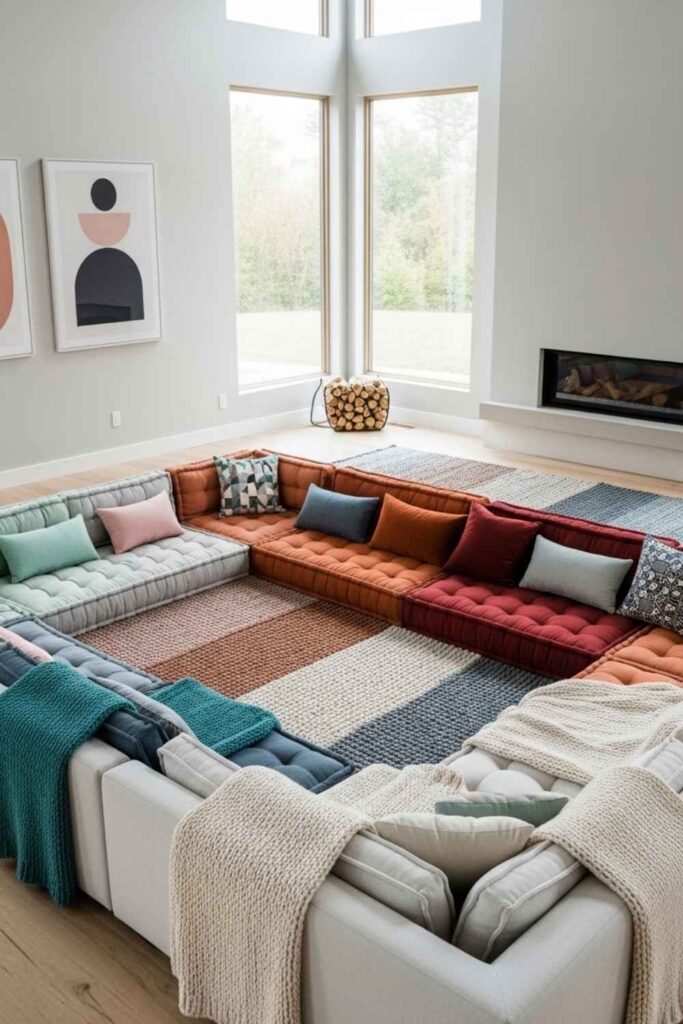
Color palettes dramatically influence how a sunken living room feels throughout the year. Thoughtful seasonal color adjustments can keep the space feeling fresh and inspiring.
In spring, many homeowners gravitate toward soft neutrals paired with botanical accents. Pale greens, warm creams, and muted blush tones reflect natural renewal. These shades brighten the sunken space while maintaining a calm atmosphere.
Summer interiors often embrace light and airy palettes. White upholstery, sandy beige tones, and ocean-inspired blues create a relaxed coastal vibe. Large linen cushions and breezy fabrics enhance comfort while reflecting sunlight beautifully.
Autumn introduces richer tones that complement the cozy nature of a sunken living room. Deep terracotta, warm caramel, olive green, and burnt orange create a welcoming environment ideal for gatherings and evening relaxation.
Winter palettes tend to lean toward luxurious depth and warmth. Charcoal gray, deep navy, forest green, and burgundy combine beautifully with metallic accents like brass or gold. Plush textures such as velvet and faux fur enhance seasonal comfort.
When choosing colors, designers consider natural light levels, room size, and personal style preferences. Lighter colors help smaller sunken spaces feel open, while darker palettes create a dramatic and intimate lounge atmosphere.
Step by Step Styling Guide
Designing a sunken living room requires thoughtful planning to balance comfort, function, and aesthetics.
The first step is space planning. Determine the size and depth of the sunken area so it feels comfortable without becoming difficult to navigate. Most designers recommend lowering the space between 12 and 24 inches.
Next comes furniture placement. Sectional sofas or built-in benches typically follow the perimeter of the pit to maximize seating. This layout naturally encourages conversation and creates a welcoming social atmosphere.
Wall styling plays an important role in defining the area. Consider textured accent walls, large-scale artwork, or wood paneling behind the seating area. These elements visually anchor the sunken space within the larger room.
Accessories should be layered thoughtfully. Soft pillows, cozy throws, decorative trays, and sculptural decor pieces add personality without cluttering the space.
Lighting is the final step. Combine recessed lighting, floor lamps, and statement pendants to ensure both functional brightness and atmospheric warmth.
Read More About: 28 Bathroom Towel Hanging Ideas Stylish Ways to Elevate Your Bathroom Decor
Styling Ideas for Different Spaces
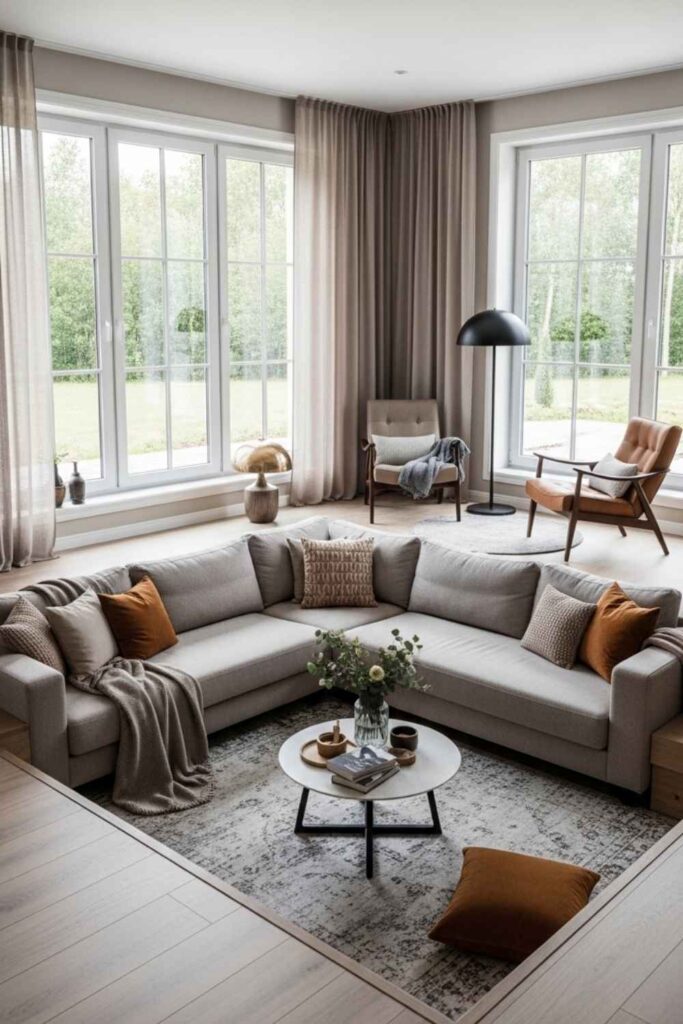
Sunken living rooms can work in many types of homes with thoughtful design adjustments.
In small apartments, a shallow sunken area paired with compact sectional seating can define the living space without making the room feel cramped. Neutral colors and low-profile furniture keep the layout balanced.
Studio apartments benefit from sunken living rooms because the elevation difference naturally separates the living area from sleeping or dining zones without needing partitions.
Family homes often use sunken living rooms as the main gathering area. Plush sectional seating and durable fabrics ensure comfort for everyday use, while large coffee tables provide space for games, books, and shared activities.
Luxury homes frequently combine sunken living rooms with double-height ceilings, panoramic windows, or indoor fireplaces. These architectural elements amplify the dramatic visual impact of the sunken design.
Rental-friendly solutions might include creating the illusion of a sunken living room through platform seating or layered rugs if structural changes are not possible.
Celebrity & Social Media Interior Trends
Platforms like Pinterest and Instagram have played a major role in reviving sunken living rooms. Viral home tours often showcase beautifully styled conversation pits that blend vintage charm with contemporary aesthetics.
Many celebrity homes also embrace this feature. Modern designers reinterpret the classic conversation pit with curved sofas, sculptural coffee tables, and layered lighting that photograph beautifully on social media.
Pinterest users particularly love neutral-toned sunken lounges with organic textures such as boucle upholstery, travertine tables, and indoor plants. These interiors feel both relaxed and editorial — perfect for modern lifestyle content.
Instagram influencers frequently style sunken living rooms with oversized cushions, statement rugs, and warm ambient lighting, creating spaces that feel cozy yet visually striking.
Do’s and Don’ts
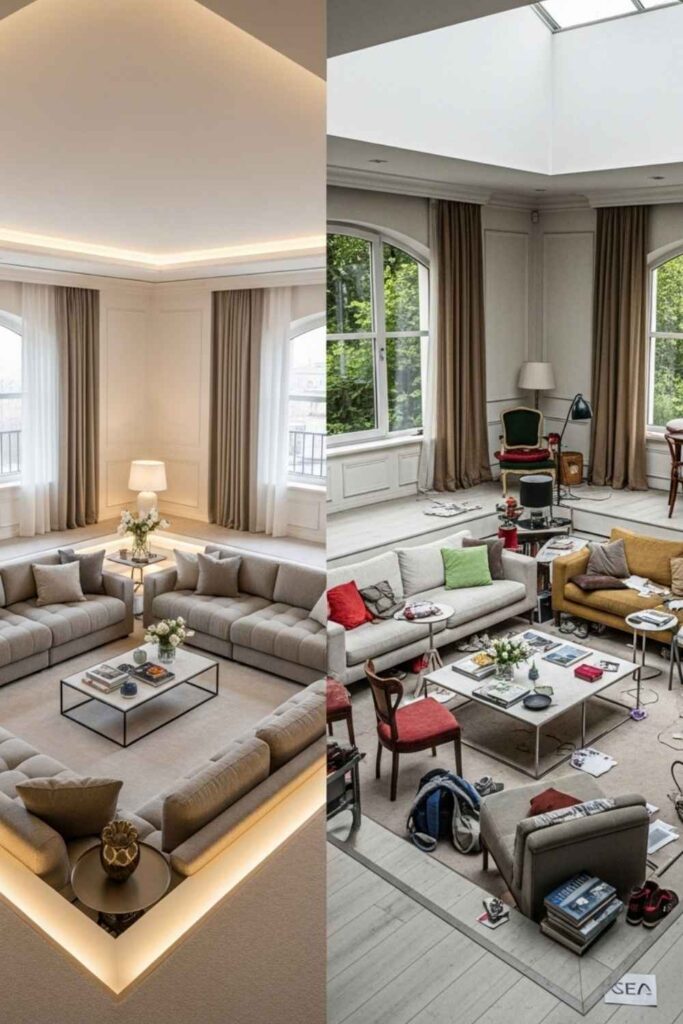
Do prioritize comfort
A sunken living room should feel inviting rather than purely decorative. Plush seating, soft textiles, and ergonomic furniture make the space comfortable for long conversations.
Do consider safety
Ensure steps are clearly visible and well-lit. Integrated step lighting is a practical design solution that enhances both safety and visual appeal.
Don’t overcrowd the space
Because the area sits lower than the surrounding floor, too much furniture can make it feel cramped. Maintain open walking paths and balanced proportions.
Don’t ignore lighting layers
Poor lighting can make sunken areas feel dark. Combining ambient, task, and accent lighting ensures a warm and functional atmosphere.
Common Mistakes to Avoid
One of the most common mistakes is designing a sunken living room too deep or too small. Extreme depth can make the space uncomfortable to enter and exit, while overly small pits feel cramped.
Another mistake is ignoring traffic flow. The surrounding floor area should allow easy movement around the sunken space without blocking pathways.
Poor furniture scale can also disrupt the design. Oversized sofas may dominate the area, while small pieces fail to anchor the layout.
Lastly, many homeowners underestimate the importance of acoustic comfort. Soft materials like rugs, cushions, and upholstery help absorb sound and maintain a cozy atmosphere.
Budget Friendly Ideas
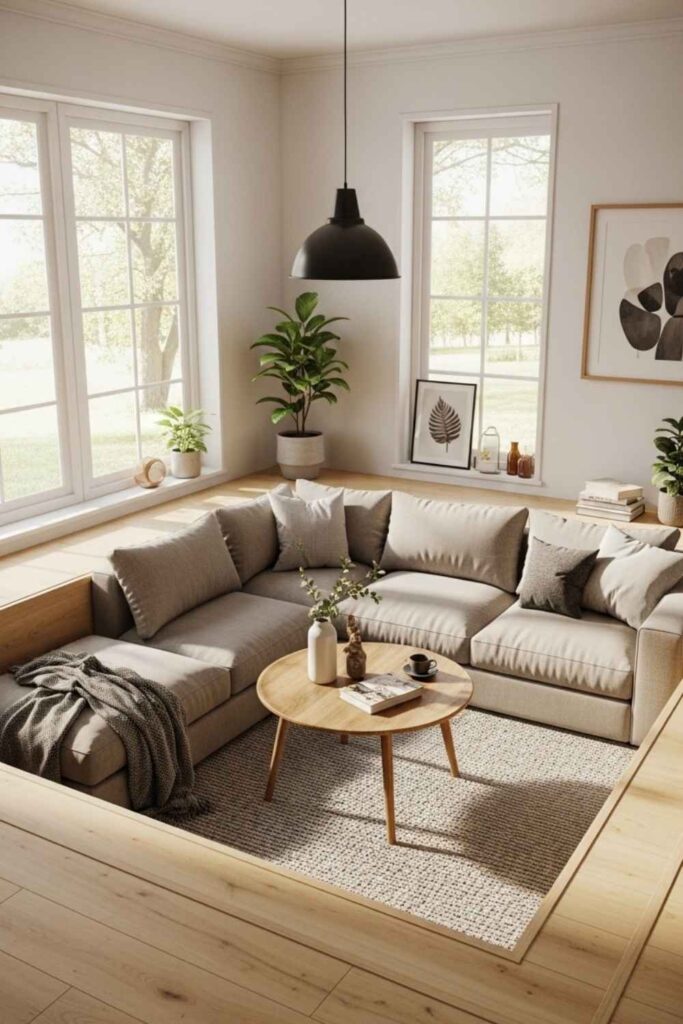
Creating a sunken living room look doesn’t always require structural renovation.
DIY enthusiasts can build platform seating or raised flooring around the living area to simulate a conversation pit effect.
IKEA hacks are also popular. Modular seating systems can be arranged to mimic built-in pit seating while remaining flexible for future layout changes.
Large area rugs and low-profile furniture can visually define the sunken concept even in standard living rooms. Layered cushions and poufs add comfort without requiring expensive custom furniture.
Smart shopping tips include purchasing second-hand sectional sofas and reupholstering them with modern fabrics for a fresh designer look.
Premium Luxury Interior Ideas
High-end sunken living rooms often feature custom-designed seating integrated directly into the architecture. Upholstered wall panels and built-in storage create a seamless aesthetic.
Materials like marble, travertine, and exotic hardwoods elevate the space while maintaining timeless appeal.
Luxury lighting plays a key role. Designers often install oversized chandeliers, sculptural pendants, or recessed LED strips around the step edges.
Architectural details such as curved walls, indoor fireplaces, and panoramic windows transform the sunken living room into a breathtaking focal point.
Read More About: 55 Calm Bedroom Ideas Elegant Design Secrets for a Peaceful Stress Free Sanctuary
How to Maintain & Refresh the Space
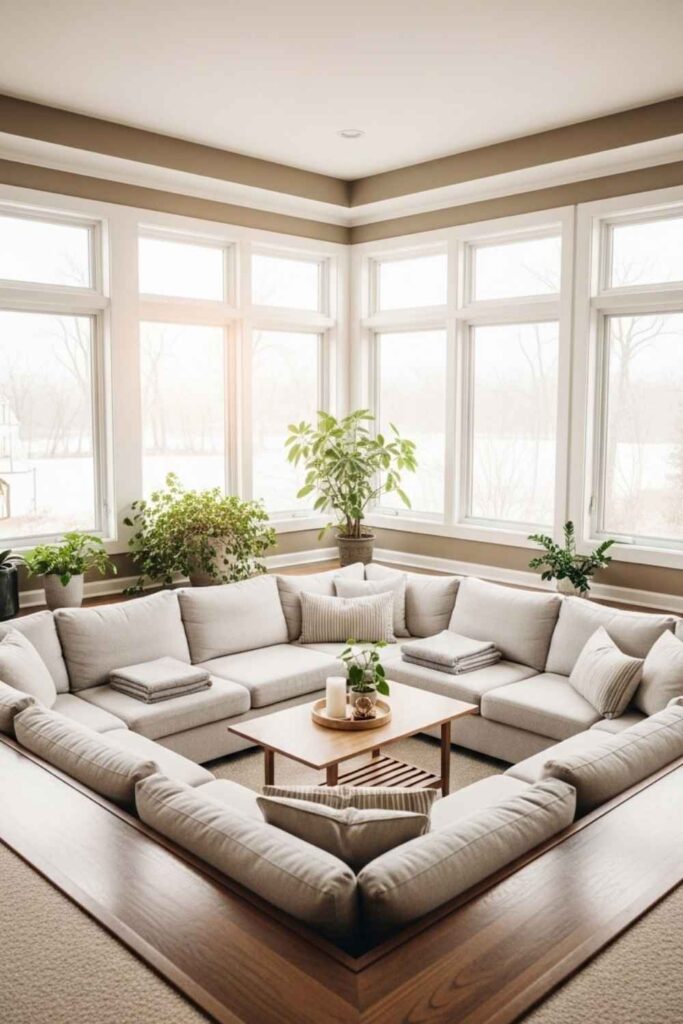
Regular maintenance ensures the sunken living room remains inviting and comfortable.
Vacuum upholstery and rugs frequently to prevent dust accumulation in the lower seating area. Rotating cushions maintains shape and longevity.
Seasonal updates can refresh the space without major renovations. Swapping pillow covers, introducing new throws, or updating decorative accessories keeps the design current.
Lighting adjustments can also transform the mood. Warmer bulbs create cozy winter evenings, while brighter lighting enhances summer gatherings.
Long-term care involves checking structural elements, ensuring step edges remain secure, and maintaining upholstery fabrics.
Comparison Table
| Style | Budget Level | Best Room Size | Maintenance | Overall Vibe |
| Minimalist Sunken Lounge | Medium | Small to Medium | Low | Calm & Modern |
| Mid-Century Conversation Pit | Medium | Medium | Medium | Retro & Stylish |
| Scandinavian Cozy Pit | Medium | Small to Medium | Low | Warm & Relaxed |
| Luxury Architectural Pit | High | Large Spaces | Medium | Dramatic & Elegant |
Expert Tips & Pro Interior Hacks
Professional designers often use several clever tricks when designing sunken living rooms.
Layering multiple rugs can visually soften the seating area while defining the conversation zone.
Curved seating arrangements create a more intimate atmosphere compared to rigid rectangular layouts.
Adding hidden storage within built-in seating maximizes functionality, especially in smaller homes.
Mirrors placed strategically around the sunken space reflect light and prevent the area from feeling enclosed.
Trend Forecast for the Upcoming Year
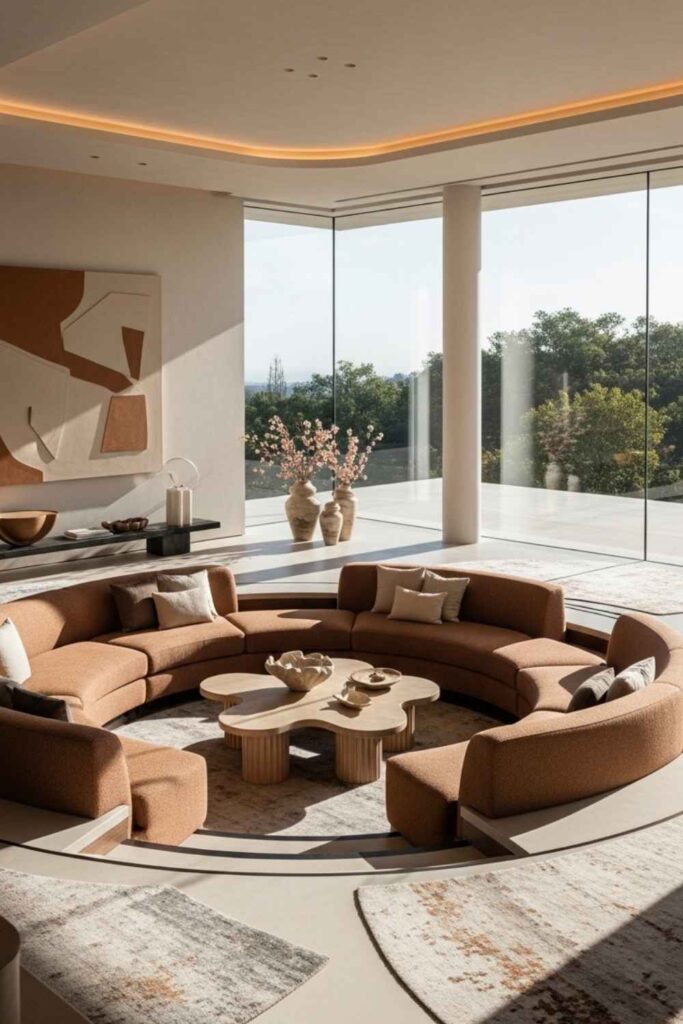
Interior experts predict that sunken living rooms will continue evolving with organic shapes, curved furniture, and nature-inspired materials.
Designers are also experimenting with indoor-outdoor sunken lounges that connect living rooms with patios or gardens.
Another growing trend is modular conversation pits that allow homeowners to rearrange seating configurations for different social gatherings.
Sustainable materials such as reclaimed wood, natural wool textiles, and eco-friendly upholstery fabrics are expected to become more common in future designs.
FAQs
Are sunken living rooms still in style?
Yes, sunken living rooms are experiencing a strong revival in modern interior design. Designers appreciate their ability to create cozy conversation areas while maintaining open floor plans.
How deep should a sunken living room be?
Most sunken living rooms are lowered between 12 and 24 inches from the surrounding floor level. This depth provides visual separation without making the space difficult to access.
Are sunken living rooms safe for families?
With proper design, they can be safe and functional. Clear step visibility, soft edges, and integrated lighting improve safety for children and guests.
Can a sunken living room work in small homes?
Yes. Smaller versions with shallow depth and compact seating can create a cozy lounge effect without overwhelming the space.
What furniture works best in a sunken living room?
Sectional sofas, built-in benches, low coffee tables, and modular seating systems work particularly well because they encourage conversation and maximize seating.
Conclusion
Sunken living rooms offer a unique blend of architectural creativity, comfort, and social connection. By lowering the living area slightly below the surrounding floor, designers create a natural gathering space that feels intimate yet open.
Whether styled with minimalist furniture, retro mid-century charm, or luxurious materials, a sunken living room instantly transforms the character of a home. With thoughtful layout planning, layered lighting, and carefully chosen textures, this design feature can become the heart of your living space.
If you’re planning a renovation or simply exploring new home decor inspiration, sunken living room ideas offer endless possibilities for creating a stylish, welcoming environment where people naturally gather and connect.


