Indoor plants do more than brighten a room. They bring a sense of calm, improve the look of your living space, and can even contribute to a healthier indoor environment. Because of these benefits, you may have heard claims that houseplants can also lower your energy bill.
Is there any truth to that?
The answer is yes, but only to a certain extent. Indoor plants can support a more comfortable home by influencing humidity, providing shade in some situations, and encouraging natural cooling habits. However, they are not a substitute for energy efficient appliances, proper insulation, or smart heating and cooling practices.
Understanding both the benefits and the limitations of indoor plants can help you make realistic choices for a greener and more energy efficient home.
How Indoor Plants Can Support Energy Efficiency
Plants don’t directly reduce your electricity consumption like a more efficient air conditioner or LED lighting. Instead, they contribute in indirect ways that may help you rely a little less on heating or cooling systems.
While the impact is usually modest, every small improvement can be part of a broader energy saving strategy.
They Can Improve Indoor Comfort
Plants naturally release moisture into the air through a process called transpiration.
This added humidity may help indoor spaces feel more comfortable, particularly during dry seasons or in air conditioned environments where the air can become less humid.
When a room feels more comfortable, some people find they are less likely to adjust the thermostat as frequently, which may contribute to small energy savings over time.
They Can Help Reduce Heat from Sunlight
Large indoor plants placed near sunny windows can provide partial shade by blocking some direct sunlight before it reaches parts of your home.
Although this effect is much smaller than using insulated curtains or exterior shading, it may help reduce heat buildup in certain rooms during sunny afternoons. The U.S. Department of Energy’s Home Cooling guide explains that combining strategies such as shading, proper insulation, energy-efficient windows, and ventilation can reduce the need for air conditioning and improve home comfort. Indoor plants can complement these strategies, but they should not be considered a replacement for proven energy-saving measures.
Choosing the right placement can improve comfort without relying entirely on mechanical cooling.
Plants Encourage Better Natural Ventilation
People who enjoy caring for indoor plants often develop habits that naturally improve indoor comfort.
For example, opening windows during cooler parts of the day allows fresh air to circulate while benefiting many houseplants. This natural ventilation may reduce the need for air conditioning when outdoor conditions are pleasant.
Of course, this approach works best in climates where outdoor temperatures and humidity are comfortable.
Indoor Plants Can Improve Well Being
While improved well being doesn’t directly reduce electricity use, it can encourage healthier living environments.
Many people report that plants make their homes feel more relaxing and inviting. They can also improve the appearance of workspaces, reading corners, and living rooms, making these spaces more enjoyable without additional electronic devices or decorative lighting.
A comfortable home doesn’t always require higher energy consumption.
The Limits of Indoor Plants
Despite their many benefits, indoor plants should not be viewed as an energy saving solution on their own.
Some common misconceptions include:
- Plants cannot replace air conditioning during hot weather.
- They do not significantly lower indoor temperatures across an entire home.
- They cannot compensate for poor insulation or drafty windows.
- They do not reduce the electricity used by major appliances.
If lowering your electricity bill is your primary goal, improvements such as sealing air leaks, upgrading insulation, maintaining HVAC equipment, and replacing older appliances will usually have a much greater impact.
Combine Plants with Other Energy Saving Habits
The best results come from combining indoor plants with proven energy saving practices.
Consider these ideas:
- Use blackout curtains during the hottest part of the day.
- Replace incandescent bulbs with LED lighting.
- Keep heating and cooling systems properly maintained.
- Seal gaps around doors and windows.
- Use ceiling fans to improve air circulation.
- Adjust your thermostat gradually instead of making large changes.
If you’re also comparing utility costs, reviewing texas electricity rates alongside your household’s energy habits can help you better understand where meaningful savings may come from. Choosing an appropriate electricity plan and improving your home’s efficiency often have a much larger financial impact than relying on any single energy saving tip.
Choosing the Right Indoor Plants
While no plant will dramatically reduce your electricity bill, some varieties are well suited to improving indoor comfort and thriving inside the home.
Popular choices include:
- Snake Plant
- Peace Lily
- Spider Plant
- Areca Palm
- Rubber Plant
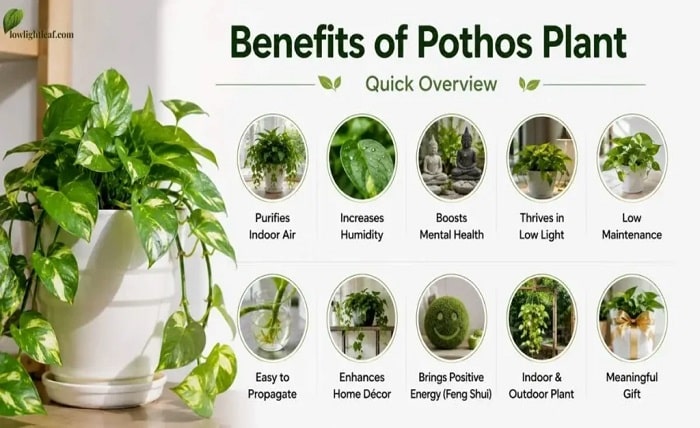
- Pothos
- Boston Fern
Select plants based on your home’s lighting conditions and your ability to care for them consistently.
Healthy plants provide the greatest aesthetic and environmental benefits.
Small Improvements Create Bigger Results
Energy efficiency is rarely about one major change. Instead, it comes from combining many smaller improvements that work together.
Indoor plants may provide a modest contribution by improving comfort, encouraging natural ventilation, and helping create pleasant living spaces. When paired with efficient appliances, proper insulation, and thoughtful energy habits, they become one small piece of a larger strategy for reducing household energy use.
Rather than expecting dramatic savings from plants alone, think of them as part of an overall approach to creating a more comfortable, sustainable home.
Frequently Asked Questions
Do indoor plants lower electricity bills?
Indoor plants may contribute to small energy savings by improving indoor comfort and encouraging natural ventilation, but they are unlikely to make a noticeable difference on their own.
Can plants cool a room?
Plants release moisture through transpiration, which can have a slight cooling effect in their immediate surroundings. However, they cannot replace air conditioning or significantly cool an entire room.
Which indoor plants are best for improving comfort?
Snake plants, peace lilies, spider plants, areca palms, and pothos are popular indoor plants because they adapt well to many home environments and are relatively easy to maintain.
Should I place plants near windows?
Placing larger plants near sunny windows may provide a small amount of natural shading. Be sure to choose locations that also provide the amount of sunlight your plants need to stay healthy.
What has the biggest impact on reducing home energy use?
Heating and cooling efficiency, insulation, air sealing, energy efficient appliances, and smart thermostat settings generally have a much greater effect on energy consumption than indoor plants alone.
Are indoor plants worth having if they don’t save much energy?
Yes. Indoor plants offer many benefits beyond potential energy savings. They enhance the appearance of your home, may improve indoor comfort, and can make living spaces feel more inviting and relaxing.
Final Thoughts
Indoor plants are a wonderful addition to almost any home, offering beauty, comfort, and a closer connection to nature. While they can contribute in small ways to a more energy conscious household, it’s important to keep expectations realistic.
The greatest reductions in electricity use come from proven strategies such as improving insulation, maintaining heating and cooling systems, upgrading to energy efficient appliances, and adopting mindful daily habits. Indoor plants complement these efforts rather than replace them.
By combining thoughtful landscaping inside your home with practical energy saving choices, you can create a living space that is comfortable, attractive, and more efficient throughout the year.