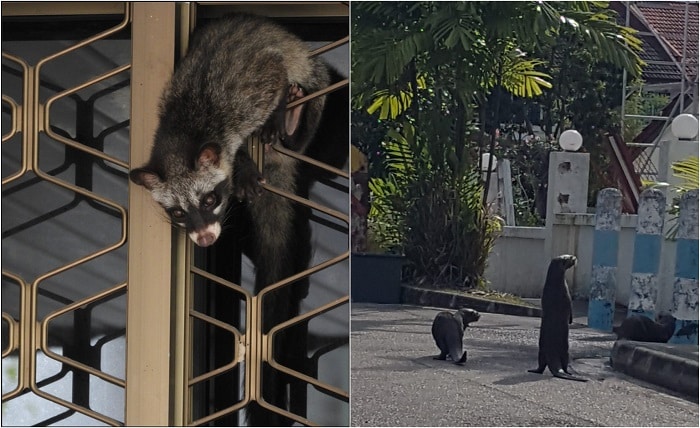
A cabin in the woods is supposed to feel like an escape from everyday life. The quiet, the trees, and the wildlife are often part of the appeal. Watching deer move through the property or hearing birds in the morning can make a weekend retreat feel far removed from city life.
The problem starts when wildlife stops passing through and begins treating the cabin as shelter.
Mice can squeeze through tiny openings around foundations. Squirrels may move into attics. Raccoons can investigate crawl spaces, chimneys, and unsecured trash. Bats sometimes settle behind siding or inside rooflines, while insects can take advantage of moisture, aging wood, and gaps that go unnoticed between visits.
For cabin owners, this creates a difficult balance. Nature is part of the setting, but the property still needs boundaries. Understanding why animals enter, where they are likely to settle, and how prevention differs from a typical suburban home can make owning a cabin much easier.
Why Cabins Attract Wildlife
Cabins often provide exactly what animals are looking for: shelter, warmth, darkness, and relatively little human activity.
A primary residence is usually full of movement. Doors open and close, lights turn on, appliances run, and people move through different rooms every day. A vacation cabin may sit empty for weeks or even months. During that time, animals can explore without much interruption.
Seasonal weather adds to the attraction. When temperatures drop, rodents and other small animals search for protected spaces. During hot periods, shaded crawl spaces and wall cavities can offer relief. Storms may also push wildlife toward buildings when natural nesting areas are damaged.
Food is another major factor. Birdseed, pet food, unsecured garbage, pantry goods, outdoor grills, compost, and even crumbs beneath appliances can attract animals. Once an animal associates a property with food or reliable shelter, it may keep returning.
That is why the most effective prevention usually involves reducing both access and incentives.
Small Gaps Can Create Big Problems
One of the biggest misconceptions about wildlife intrusion is that an opening must be obvious.
In reality, many animals need surprisingly little space.
Mice can exploit narrow gaps around pipes, vents, siding, and doors. Squirrels may enlarge damaged areas along rooflines. Insects can enter through cracks around windows, utility penetrations, and deteriorating seals. Bats often take advantage of small openings near eaves, vents, or roofing materials.
Cabins can be particularly vulnerable because buildings exposed to heavy rain, snow, intense sun, tree debris, and temperature swings naturally shift and age.
A gap that was barely noticeable one year may become a practical entry point the next.
Regular inspections should therefore focus on the areas where different building materials meet. Roof edges, foundations, door frames, vents, chimneys, utility lines, and crawl-space openings deserve particular attention.
The goal is not to make a structure completely separated from its environment. That is rarely realistic. Instead, owners should make the cabin significantly less convenient than the surrounding natural alternatives.
Attics, Crawl Spaces, and Chimneys Are Prime Targets
Wild animals often prefer areas that people rarely enter.
An attic provides warmth, insulation material, and protection from weather. Crawl spaces can offer darkness and shelter. Chimneys may appear similar to hollow trees. Wall cavities provide enclosed nesting areas that may remain undisturbed for long periods.
These locations also allow wildlife activity to become established before homeowners realize something is wrong.
Signs may include scratching or movement inside walls, unusual odors, droppings, shredded insulation, gnaw marks, damaged vents, nesting material, or noises that seem louder at night.
Sometimes the first visible clue is outside the cabin. Damaged soffits, disturbed roof materials, tracks near a foundation, or repeated activity around the same section of the building can indicate an entry point.
Ignoring these early signs can make removal and cleanup more complicated, particularly if animals reproduce inside the structure.
Food Sources Matter More Than Many Owners Realize
Closing a cabin for several weeks requires more than locking the front door.
Food storage is one of the easiest areas to overlook.
Dry goods stored in cardboard boxes or thin plastic packaging can attract rodents. Pet food left in bags is another common target. Garbage cans that are not properly secured may attract raccoons and other wildlife from a surprising distance.
Even outdoor feeding habits can affect what happens indoors.
Bird feeders, for example, can scatter seeds beneath them, creating a food source for rodents. Those rodents may eventually begin investigating the cabin itself. Fruit that falls from nearby trees can create another seasonal attraction.
Cabin owners do not necessarily need to remove everything that attracts wildlife from the property, but they should understand the chain reaction that food can create.
If the cabin will be unoccupied, pantry items should be stored in durable sealed containers, trash should be removed, and food residue should be cleaned from kitchens, grills, and outdoor dining areas.
Trees and Landscaping Can Become Wildlife Highways
A heavily wooded property looks beautiful, but the landscape around a cabin can also make access easier.
Tree branches that touch or hang close to the roof give squirrels and other animals a direct route onto the structure. Dense vegetation near foundations can conceal rodent activity. Firewood stacked against exterior walls may create protected areas for insects and small animals.
This does not mean stripping the landscape around a cabin.
A better approach is to create modest separation between the building and the surrounding habitat. Trimming branches away from the roof, keeping brush from pressing against exterior walls, maintaining drainage, and storing firewood at an appropriate distance can reduce opportunities without destroying the natural appearance of the property.
These small maintenance habits are especially useful because they make wildlife activity easier to notice.
Moisture Often Attracts More Than Mold
Water problems are another major factor in pest activity.
A leaking pipe, damp crawl space, clogged gutter, poorly draining foundation, or damaged roof can create conditions that attract insects and other pests. Moist wood may also become easier for certain insects to exploit.
Because cabins can go unoccupied for long stretches, small leaks sometimes continue for days or weeks before anyone notices them.
That makes moisture monitoring particularly valuable.
Checking plumbing before leaving, keeping gutters clear, maintaining roof drainage, and considering leak or humidity sensors can help owners detect conditions that make a property more inviting to pests.
Moisture control also protects the building itself, making it one of the most useful forms of preventive maintenance regardless of whether wildlife is currently present.
Pest Prevention Changes With Geography
Cabin pest prevention cannot be approached exactly the same way everywhere.
A wooded property in New England, the Upper Midwest, or the Pacific Northwest may deal heavily with mice, squirrels, raccoons, bats, ticks, ants, and other pests associated with dense vegetation and seasonal temperature changes.
A Southwestern property faces a different environment.
Hot weather, extended dry periods, irrigation systems, desert landscaping, and different wildlife populations create another set of pressures. Scorpions, spiders, ants, termites, rodents, and other pests may become more prominent concerns around desert and metropolitan properties.
That is why prevention should reflect local conditions rather than relying on a universal checklist.
A homeowner maintaining a second property in Arizona, for example, may take a different approach from someone closing a lake cabin for a northern winter. Local professionals such as Green Home Pest Control in Phoenix can help homeowners understand the pest patterns associated with the regional climate and surrounding environment.
The broader lesson is simple: geography shapes pest behavior.
Owners who split time between two properties should avoid assuming that the maintenance routine for one home will automatically work for the other.
What Happens When Animals Move In
Wildlife intrusion is not only inconvenient.
Animals may chew wiring, damage insulation, contaminate stored materials, tear ventilation screens, damage roofing, and create nesting areas inside walls or attics.
Rodents are particularly known for gnawing because their teeth continuously grow. Wiring, plastic, wood, and stored belongings can all become targets.
Larger animals may cause more visible structural damage while attempting to enter or leave.
There can also be health concerns related to droppings, nesting debris, parasites, or contaminated surfaces. Cleaning these areas should therefore be handled carefully, particularly when the extent of contamination is significant.
Another challenge is that simply removing an animal does not necessarily solve the problem.
If the entry point remains open, another animal may eventually use it. Effective management usually involves identifying how the animal entered, correcting the access point, and reducing whatever made the location attractive in the first place.
Prevention Is Easier Between Visits
Cabin maintenance works best when it becomes part of the routine rather than something owners think about only after a problem appears.
Before leaving the property, walk around the exterior and look for obvious changes. Check doors, vents, roof edges, screens, utility openings, and foundation gaps. Remove trash and accessible food. Inspect plumbing and confirm that drainage systems are working properly.
Inside, look for droppings, gnawing, unusual smells, or disturbed stored items.
Technology can also help.
Security cameras may reveal animals repeatedly approaching a particular part of the property. Smart leak detectors can identify moisture problems. Temperature and humidity monitors can warn owners about environmental changes that could contribute to pest activity.
None of these tools replaces physical maintenance, but they can make an occasionally occupied property much easier to supervise.
Keeping the Cabin Comfortable Instead of Stressful
The point of owning a getaway is usually to have somewhere that feels restorative.
Returning to damaged food containers, strange noises in the attic, droppings in cabinets, or a pest problem that developed while the property was empty can quickly turn that escape into another source of work.
That is why cabin maintenance is partly about reducing uncertainty.
Simple systems—regular inspections, secure food storage, moisture control, landscaping maintenance, and clear plans for what happens while the property is vacant—can remove much of the stress associated with managing a second home.
The same principle applies more broadly to personal wellbeing. When stress, family pressures, or emotional difficulties become difficult to manage, support such as therapy for teens and young adults can provide a structured place to address those challenges.
In situations where mental health concerns occur alongside substance use, a dual diagnosis treatment program may address both issues together. For individuals who need a more structured level of care, a residential drug and alcohol rehab may offer an environment focused on stabilization and recovery.
Let Wildlife Stay Wild
A cabin will never be completely separated from the landscape around it, and that is part of what makes cabin ownership appealing.
Wildlife sightings can be one of the best parts of spending time outside the city.
The goal is simply to make sure the animals remain visitors to the property rather than residents of the building.
By sealing common entry points, managing food sources, controlling moisture, maintaining landscaping, and adapting prevention strategies to the local environment, cabin owners can protect the structure without losing the connection to nature that attracted them there in the first place.
A little prevention between visits can mean the difference between arriving at a peaceful retreat and discovering that something else has already moved in.