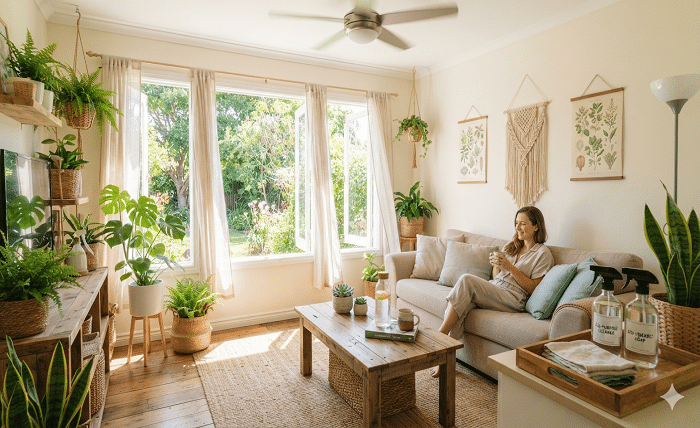
Summer always brings that itch to do something with the house. The longer days make every scuff mark and tired wall more obvious, and suddenly you’re mentally redecorating the bathroom before your morning coffee has gone cold. But here’s the thing: most home refresh projects generate a surprising amount of waste. Ripping out old tiles, tearing down plasterboard, binning furniture that just needs a lick of paint. It all adds up.
The good news is you don’t have to gut a room to make it look new. There are plenty of low-waste ways to give your home a genuine lift this summer, and most of them won’t cost you a fortune either. Follow along as we go through the changes that make the biggest visual difference without filling a skip in the process.
Repaint and Refinish What You Already Own
Before you even think about buying new furniture, take a proper look at what you’ve got. That pine bookcase from ten years ago? A coat of chalk paint in a modern colour will completely change it. The dining chairs with chipped legs? Sand them down, apply a wood stain, and they’ll look like something out of a interiors magazine.
Repainting furniture is one of the simplest and cheapest upgrades you can do, and it keeps perfectly good items out of landfill. You’ll want to use a low-VOC or zero-VOC paint if you’re trying to keep things eco-friendly. These are widely available now and don’t give off the harsh fumes that traditional paints do.
Don’t stop at furniture, either. Kitchen cabinet doors are another big one. Replacing an entire kitchen costs thousands and creates a mountain of waste. But repainting the doors and swapping the handles will give you a completely different look for a fraction of the price and effort.
Deep Clean Soft Furnishings Instead of Replacing Them
Sofas, curtains, cushion covers and rugs all start looking a bit flat after a year or two. The instinct is to replace them, but most of the time they just need a thorough clean. Hiring a carpet cleaner or steam cleaner for the day costs around £30 to £50 and will bring fabric back to life in a way that’s hard to believe until you see it.
For curtains, check the care label first. Many can go in the washing machine on a gentle cycle, which saves you the dry cleaning bill and the temptation to throw them out. Cushion covers are even easier. Swap them out seasonally if you like, but washing and rotating them will keep things fresh without adding to your household waste.
If a sofa is stained beyond cleaning, consider getting it reupholstered locally. It’s more expensive than a deep clean, obviously, but it’s still cheaper and far less wasteful than buying new. You’ll also end up with something that fits your room perfectly because, well, it already does.
Fit Cladding Panels Over Tired Walls
This is one of the biggest time and waste savers for kitchens and bathrooms. If your wall tiles are cracked, discoloured or just outdated, the traditional fix is to rip them off, repair the wall underneath, replaster, and then re-tile. That’s a weekend gone at minimum, plus bags of broken tile and plaster dust all over the house.
PVC wall cladding panels go directly over your existing surface. You don’t need to strip anything off. The panels are fixed with adhesive, so there’s no drilling, no grout and very little mess. The biggest UK suppliers like Simply Cladding stock hygienic PVC panels in a wide range of colours and finishes, from satin whites to bolder tones, and they’re easy enough to cut and fit yourself.
Because you’re covering rather than demolishing, the amount of waste you’ll produce is minimal. And the finished result is a clean, wipeable surface that won’t need regrouting or resealing down the line. For a bathroom or kitchen splash area, it’s a quick win that genuinely lasts.
Upcycle Shelving and Storage
Open shelving has been popular for a while now, and it’s a great way to reuse old wood. Reclaimed scaffold boards, leftover timber from other projects, even old floorboards can all be turned into shelves with a bit of sanding and some brackets.
If you’ve got existing shelving units that look dated, consider stripping them back and applying a fresh finish. A coat of beeswax on bare wood gives a lovely natural look, and it’s about as eco-friendly as it gets. You can also mix in second-hand finds from charity shops or online marketplaces. A vintage crate mounted on the wall makes for a surprisingly good bathroom shelf.
The aim here is to work with what’s available before buying anything new. You’ll often end up with something more interesting than flat-pack shelving anyway.
Swap Out Small Details for a Big Impact
Sometimes you don’t need to change anything structural. Swapping out light switch covers, door handles, tap fittings or even just adding a few houseplants can shift the whole feel of a room.
- Replace brass or chrome switch plates with brushed steel or matte black for a modern look.
- Fit new door handles throughout a room for under £30 total.
- Add indoor plants like pothos or snake plants, which are low-maintenance and improve air quality.
- Hang a mirror in a darker room to bounce light around without any rewiring.
These are tiny changes on their own, but together they’ll make a room look like it’s had a proper makeover. And because you’re not ripping anything out, the waste is basically zero.
Think Twice Before You Skip It
The easiest eco-friendly home improvement is the one you don’t do. Before you tear something out, ask yourself whether it can be cleaned, repainted, covered or repurposed. More often than not, it can. Summer is the perfect time for these kinds of projects because you’ve got the daylight and the ventilation to work with paints, adhesives and finishes comfortably.
If you start with the biggest eyesore in the house and work your way through room by room, you’ll be surprised how much you can change without a single trip to the tip. That’s better for your wallet, better for the environment, and honestly, it’s a lot less stressful too.